News
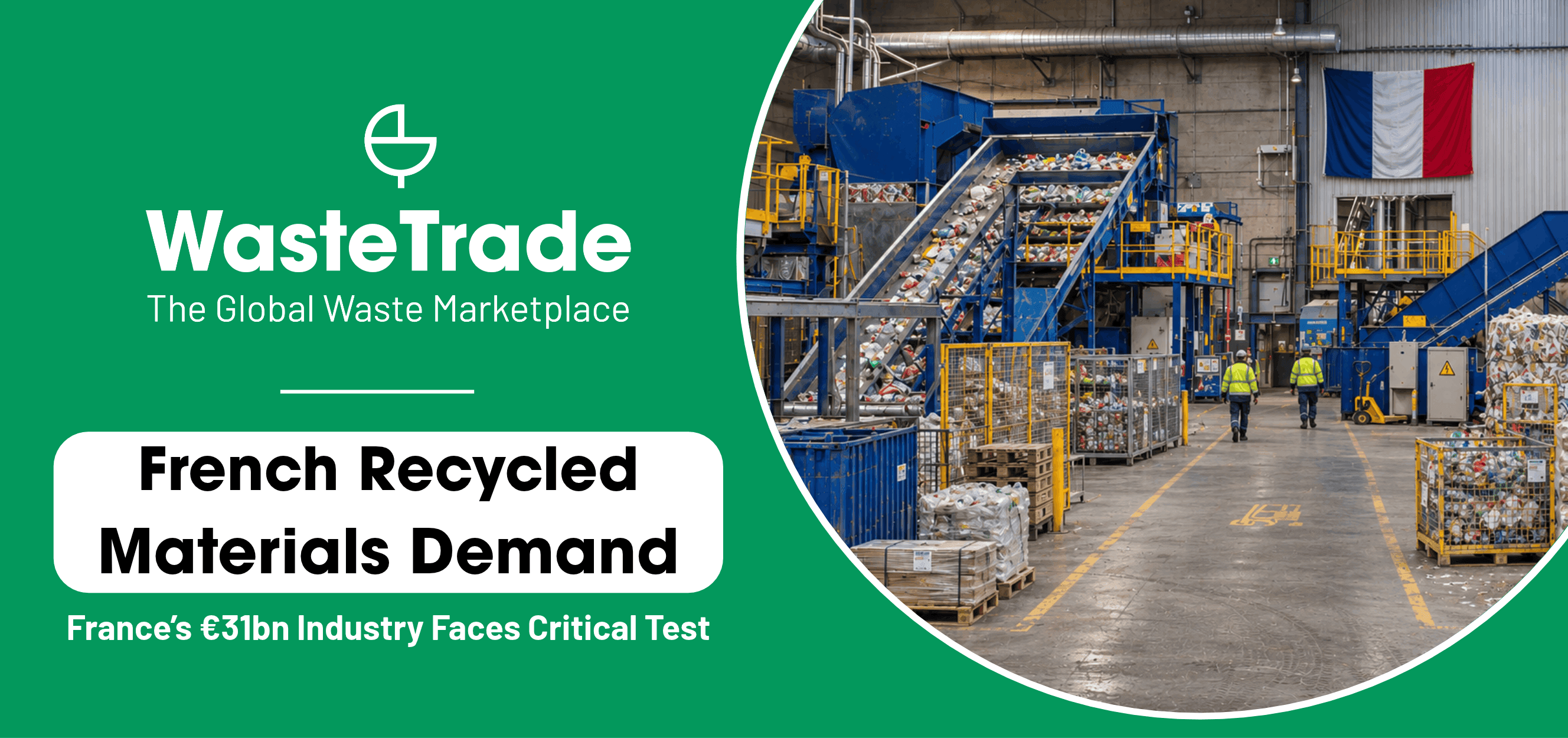
French recycled Materials Demand | France’s €31bn Industry Faces a Critical Test
French recycled materials demand is central to France’s €31bn waste strategy. What will its 2026–2029 agreement mean for manufacturers, recyclers and traders?
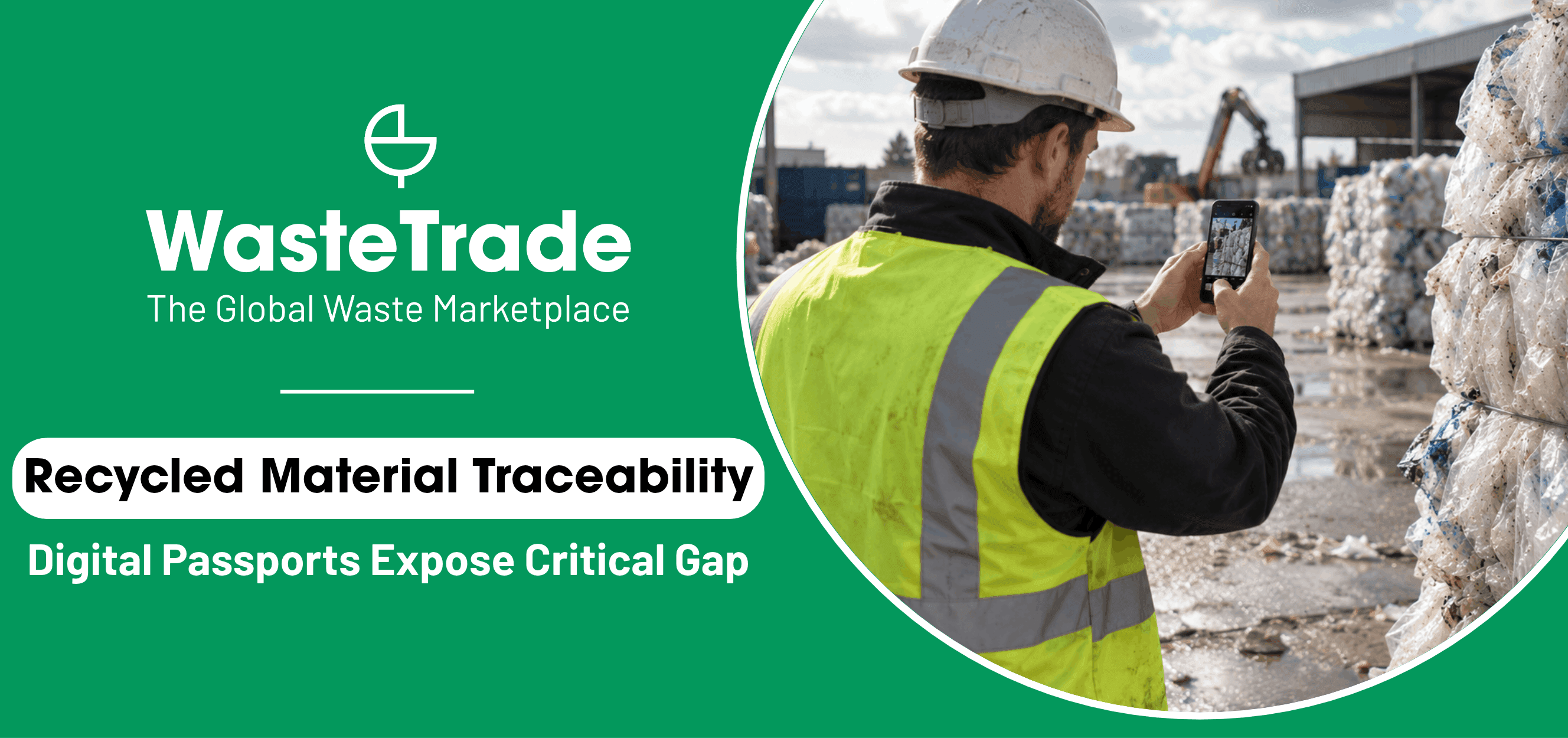
Recycled Material Traceability | Digital Passports Expose a Critical Gap
Recycled Material Traceability and how EU digital passports and UK policy are changing the evidence manufacturers need from recycled-material suppliers.

DIWASS Rollout Raises Commercial Concerns for Recyclers
DIWASS rollout raises commercial concerns as recycling businesses face shipment delays and prepare for EU digital waste shipment requirements in 2027.
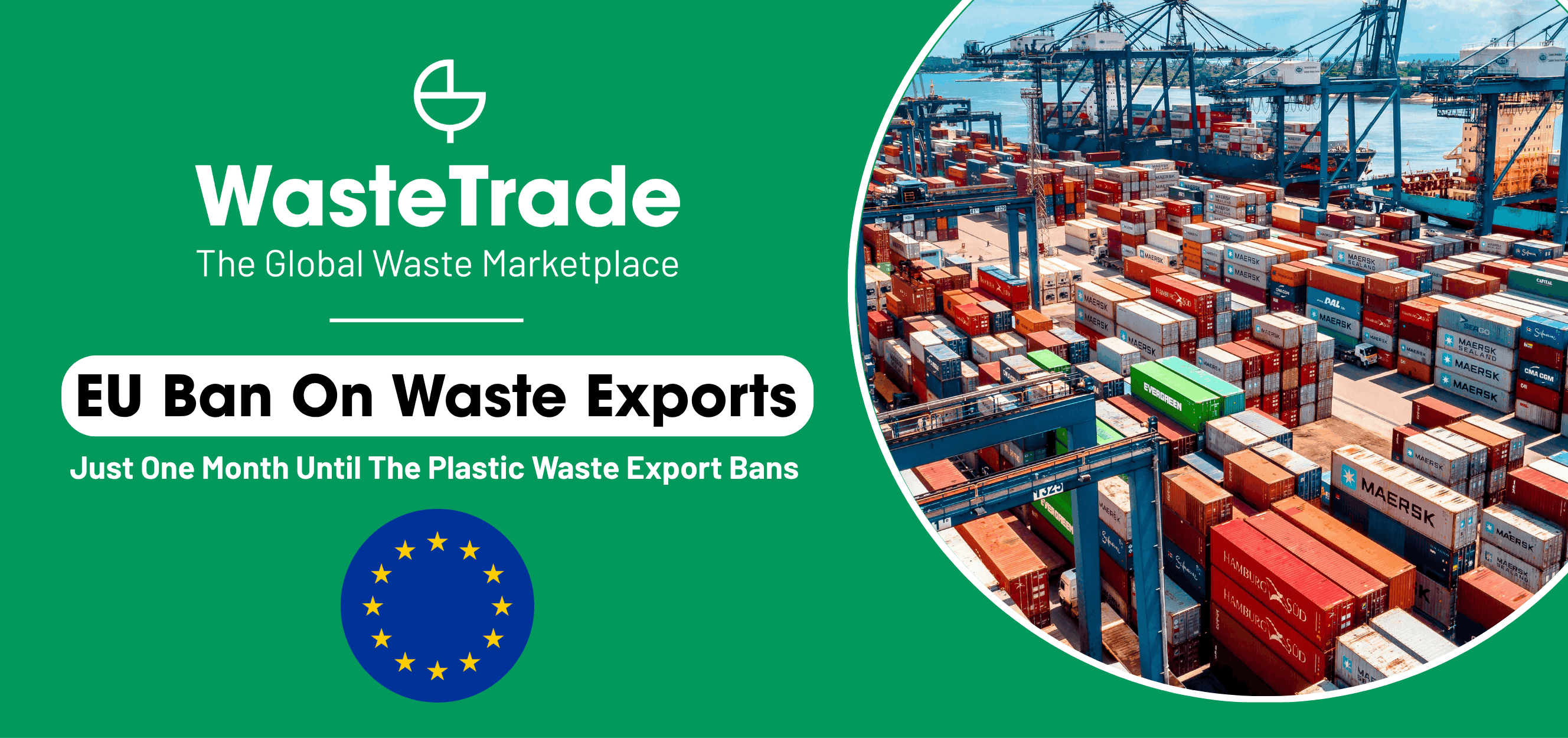
EU Ban on Plastic Waste Exports | 21 Nov 2026, Just One Month To Go
EU Ban on Plastic Waste Exports: one month to prepare. Learn what the November 2026 deadline means for buyers, sellers, recyclers and logistics firms.
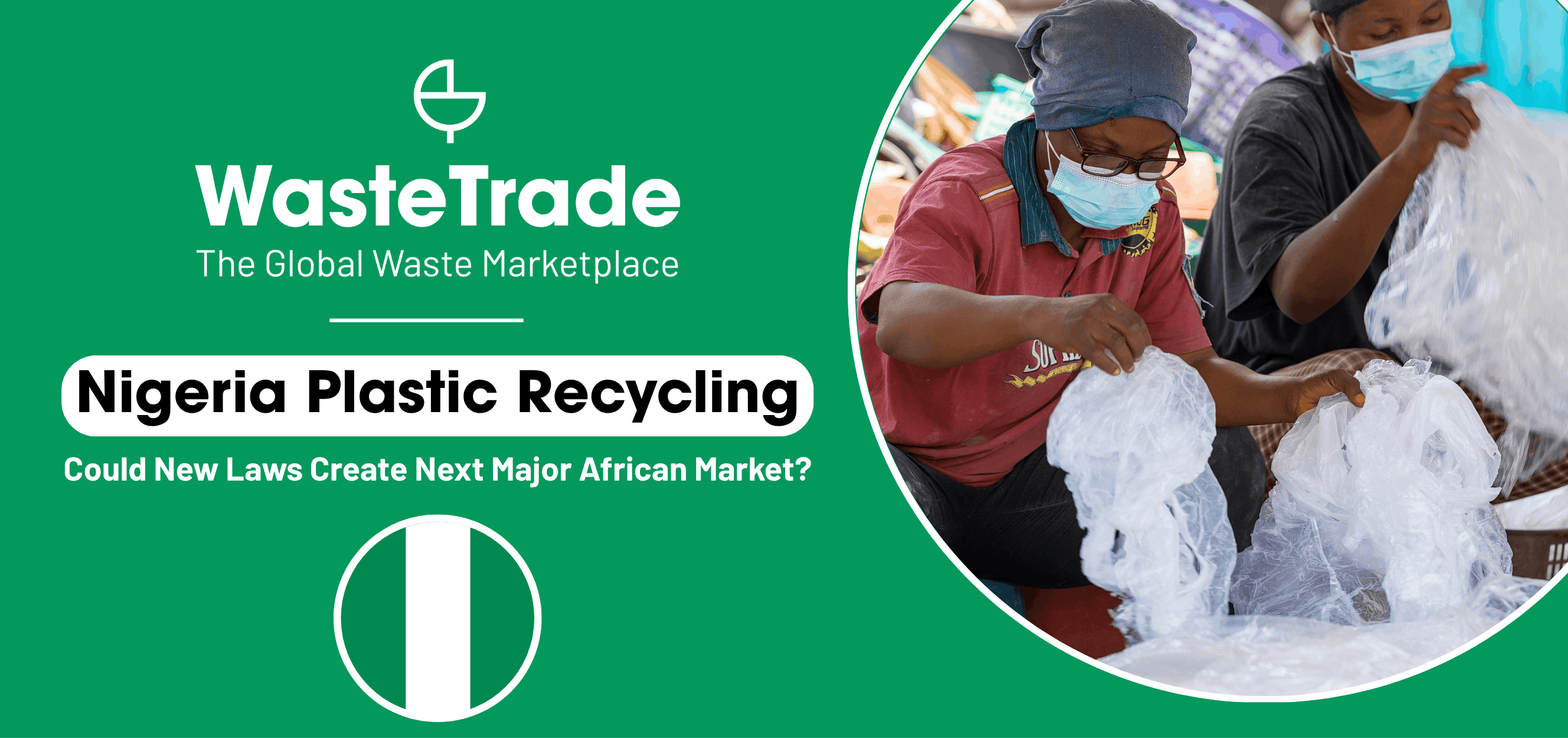
Nigeria Plastic Recycling Revolution | Could New Plastic Laws Create Africa’s Next Major Recycled Materials Market?
Nigeria Plastic Recycling could transform the market as new regulations, investment and growing demand create opportunities for recycled PET and recyclable materials.
Europe’s New Waste Shipment Rules | The Hidden Cost for Recyclers
EU waste shipment rules can affect delivery times, storage costs and recycling margins. Find out how recyclers can protect cross-border trade.
Digital Waste Tracking UK 2026 | The Critical October Deadline
Digital Waste Tracking UK 2026: what changes on 1 October, who must report, what records remain, and why accurate waste data now matters to operators.

Dubai Scrap Export Ban | The Critical October Test for Metal Markets
Dubai Scrap Export Ban: Explore the 2026 rules, affected aluminium, copper and steel scrap, India's exposure, UAE recycling and the 8 October outlook.
Australia’s Mandatory Recycled Content Retreat Puts Recycling at Risk
Mandatory recycled content rules in Australia have been delayed, raising fresh concerns over plastic recycling, costs, demand and industry investment.
US-Canada Plastic Tariffs Expose a Deeper Risk to Polymer Trade
US-Canada plastic tariffs are reshaping polymer trade, with growing risks for PE, PP, recycled plastics and North American supply chains and pricing.
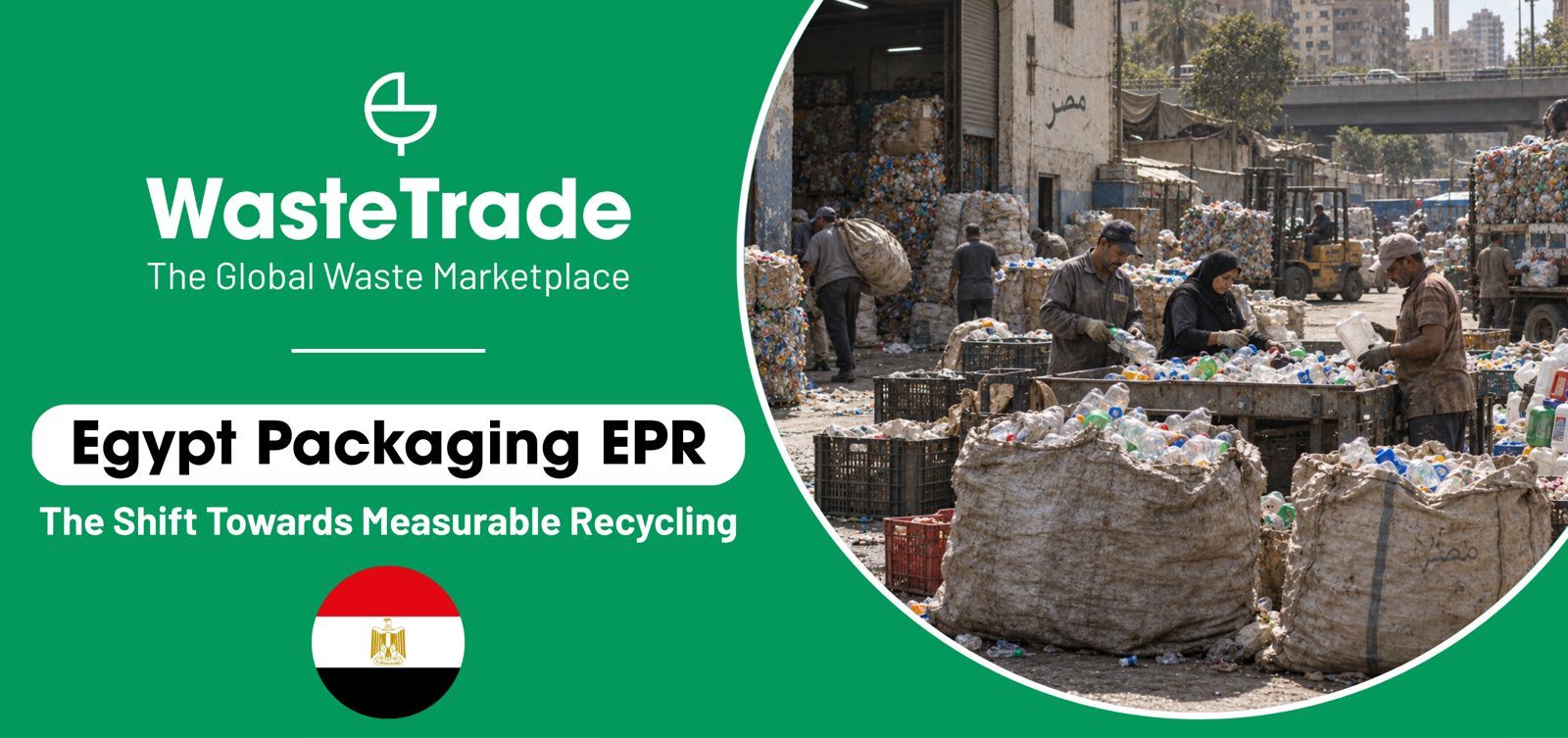
Egypt Packaging EPR 2026 | The Defining Shift Towards Measurable Recycling
Egypt Packaging EPR can reshape recycling through producer reporting, collection funding, better material quality, and stronger traceability in Egypt.
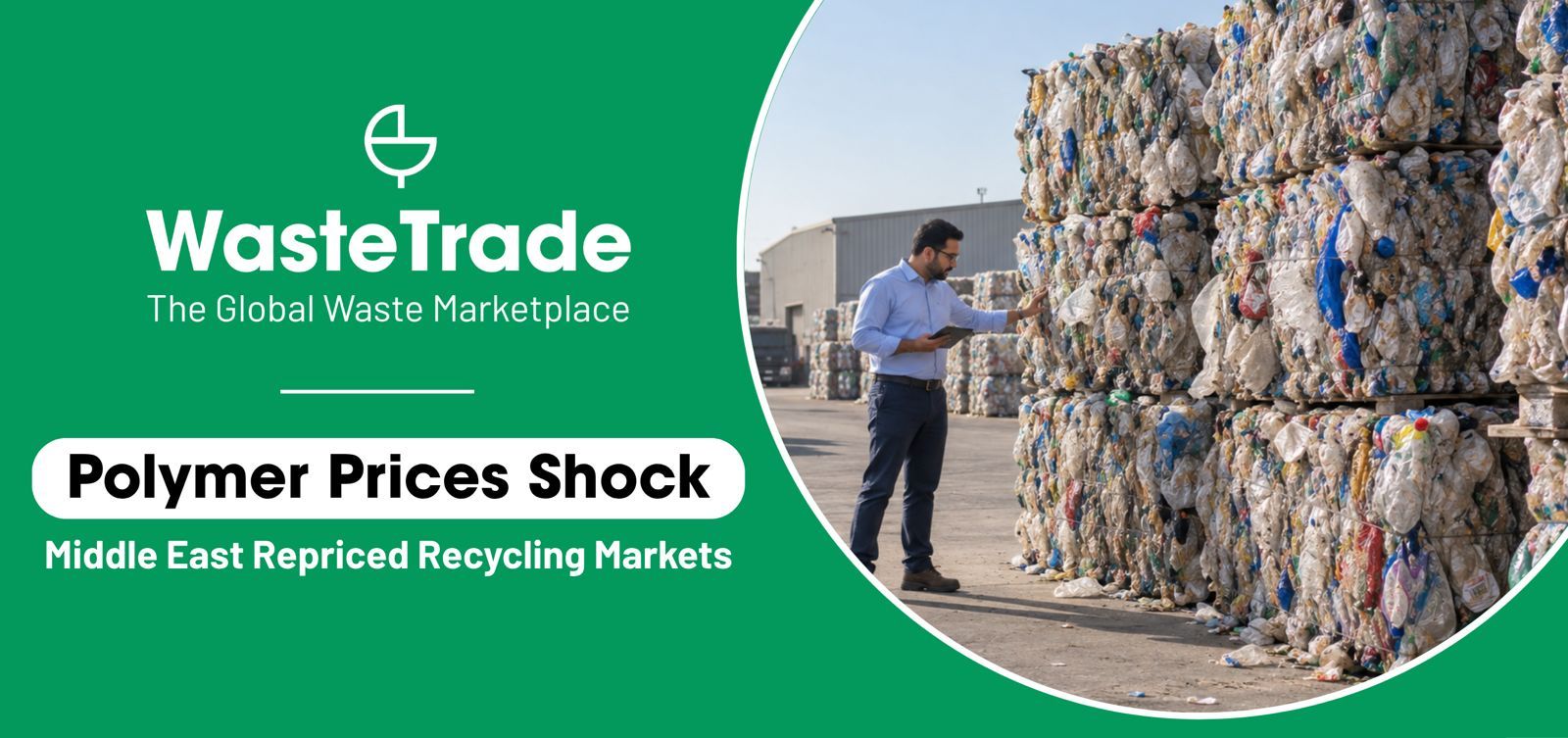
Polymer Prices Shock | The Middle East Repriced Recycled Markets
Polymer prices surged in 2026 as Middle East disruption reshaped virgin resin cost and strengthened demand for recycled polymer across global markets.


