In April 2025, businesses across England and Northern Ireland will face significant shifts in waste management practices, driven by increases in Landfill Tax and the introduction of the Simpler Recycling legislation. These measures are not merely administrative changes—they carry substantial financial and environmental consequences. For businesses heavily reliant on landfill disposal, the cost of inaction could be severe.
The Waste Crisis and the Need for Action
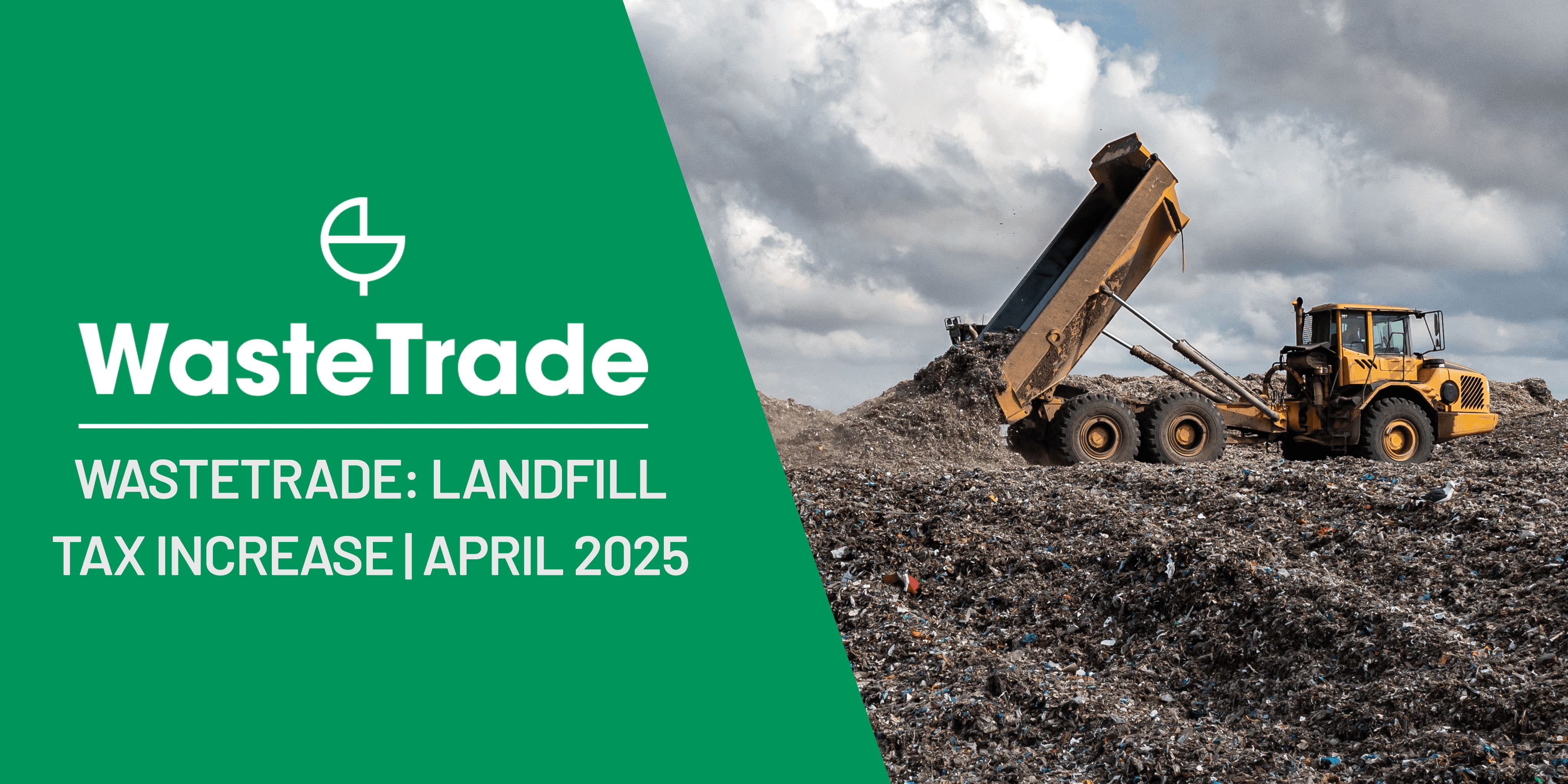
Landfill use remains a pressing environmental issue. In 2021, the amount of biodegradable municipal waste sent to landfill increased to 6.8 million tonnes from 6.1 million tonnes in 2020. This includes materials such as food waste, green waste, cardboard, and paper—all of which could have been recycled. The environmental consequences are profound: methane emissions from decomposing waste contribute to climate change, while valuable resources are lost when materials are discarded rather than repurposed.
Legislation such as the Landfill Tax and the forthcoming Simpler Recycling standards are essential tools in addressing these challenges. By making landfill disposal less economically viable and improving recycling practices, these measures encourage businesses to reduce their reliance on landfills and adopt more sustainable methods of waste disposal.
Key Legislative Changes in April 2025
From April 2025, the standard and lower rates of Landfill Tax will increase. For waste disposed of at authorised landfill sites, the rates will rise as follows:
- Standard rate: £126.15 per tonne (up from £103.70 per tonne in 2024)
- Lower rate: £4.05 per tonne (up from £3.30 per tonne in 2024)
These increases will also apply to waste disposed of at unauthorised sites, ensuring that tax incentives extend across the waste sector and close gaps that could otherwise undermine compliance.
The Simpler Recycling legislation, effective from March 2025, complements these tax changes by standardising recycling practices across the UK. Businesses will be required to separate food waste into designated bins for recycling and consolidate dry mixed recyclables, such as paper, cardboard, metals, and plastics, into a single stream. General waste bins will no longer accept food waste or mixed recyclables, reducing contamination and improving recycling rates.
The Risks of Inaction
For businesses unprepared to adapt to these changes, the financial impact could be stark. Increased Landfill Tax rates mean that reliance on landfill disposal will become significantly more expensive. Unauthorised disposal sites, often seen as a shortcut, will also face steep penalties under the standard tax rate. The cost of non-compliance is no longer just monetary but reputational, as public and regulatory scrutiny intensifies.
Food waste, a major contributor to landfill volumes, illustrates the urgency. The hospitality and food service sectors produce approximately 1.1 million tonnes of food waste annually in the UK. Without proper segregation and recycling, businesses in these sectors could see substantial cost increases under the new tax regime.
Turning Challenges into Opportunities
While the challenges are real, so too are the opportunities. These legislative changes offer businesses a chance to reduce costs, enhance operational efficiency, and demonstrate leadership in environmental stewardship. One effective strategy is to adopt the principles of the “5 Rs”: Refuse, Reduce, Reuse, Repurpose, and Recycle. This framework prioritises waste prevention and resource recovery over disposal.
Preparing for compliance with Simpler Recycling standards will also help businesses minimise exposure to increased landfill charges. By investing in clear waste segregation systems and training staff on proper disposal methods, businesses can ensure that recyclable materials are correctly processed and diverted from landfills.
Environmental and Economic Implications
The changes to Landfill Tax and recycling regulations are underpinned by the government’s commitment to achieving a circular economy. By disincentivising landfill use, these measures support resource recovery and reduce greenhouse gas emissions. For businesses, compliance offers the dual benefits of environmental contribution and financial efficiency.
While the tax increases may initially seem burdensome, they underscore the importance of reducing the weight and type of waste sent to landfill. Recycling food waste through anaerobic digestion not only reduces landfill dependency but also generates renewable energy and fertiliser, offering tangible environmental and economic benefits.
WasteTrade’s Perspective on the Changes
From WasteTrade’s vantage point, these legislative shifts are a pivotal moment for businesses to embrace sustainable waste management practices. As a digital marketplace connecting waste producers with recyclers and manufacturers, WasteTrade offers a platform that aligns seamlessly with the goals of the Landfill Tax and Simpler Recycling initiatives.
By enabling businesses to locate verified recyclers, WasteTrade facilitates the diversion of materials from landfill to productive reuse. Its tools—including carbon footprint tracking and compliance management—equip businesses with the resources they need to meet legislative requirements efficiently. For example, WasteTrade’s ability to match waste producers with specialised facilities ensures that recyclable materials are handled responsibly and reintroduced into the supply chain as valuable resources.
These changes underscore the importance of platforms like WasteTrade in simplifying the complexities of waste management. By fostering a culture of accountability and innovation, WasteTrade supports businesses in navigating these shifts while contributing to broader environmental objectives.
A Circular Future with Legislative Backing
The combined impact of Landfill Tax increases and Simpler Recycling legislation represents a significant step towards a circular economy. These measures reinforce the principle that waste is not merely a by-product of consumption but a potential resource. By adopting practices that align with these policies, businesses can position themselves as leaders in sustainability while reaping the economic benefits of efficient waste management.
Ultimately, the path forward requires a collective effort. Platforms like WasteTrade, with their emphasis on connecting waste producers to recycling opportunities, exemplify how innovation and collaboration can drive meaningful change. By preparing now for the 2025 legislative changes, businesses can avoid financial pitfalls and secure their place in a greener, more sustainable future.