Steel Recycling: Key Information
- Steel recycling turns commercial and industrial steel scrap into a tradable secondary material rather than a disposal cost.
- WasteTrade connects businesses selling scrap steel with verified buyers, recyclers and processors across a wider marketplace.
- Recyclable steel includes production offcuts, structural steel, cans, drums, sheet, machinery, packaging and mixed ferrous scrap.
- Material type, grade, quantity, cleanliness, preparation, location and transport requirements all influence buyer interest.
- Clear WasteTrade listings should include accurate weights, photographs, contamination details, loading information and whether supply is one-off or recurring.
- Steel is recyclable and can be separated, processed, melted and returned to steel production and manufacturing supply chains.
- Clean, well-separated scrap is generally easier for buyers to assess and place commercially than contaminated or poorly described loads.
- WasteTrade supports buying and selling steel scrap alongside logistics, compliance and secure trading.
Steel Recycling
Steel recycling is one of the most established and commercially valuable routes for recovering metal waste. For businesses producing steel scrap, it is not just an environmental responsibility. It is a practical way to turn waste material into a tradable commodity, reduce disposal costs and connect with buyers who are actively looking for recyclable steel.
WasteTradehelps businesses buy and sell steel scrap through a verified global marketplace. Whether you have a one-off load of scrap steel, an ongoing industrial waste stream, steel packaging waste, construction steel, steel cans, steel drums or mixed ferrous scrap, WasteTrade gives you a route to reach verified buyers, recyclers and processors without relying only on a single local outlet.
The steel recycling market depends on quality, volume, consistency and trust. Buyers want clear information before they commit. Sellers want fair interest, secure trading, reliable logistics and a proper commercial route for their material. WasteTrade brings those requirements together by supporting material listings, buyer enquiries, compliance, transport and secure transactions.
If your business has steel to recycle, sell or source, WasteTrade can help you move from waste handling to commercial steel recycling.
Scrap Steel Recycling
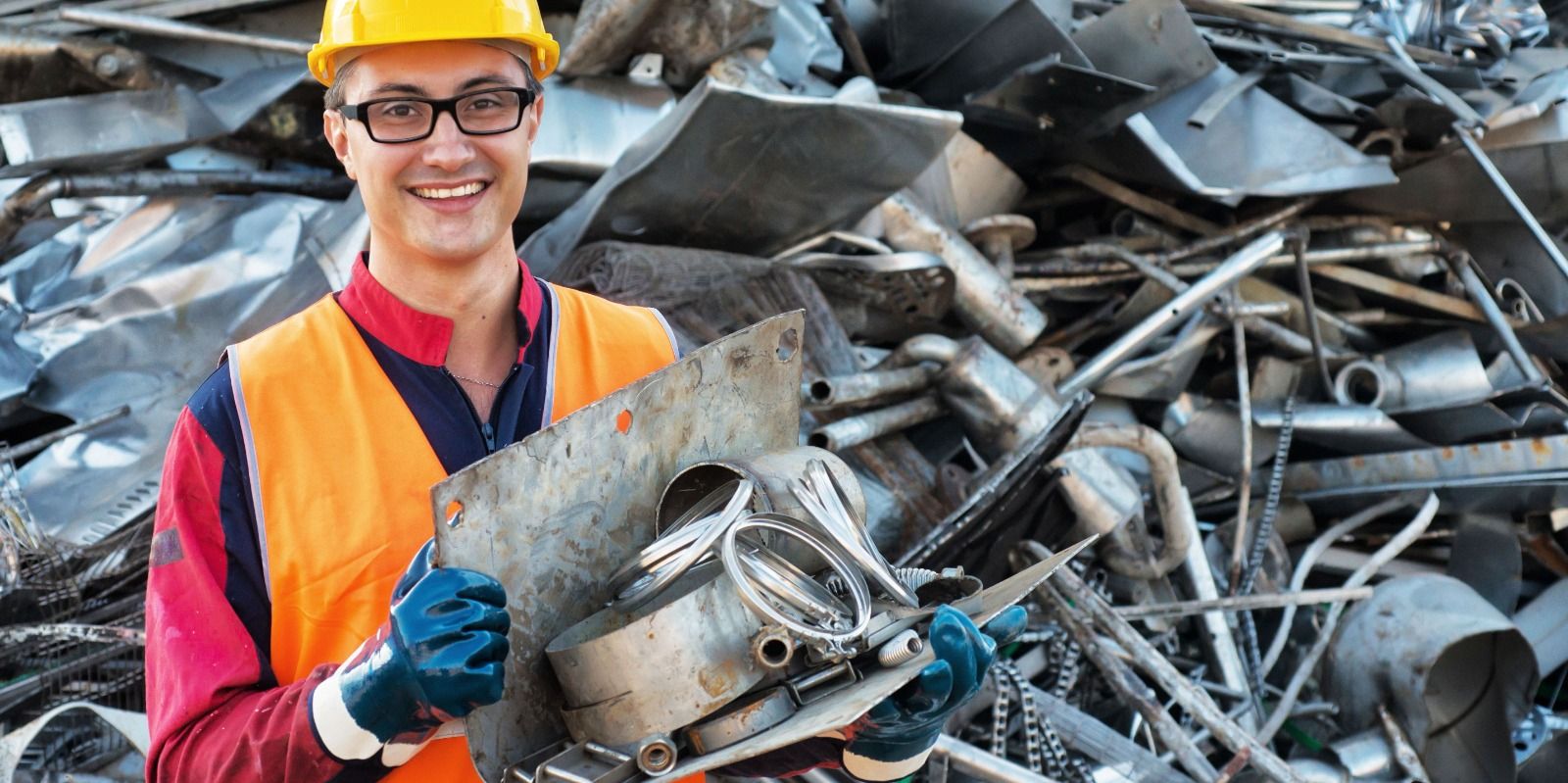
Scrap steel recycling covers the recovery and processing of steel waste from commercial, industrial, construction, packaging and manufacturing sources. It includes clean production offcuts, steel cans, steel drums, steel sheet, structural steel, mixed ferrous metal, machinery, old equipment, steel packaging and end-of-life steel products.
For many businesses, scrap steel is treated as a waste problem because it takes up space, needs collection and can be awkward to handle. Commercially, however, steel scrap can have value when it is properly described, separated and presented to the right market. The difference between low-value disposal and a stronger recycling outcome is often the route to market.
WasteTrade gives steel scrap sellers access to a wider network of verifiedbuyers and recyclers. Instead of phoning around for one local price or waiting for an unknown collector, businesses can list their steel scrap on WasteTrade with the key information buyers need: material type, quantity, location, availability, loading details, condition and photographs.
Scrap steel recycling through WasteTrade is particularly useful for businesses with regular volumes. A recurring supply of steel scrap can be more attractive to recyclers and buyers than occasional small loads, especially when the material is consistent and well prepared. Manufacturers, fabricators, packaging firms, waste management companies, construction contractors and scrap merchants can all use WasteTrade to put steel material in front of serious commercial buyers.
Recycle Scrap Steel
If you want to recycle scrap steel commercially, the first step is to understand what material you have and how it should be presented. Buyers do not just look for the word “steel”. They want to know the form, quantity, quality, contamination level and collection conditions.
A strong WasteTrade steel scrap listing should include:
• The type of steel scrap available
• Approximate weight or volume
• Whether the supply is one-off or ongoing
• The collection location
• Photographs of the material
• Any known contamination
• Whether the steel is loose, baled, bundled, cut, crushed or mixed
• Loading access and collection requirements
• Any relevant documentation
This matters because steel recycling prices and buyer interest depend heavily on the material being easy to assess. Clean, separated steel scrap is usually more commercially attractive than mixed material with plastics, rubber, wood, oil or other contaminants attached.
WasteTrade helps businesses recycle scrap steel by connecting available material with verified buyers and recyclers. The platform is designed for trading waste and recyclable commodities, so the commercial intent is built in from the start. Sellers can list steel scrap. Buyers can search for available material. WasteTrade can support the transaction, includinglogisticsand compliance where required.
For businesses, that means steel recycling becomes less about waste disposal and more about market access.
Recycle Steel
Steel can be recycled from a wide range of products and industrial waste streams. Common recyclable steel materials include cans, beams, pipes, panels, tanks, drums, packaging, frames, fabrication offcuts, machinery and construction waste.
The important point for businesses is that recyclable steel should not be hidden inside mixed waste if it can be separated and sold or processed properly. Steel is a widely traded recyclable material, and demand exists across recycling, manufacturing and steel production supply chains.
WasteTrade customers can use the platform to recycle steel in a way that is commercially clearer and more controlled. A seller can upload available steel material, describe the load, show the condition and reach buyers who understand the value of steel scrap. A buyer can use WasteTrade to source steel material from verified sellers rather than relying only on informal contacts or fragmented supply routes.
This is especially useful for businesses with steel waste that appears regularly. A manufacturer producing weekly steel offcuts, a packaging business handling steel containers, or a demolition contractor with structural steel can all benefit from treating the material as a commodity rather than a nuisance.
Recycling steel through WasteTrade gives businesses a more structured route: list the material, reach verified counterparties, agree the commercial terms, arrange logistics and complete the trade with greater confidence.
Steel Recycler
Asteel recyclercollects, sorts, prepares and processes steel scrap so it can return to the production chain. Depending on the material, this may involve separating ferrous metals, removing contaminants, cutting, shredding, baling, melting, refining and supplyingrecycled steelinto manufacturing or steelmaking markets.
For a business searching for a steel recycler, the commercial question is not only “who is nearby?” It is “who is the right buyer or processor for this material?”
The nearest recycler may not always offer the best route. The right outcome depends on the type of steel, the amount available, collection conditions, market demand, preparation costs, transport costs and whether the material fits the recycler’s requirements.
WasteTrade helps businesses find verified steel recyclers and buyers through one marketplace. That matters because recycling steel often involves trust and risk. Sellers need to know who they are dealing with. Buyers need confidence that the material is accurately described. Both sides need the transaction to be clear, documented and commercially workable.
By listing steel scrap on WasteTrade, sellers can put material in front of buyers beyond their immediate local network. For recyclers, WasteTrade provides visibility of available steel scrap from businesses that are actively looking for a commercial recycling route.
Steel Metal Recycling
Steel metal recycling sits within the wider metals recycling market, but it has its own commercial characteristics.Steel is a ferrous metal, meaning it contains iron. It is usually magnetic, widely used and found in huge quantities across construction, manufacturing, transport, packaging and industrial equipment.
Because steel appears in so many sectors, many businesses generate steel waste without thinking of themselves as part of the metals recycling market. A factory with steel offcuts, a warehouse with damaged steel packaging, a construction company with structural scrap or a packaging company handling used steel containers may all have recyclable material with commercial potential.
Steel metal recycling through WasteTrade gives these businesses a more direct route to market. Instead of treating steel as general waste, they can present it to buyers and recyclers as a defined material stream.
This is also useful for businesses that want to buy steel scrap or source recycled steel inputs. WasteTrade is not only for sellers. Buyers can use the marketplace to find available recycled and recyclable materials, assess supply opportunities and connect with verified sellers.
For companies working across metals, plastics, rubber and other recyclable commodities, WasteTrade also provides a broader trading environment. That means steel recycling can sit alongside other material recovery activity, making it easier for businesses to manage multiple recyclable waste streams through one marketplace.
Recycling Steel Scrap
Recycling steel scrap well starts before the material reaches a processor. Preparation, separation and description can all affect the commercial outcome.
The strongest steel scrap listings are usually clear, honest and specific. Buyers do not need polished sales language. They need useful information. What is the material? How much is available? Where is it? Is it clean? Is it mixed? Can it be loaded easily? Is it available now or on an ongoing basis?
Several factors can affect the success of recycling steel scrap:
• Grade and composition
• Quantity available
• Whether the supply is regular or one-off
• Contamination from non-metal materials
• Separation from non-ferrous metals
• Location and transport distance
• Loading access
• Current market demand
• Whether the steel is loose, baled, shredded or cut
• Buyer or recycler requirements
WasteTrade helps sellers put this information into a commercial setting. A clear WasteTrade listing makes it easier for buyers to judge the material and respond. That reduces wasted time and improves the chance of matching the steel scrap with the right recycling route.
For businesses with recurring steel waste, this can be especially important. A regular material stream may become a reliable supply opportunity for buyers, rather than an occasional disposal issue for the seller.
Can Steel Be Recycled?
Yes, steel can be recycled. It is one of the most recyclable materials in commercial use and can be recovered from many waste streams, including packaging, construction waste, vehicles, appliances, machinery and manufacturing scrap.
Steel can be melted and made into new steel products. Its magnetic properties also make it easier to separate from mixed waste streams than many other materials. This is one reasonsteel recyclingis so widely established across the world.
For businesses, the more important question is not simply “can steel be recycled?” It is “how can this steel be recycled in the most commercially sensible way?”
That is where WasteTrade comes in. If your business has recyclable steel, WasteTrade helps you present it to verified buyers and recyclers. If you are looking for steel scrap or recycled steel material, WasteTrade helps you find available supply from verified sellers.
The value is in the connection. Steel may be recyclable, but it still needs the right commercial route.
Is Steel Recyclable?
Steel is recyclable because it can be separated, melted, refined and reused in new steel production. It does not need to be treated as a single-use material. Once recovered, steel scrap can return to the production chain and be used in construction materials, vehicles, appliances, packaging, machinery and other steel products.
In practical terms, steel recycling works best when material is properly separated from other waste. Clean steel scrap is easier to handle, easier to price and easier to place with a recycler or buyer.
Different types of steel may need different handling. Mild steel,stainless steel, coated steel, steel cans, steel drums and mixed ferrous scrap can all have different commercial considerations. Some may need separation. Some may need cleaning. Some may need specialist processing.
WasteTrade helps businesses make this easier by giving sellers a place to describe their steel material clearly and reach buyers who are looking for recyclable steel. The better the material is presented, the easier it is for the market to respond.
How Is Steel Recycled?
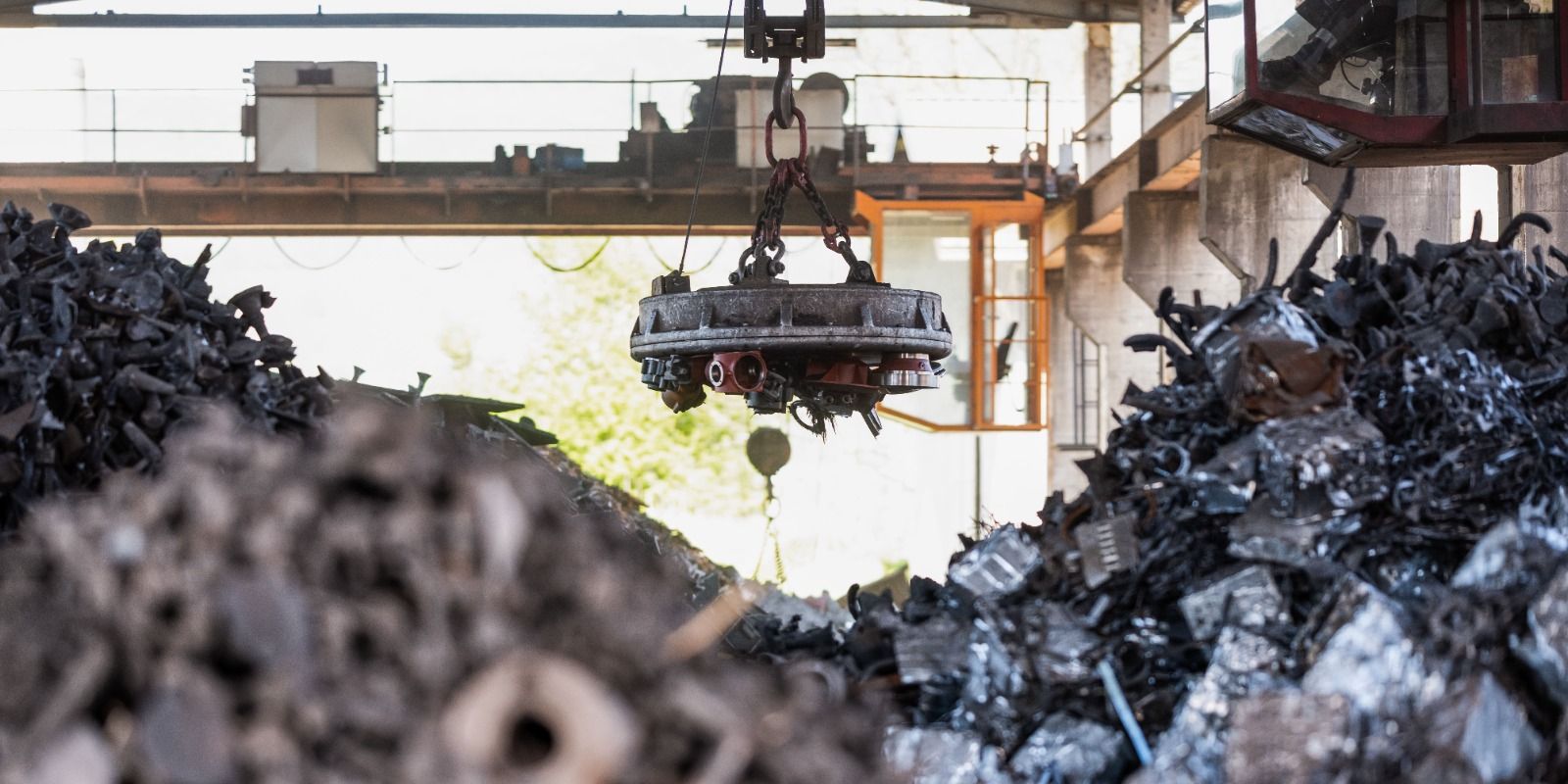
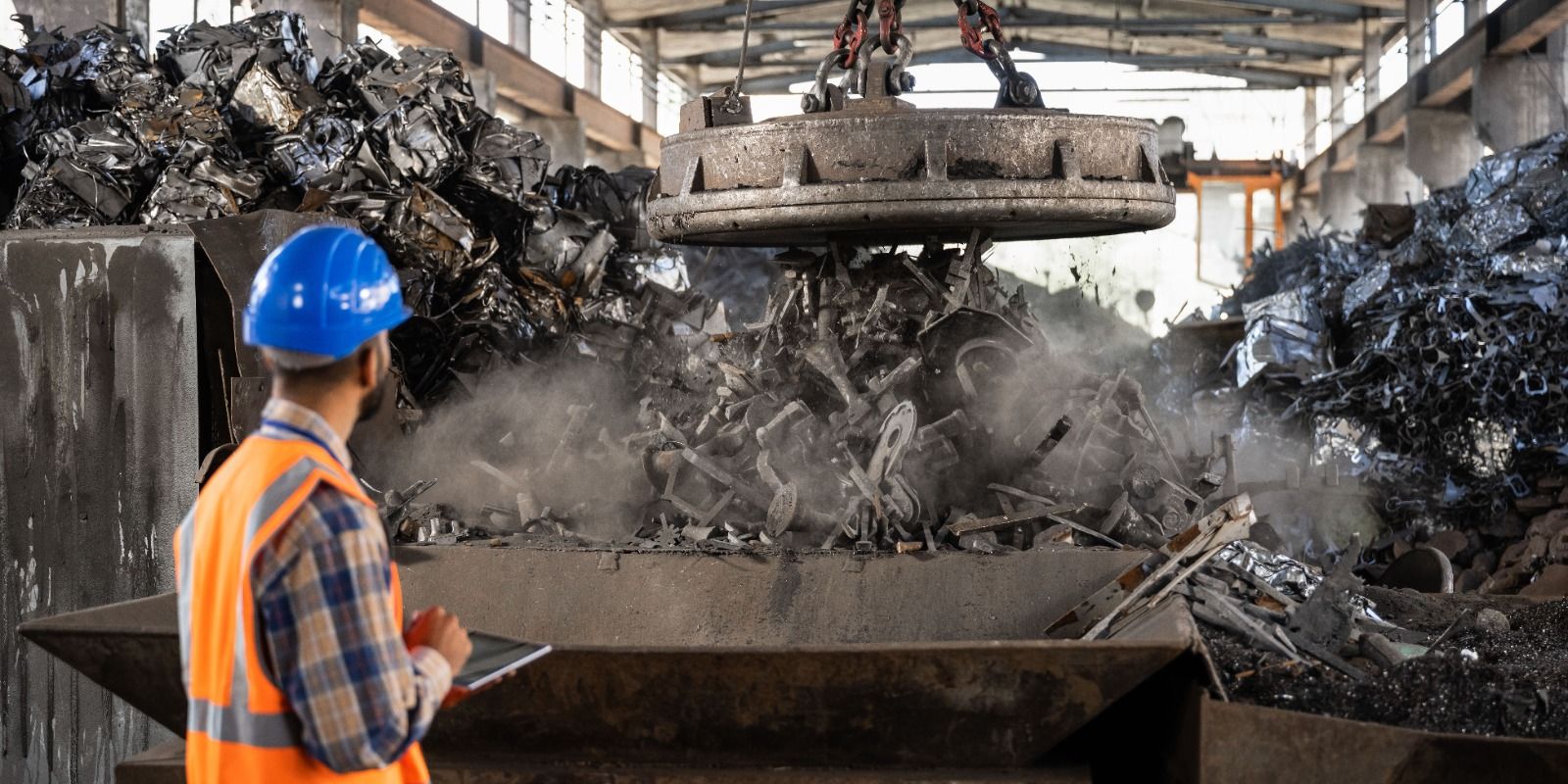
Steel recycling usually starts with collection. Steel scrap is gathered from businesses, construction sites, manufacturers, households, waste facilities, packaging streams or industrial operations. It is then sorted from other materials, often using magnetic separation because steel is generally ferrous.
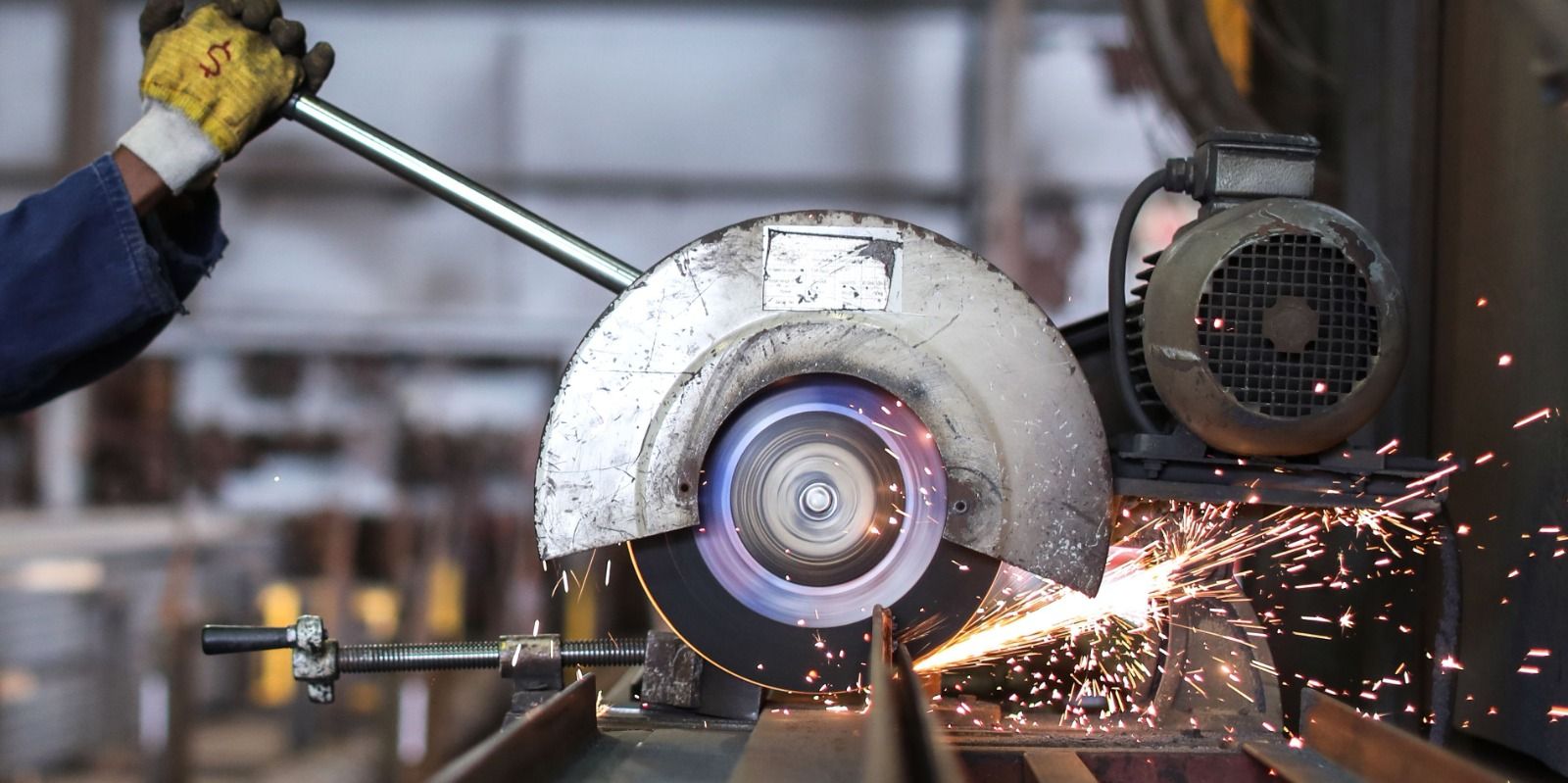
After sorting, the material may be cleaned or prepared. Non-metal attachments may be removed. Larger items may be cut down. Loose scrap may be baled. Some material may be shredded to make it easier to handle and melt.
The steel is then melted in a furnace and refined to meet the required specification. Once processed, it can be cast or formed into new steel products.
The basic steel recycling process is simple to understand, but commercial steel recycling depends on the quality of the material entering that process. A clean, sorted load of steel scrap is not the same as a mixed skip containing steel, plastic, rubber, wood and general waste.Buyers and recyclers pricerisk, handling and contamination into their decisions.
That is why WasteTrade listings should be practical and detailed. If the material is clean, say so. If it is mixed, say so. If it is baled, cut, loose or attached to other materials, include that information. Serious buyers will value accuracy more than vague claims.
Steel Recycling Process
For a business using WasteTrade, the steel recycling process is commercial as well as technical.
First, identify the steel material you have. This might be scrap steel from production, steel cans, steel drums, structural steel, sheet steel, mixed ferrous scrap or old equipment.
Second, prepare the material where possible. Separate steel from othermetalsand remove obvious non-metal contaminants if it is practical and cost-effective to do so.
Third, gather the details needed for a strong listing. This should include quantity, location, availability, condition, photographs, loading access and whether the supply is recurring.
Fourth, list the steel scrap on WasteTrade. The listing gives buyers and recyclers the information they need to assess the opportunity.
Fifth, review buyer interest and agree the commercial route. WasteTrade helps create a safer trading environment by connecting businesses with verified counterparties.
Finally, arrange the logistics and complete the transaction. WasteTrade can support the movement of material, compliance requirements and secure trading, helping businesses avoid the uncertainty that often comes with unknown contacts and informal waste routes.
This is what makes WasteTrade useful for steel recycling. The platform does not just explain that steel can be recycled. It gives businesses a practical way to buy, sell and move recyclable steel.
Benefits of Recycling Steel
Thebenefits of recycling steelare commercial, operational and environmental.
For sellers, steel recycling can reduce disposal costs and create a route to recover value from waste material. Steel scrap that would otherwise take up space or require paid removal may have interest from recyclers, processors or buyers.
For buyers, recycled steel and steel scrap can provide access to valuable secondary raw material. This matters in markets where supply, cost and sustainability are all under pressure.
For businesses with sustainability targets, recycling steel also supports circular economy reporting and reduces reliance on virgin raw materials. Steel scrap used in production can reduce demand for iron ore, coal and limestone, while keeping useful material out of landfill.
The commercial benefit is often the strongest driver. A business may care about sustainability, but it still needs the recycling route to make financial and operational sense. WasteTrade is built around that reality. The platform helps turn recyclable material into a marketable commodity by connecting sellers with verified buyers, supporting logistics and making the transaction clearer.
Recycling steel is not just about doing the right thing. Done properly, it can improve waste management, support procurement goals, strengthen supply chains and create better commercial outcomes from material that might otherwise be undervalued.
Steel Recycling Near Me
Many businesses search for steel recycling near me because they want a quick local option for scrap steel. Local access can be useful, especially for small loads or urgent collections, but the nearest option is not always the strongest commercial route.
The best steel recycling route depends on several factors: material type, quantity, cleanliness, loading access, transport cost, buyer demand and whether the material is available once or on an ongoing basis. For larger volumes, recurring supply or higher-quality scrap, it can be worth reaching beyond the nearest recycler to find a more suitable buyer.
WasteTrade helps businesses move beyond a narrow local search. Bylisting steel scrap on WasteTrade, sellers can reach verified buyers and recyclers across a wider marketplace. That can be especially valuable for companies with regular steel scrap, bulk material, exportable loads or material that needs a specific type of processor.
For buyers, WasteTrade also provides a way to find steel recycling opportunities and available scrap supply from verified sellers. Instead of waiting for material to appear through informal networks, buyers can search for listed material and make direct commercial enquiries.
If you are looking for steel recycling near you, WasteTrade gives you a broader, more commercially focused option. You can list steel scrap, source recyclable steel, connect with verified counterparties and arrange the movement of material through a platform built for waste and recycling trade.
Steel recycling works best when material, market and logistics come together. WasteTrade helps make that connection.
常见问题解答
What types of steel can be recycled through WasteTrade?
Businesses can list many types of recyclable steel on WasteTrade, including production offcuts,steel cans, steel drums, structural steel, sheet steel, mixed ferrous scrap, machinery and end-of-life equipment. The stronger the material description, the easier it is for verified buyers and recyclers to assess the opportunity.
Can I sell scrap steel on WasteTrade?
Yes. WasteTrade is built for businesses that want to buy and sell recyclable commodities, including scrap steel. Sellers can list steel material with details such as quantity, location, condition, photographs, loading access and whether the supply is one-off or recurring.
Who buys scrap steel on WasteTrade?
Scrap steel buyers on WasteTrade may include recyclers, processors, merchants, manufacturers and other businesses looking for recyclable metal supply. The platform helps sellers reach verified counterparties rather than relying only on one local outlet or informal contact.
How should I prepare steel scrap before listing it?
Steel scrap should be separated from general waste where practical, with obvious non-metal contamination removed if it is cost-effective to do so. Buyers will usually respond more confidently when the material is clean, clearly photographed and described accurately.
Does steel need to be clean before it can be recycled?
Steel does not always need to be perfectly clean to be recycled, but cleanliness affects buyer interest, handling cost and the likely commercial route. Mixed or contaminated steel can still have value, but it should be described honestly in the WasteTrade listing.
Is steel recycling better for one-off loads or regular supply?
Both can work, but regular steel scrap supply is often more commercially attractive because buyers can plan collection, processing and onward sales. If your business produces recurring steel waste, that should be made clear on WasteTrade.
Can WasteTrade help me find a steel recycler?
Yes. WasteTrade helps businesses connect with verified steel recyclers and buyers through one marketplace. This can be more effective than searching only for the nearestrecycler, especially when grade, quantity, logistics and buyer demand matter.
Can buyers source recycled steel material on WasteTrade?
Yes. WasteTrade is useful for buyers as well as sellers. Buyers can search for listed steel scrap and recyclable steel material from verified sellers, then assess whether the material fits their specification, location and volume requirements.
What information do buyers need for steel recycling?
Buyers usually need the type of steel, estimated weight or volume, location, condition, contamination level, photographs and loading details. If the material is available regularly, that should also be included because it can strengthen the commercial opportunity.
Why use WasteTrade instead of a local scrap route?
A local route may be convenient, but it may not always be the best commercial route. WasteTrade gives sellers access to a wider verified marketplace, which can help steel scrap reach buyers who are better suited to the material.


