Recycled Steel: Key Information
- Recycled steel is produced using recovered steel scrap as feedstock and is widely used across industrial supply chains.
- WasteTrade connects businesses selling recyclable steel with buyers, recyclers, processors and organisations sourcing recycled steel-related materials.
- Recycled steel is used in construction, infrastructure, automotive manufacturing, machinery, appliances, packaging and industrial equipment.
- Buyers should assess material type, grade, specification, quantity, location, cleanliness, supply frequency, documentation and transport requirements.
- WasteTrade helps businesses find recycled steel suppliers and recurring material streams through a verified marketplace.
- Recycled steel content refers to the proportion of recycled material used in a product or production process and should be supported by appropriate supplier information where required.
- Recycled steel can reduce reliance on virgin raw materials but must still meet the buyer’s required quality and technical specifications.
- WasteTrade helps buyers source material and sellers turn steel scrap into commercial supply.
Recycled Steel
Recycled steel is steel made using recovered steel scrap as a feedstock. It is one of the most important materials in the circular economy because steel can be collected, processed and returned to productive use across construction, manufacturing, packaging, infrastructure, transport and industrial supply chains.
For businesses, recycled steel is not only an environmental topic. It is a sourcing, procurement and trading issue. Buyers want reliable recycled steel material. Sellers want a route for steel scrap that can feed recycled steel production. Recyclers and processors need consistent supply. Manufacturers need confidence around quality, volume, documentation and delivery.
WasteTradehelps bring those needs together. Through WasteTrade, businesses can buy and sell steel scrap, source recycled steel-related material, connect with verified counterparties and build a more structured route into recycled metal supply chains. Sellers can list available material. Buyers can search for supply. WasteTrade customers can trade through a marketplace built around verified waste and recyclable commodities.
The commercial value of recycled steel depends on more than the material itself. Grade, specification, volume, location, availability, processing route, recycled content requirements and buyer confidence all matter. A business searching for recycled steel needs more than a general explanation. It needs access to the right suppliers, the right material and the right trading route.
WasteTrade gives buyers and sellers a practical way to move recycled steel from interest to transaction.
Recycled Steel Material
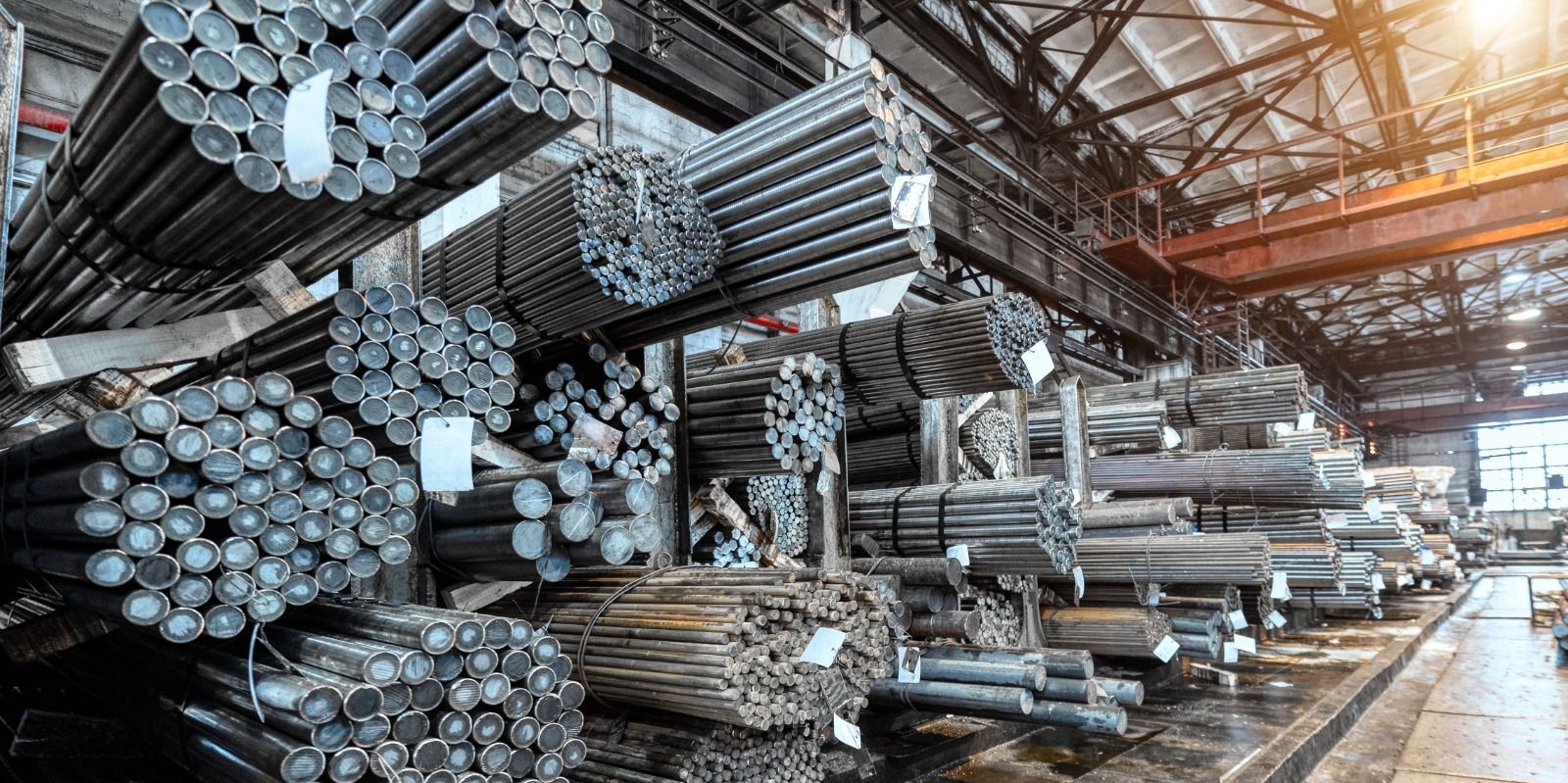
Recycled steel material begins with recovered steel scrap. That scrap may come from demolition, manufacturing, fabrication, vehicles, machinery, appliances, packaging, steel cans, drums, pipework, structural steel or industrial equipment. Once collected and processed, it can be used as feedstock for new steel production or traded as prepared scrap material.
For buyers, recycled steel material has to meet a commercial requirement. It is not enough for a material to be described as recycled. Buyers need to know what it is, where it is, how much is available, whether it is clean, whether the grade is known and whether the supply can be repeated.
For sellers, recycled steel material should be presented clearly. A WasteTrade listing should include practical information such as material type, quantity, location, form, condition, photographs, loading access and whether the supply is one-off or ongoing.
This is where WasteTrade has a clear commercial role. The platform helps turn available steel scrap into a visible material opportunity. Instead of leaving recyclable steel buried inside local waste routes, sellers can present it to verified buyers who are actively looking forrecyclable metal commodities.
For buyers, WasteTrade helps make recycled steel sourcing more direct. It gives businesses access to listed material from verified sellers, with the information needed to start a serious commercial enquiry.
Recycled Steel Suppliers
Recycled steel suppliers are important to any business trying to buy recycled steel, steel scrap or recycled metal feedstock. The strongest suppliers are not just the ones with material available today. They are the ones that can provide reliable information, consistent supply, clear specifications and commercially workablelogistics.
Buyers looking for recycled steel suppliers should consider:
• Material type and grade
• Quantity available
• Supply frequency
• Cleanliness and contamination
• Location
• Loading and transport requirements
• Documentation
• Seller verification
• Ability to support repeat supply
• Commercial responsiveness
WasteTrade helps buyers find recycled steel suppliers througha verified marketplace. Instead of depending only on existing contacts, buyers can search for available material and connect with sellers who have listed steel scrap or related recyclable metal streams.
This is useful formetal recyclers, processors, merchants, manufacturers and procurement teams. If a buyer needs steel scrap supply, WasteTrade gives them a route to find available material from verified sellers. If a seller produces steel waste regularly, WasteTrade gives them access to buyers who may value that supply.
Good recycled steel suppliers reduce uncertainty. They provide clear information, realistic quantities and reliable trading conditions. WasteTrade supports that by encouraging structured listings and verified counterparties, which helps both buyers and sellers move faster.
For businesses buying recycled steel, supplier quality matters as much as price.
Buy Recycled Steel
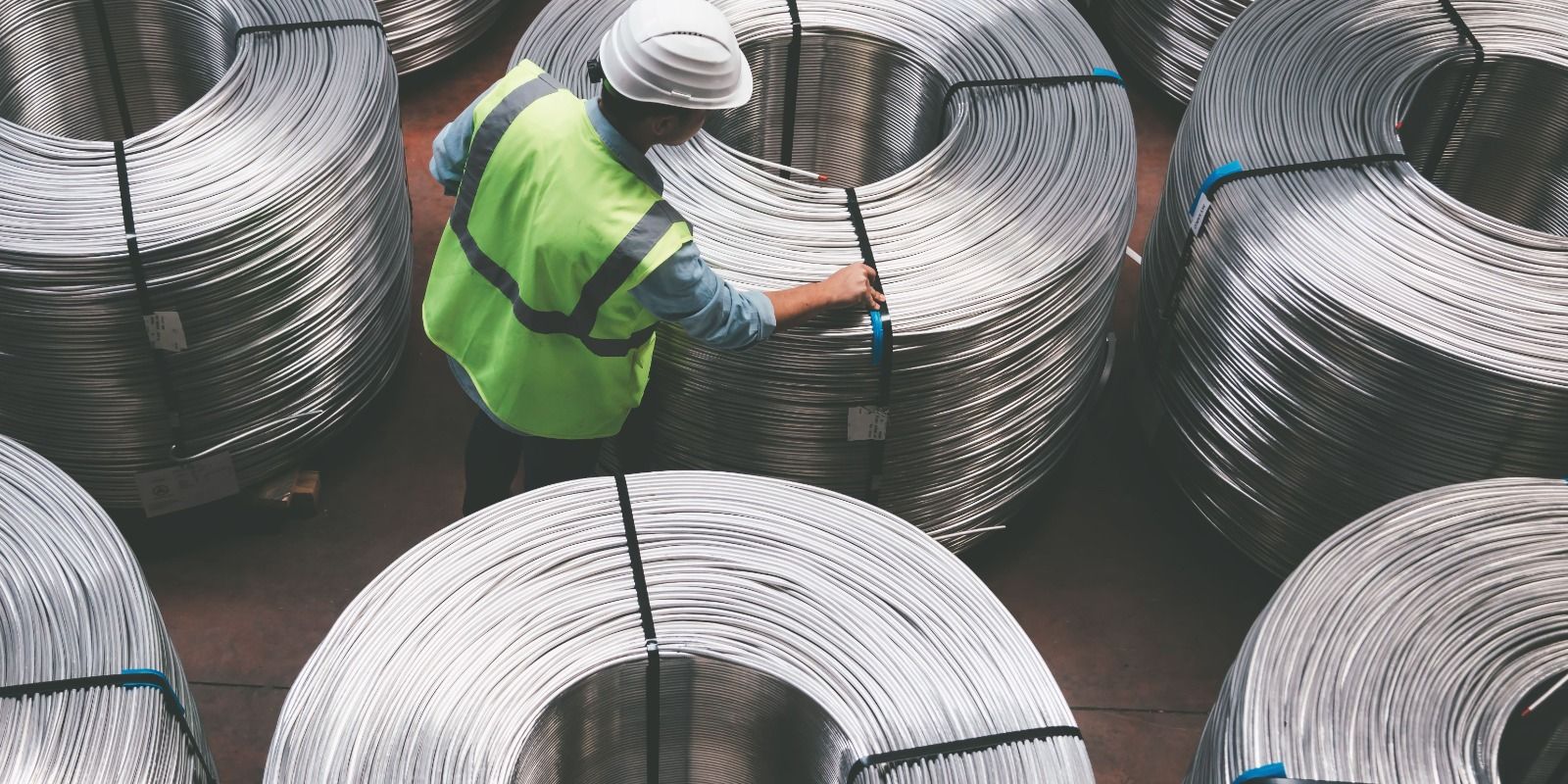
Businesses looking to buy recycled steel or steel scrap need more than a search result. They need material that matches their requirements, a seller they can trust and a trade that works commercially.
WasteTrade helps buyers source recycled steel-related material through a marketplace designed for waste and recyclable commodities. Buyers can search available listings, review material details and connect with verified sellers. Sellers can list steel scrap and make it visible to companies looking for recyclable metal supply.
Before buying recycled steel, businesses should be clear on:
• Required material type
• Grade or specification
• Quantity
• Location
• Delivery or collection requirements
• One-off or recurring demand
• Accepted contamination level
• Documentation needs
• Target price or commercial range
This information helps avoid wasted conversations. A buyer asking for “recycled steel” may receive unsuitable offers if the requirement is too broad. A buyer asking for a defined grade, quantity, location and supply frequency is much more likely to find the right match.
WasteTrade is particularly useful for buyers that need commercial visibility across different markets. A local supplier may be suitable for some needs, but larger volumes, recurring supply or specific material streams may require a wider network.
Buying recycled steel through WasteTrade means sourcing through a verified trading environment, not an informal chain of unknown contacts. That matters when quality, reliability, compliance and logistics all affect the final commercial outcome.
Sourcing Recycled Steel
Sourcing recycled steel is a supply chain task. It involves finding the right material, confirming it is suitable, agreeing commercial terms and arranging movement.Pricematters, but price alone is not enough.
The best way to source recycled steel is to define the requirement properly before approaching suppliers. Buyers should know the material type, grade, volume, location, delivery terms, acceptable condition and documentation requirements. This gives sellers a clear basis for responding.
WasteTrade helps with the sourcing process by bringing buyers and sellers into one marketplace. A buyer can search for steel scrap or recycled steel-related material. A seller can list available material with the details buyers need. WasteTrade can support the wider transaction, including logistics and compliance where required.
Sourcing recycled steel through WasteTrade can help businesses:
• Find verified sellers
• Access listed steel scrap supply
• Compare material opportunities
• Identify recurring supply streams
• Reduce reliance on informal contacts
• Improve visibility across locations
• Support more structured procurement
• Connect sourcing with logistics and documentation
For sellers, sourcing demand is equally important. A business with steel scrap available needs buyers who are looking for that material. WasteTrade helps make that supply visible to the market.
Recycled steel sourcing works best when both sides are specific. Buyers should state what they need. Sellers should describe what they have. WasteTrade provides the commercial setting for those conversations to happen.
Recycled Steel Products
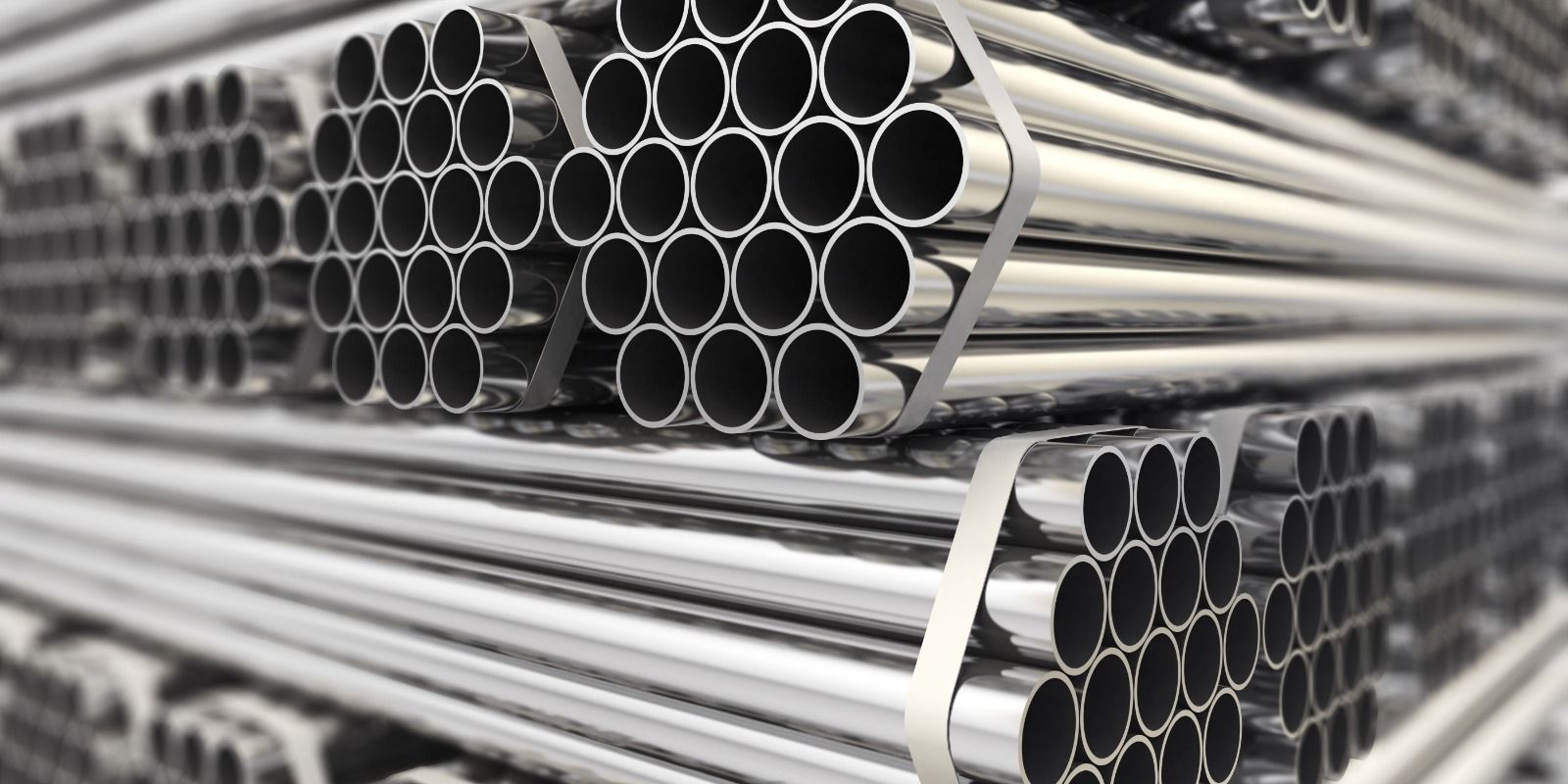
Recycled steel can be used in a wide range of products because steel scrap can return to steelmaking and manufacturing supply chains. Recycled steel products may appear in construction, automotive manufacturing, packaging, appliances, machinery, infrastructure, engineering and industrial equipment.
Common applications include:
• Beams and structural steel
• Sheet steel
• Automotive parts
• Machinery components
• Appliances
• Steel packaging
• Pipes and fittings
• Construction products
• Industrial equipment
• Infrastructure materials
• Specialisedstainless steel products
For commercial buyers, the key question is not only where recycled steel can be used. It is whether the available material or product meets the required specification, volume and supply conditions.
WasteTrade supports the upstream side of that supply chain by helping recyclable steel material find buyers. Steel scrap listed on WasteTrade can become part of the wider recycled steel market when it is collected, processed and returned to productive use.
For businesses selling steel scrap, this matters because their material may have a role beyond disposal. For businesses buying recycled steel, it reinforces the importance of verified supply and clear material information.
Recycled steel products depend on reliable feedstock. WasteTrade helps connect that feedstock with the buyers and recyclers that need it.
Recycled Steel Uses
Recycled steel is used across heavy industry and everyday products. Its strength, durability and recyclability make it suitable for a wide range of sectors.
Major recycled steel uses include construction, infrastructure, automotive manufacturing, machinery, appliances, packaging, engineering and transport. In many cases, recycled steel is not treated as a niche material. It is part of normal steel production and supply.
For procurement teams, recycled steel uses are often linked to sustainability targets, cost control, material availability and circular economy reporting. Buyers may need recycled steel to support project requirements, customer expectations or internal environmental targets. Sellers may need a route for steel scrap that allows material to stay in productive use rather than being treated as low-value waste.
WasteTrade sits between those needs. It helps buyers find recycled steel-related material and helps sellers place steel scrap withverified buyers and recyclers.
This is the commercial point behind recycled steel uses. The material has value because there is demand for it across real industrial applications. WasteTrade helps businesses access that demand, whether they are selling recyclable steel or looking to source it.
Recycled Steel Benefits
Recycled steel benefits businesses at several points in the supply chain. Sellers can recover value from steel scrap. Buyers can access secondary raw material. Manufacturers can support recycled content goals. Waste andmetal recyclingcompanies can move material into better commercial channels.
The main benefits of recycled steel include:
• Recovery of value from steel scrap
• Reduced dependence on virgin raw materials
• Support for circular economy procurement
• Lower waste disposal pressure
• Better use of existing material
• Supply chain resilience
• Support for sustainability reporting
• Commercial opportunities for buyers and sellers
For WasteTrade customers, the benefit is practical. A business with steel scrap can list the material and reach verified buyers. A buyer looking for recycled steel material can search for available supply. Recyclers and processors can identify material streams that fit their operation.
The environmental benefit of recycled steel is important, but the commercial route has to work. Material needs to be collected, described, priced, transported and processed. WasteTrade helps businesses manage that trading route more effectively.
Recycled steel benefitsare strongest when material is not hidden in general waste, poorly described or left to one narrow local route. Better visibility creates better opportunity.
Benefits of Recycling Steel
The benefits of recycling steel are closely linked to the value of recycled steel. Steel scrap can be recovered, processed and used again, reducing the need to rely entirely on virgin raw materials and helping businesses keep valuable metal in circulation.
For sellers, the main benefit is value recovery. Steel scrap from production, demolition, packaging, fabrication or industrial equipment may be saleable when separated and presented properly. This can reduce disposal costs and create a commercial return.
For buyers,recycling steelsupports access to secondary material. This can help with procurement, manufacturing supply, recycled content targets and sustainability reporting.
For the wider supply chain, recycling steel supports more efficient use of resources. Instead of treating steel as waste at the end of one use, it can become feedstock for another.
WasteTrade helps businesses act on these benefits. The platform does not just explain why recycling steel is useful. It gives sellers a place to list steel scrap and buyers a place to find available material. That is the difference between theory and trade.
Recycled Steel Content
Recycled steel content refers to the proportion of recycled material used in a steel product or production process. It is increasingly important for procurement teams, manufacturers, construction projects and businesses reporting on circular economy performance.
Buyers asking about recycled steel content need reliable information. It is not enough for a product or material to be described as recycled without supporting detail. Depending on the purchase, buyers may need supplier documents, material specifications, production information or other evidence.
WasteTrade can help buyers and sellers start that conversation by making material information clearer. Sellers can describe available steel scrap or recycled steel-related material, while buyers can ask for the documentation and specifications they need before committing.
Businesses should avoid making unsupported claims about recycled steel content. If recycled content is important to a buyer, it should be verified through the relevant supplier information and transaction documents.
For WasteTrade customers, recycled steel content is a commercial opportunity as well as a reporting issue. Sellers with suitable material can connect with buyers looking to support recycled content goals. Buyers can use WasteTrade to find supply that may fit those requirements.
Recycled Steel vs Virgin Steel
The difference between recycled steel and virgin steel begins with the raw material route. Recycled steel uses recovered steel scrap as feedstock. Virgin steel relies more heavily on newly extracted raw materials.
For buyers, the comparison should be practical rather than simplistic. Recycled steel can support circular economy goals, reduce reliance on virgin resources and make better use of existing material. But it still needs to meet the required specification, quality standard and supply conditions.
Virgin steel may still be required for certain applications, depending on technical requirements, availability and production route. Recycled steel is not automatically suitable for every purchase simply because it is recycled. The material has to fit the job.
That is why sourcing matters. Buyers need to understand what they are buying, where it comes from, what specification it meets and whether supply is reliable. Sellers need to describe material accurately and connect with buyers who can use it.
WasteTrade helps with the commercial question behind recycled steel vs virgin steel: where can a business buy suitable recycled steel material, or sell steel scrap that can feed recycled steel supply chains?
For many businesses, the priority is not abstract comparison. It is finding a buyer, finding supply, arranging logistics and completing a trade with confidence. WasteTrade is built for that.
FAQs
Can I buy recycled steel on WasteTrade?
Yes. Buyers can use WasteTrade to search forrecycled ferrous steel-related material, steel scrap and recyclable metal supply from verified sellers. The best results come when buyers are clear about grade, quantity, location and documentation requirements.
Can I sell steel scrap for recycled steel supply chains?
Yes. Sellers can list steel scrap on WasteTrade so it can be seen by verified buyers, recyclers and processors. Clear material descriptions help buyers understand whether the scrap can fit their recycled steel supply needs.
What is recycled steel material?
Recycled steel material is steel made using recovered steel scrap as feedstock, or steel scrap prepared for use in recycling and steelmaking supply chains. It may come from manufacturing, demolition, vehicles, machinery, packaging or other end-of-life steel products.
How do I find recycled steel suppliers?
WasteTrade helps buyers find recycled steel suppliers by giving access to listed material from verified sellers. Buyers should look for clear specifications, reliable quantities, location details, supply frequency and practical logistics.
What information should buyers provide when sourcing recycled steel?
Buyers should state the required material type, grade or specification, quantity, location, delivery terms, accepted condition and any documentation needs. Specific requirements help sellers respond with suitable material rather than broad or unsuitable offers.
What products can recycled steel be used in?
Recycled steel can be used in construction, infrastructure, automotive parts, machinery, appliances, packaging, engineering and industrial equipment. The material still needs to meet the relevant specification and quality requirements for the intended use.
What does recycled steel content mean?
Recycled steel content refers to the proportion of recycled material used in a steel product or production process. Buyers should ask for appropriate supplier information or documentation when recycled content is commercially or contractually important.
Is recycled steel the same quality as virgin steel?
Recycled steel can be suitable for many uses, but the key issue is whether the material meets the required specification. Buyers should focus on grade, quality, documentation and supply reliability rather than assuming suitability from the word recycled alone.
Why source recycled steel through WasteTrade?
WasteTrade gives buyers and sellers a verified marketplace for recyclable commodities. Buyers can find available material, while sellers can make steel and otherscrap metalvisible to businesses looking for recycled steel supply.
Can recycled steel support procurement and sustainability goals?
Yes, recycled steel can support circular economy procurement, recycled content goals and sustainability reporting. The commercial route still has to work, which is why verified supply, clear material information and reliable logistics matter.


