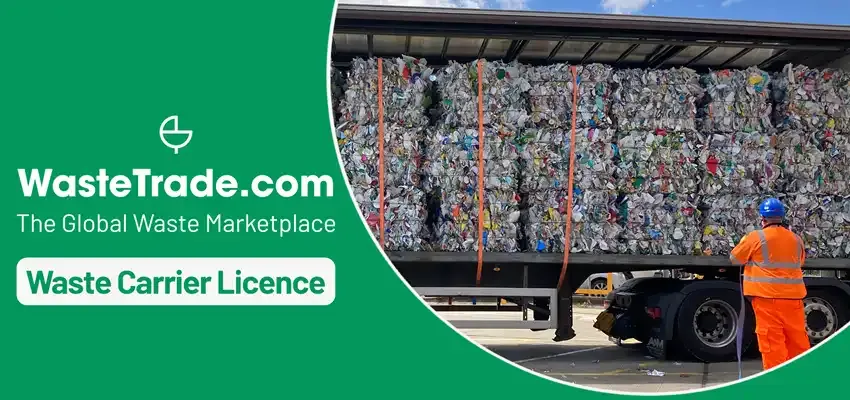
A waste carriers licence is a legal requirement for most businesses that transport, arrange, or trade waste in the UK. Properly referred to in legislation as waste carrier registration, it exists to control who is allowed to move waste and to prevent illegal disposal, fly-tipping, and unauthorised handling. If your business is involved in waste haulage , recycling, construction, manufacturing, logistics, or brokerage, the chances are you need a waste carriers licence. It applies whether waste transport is your main activity or just one part of what you do. Failure to hold the correct registration can lead to fines, vehicle seizure, and serious reputational damage. WasteTrade operates fully within this regulatory framework. Any waste movements coordinated through WasteTrade rely on properly registered carriers, brokers, and dealers, ensuring waste is moved by authorised parties and remains compliant throughout the supply chain.
Environment Agency Waste Carriers Licence
In England, the Environment Agency waste carriers licence system is responsible for administering waste carrier registrations. The Environment Agency maintains a public register of licensed carriers, brokers, and dealers, which is routinely checked during inspections and roadside enforcement. Although waste carrier registrations are recognised across the UK, businesses must register with the regulator in the country where they are based. Equivalent regulators exist in Wales, Scotland, and Northern Ireland, but the Environment Agency remains the authority most commonly referenced for waste carrier licensing. WasteTrade checks haulage partners against the appropriate registers, helping reduce the risk of unauthorised transport and ensuring that waste movements coordinated through the platform meet regulatory expectations.
What Does A Waste Carriers Licence Allow Me To Do
A common question is what does a waste carriers licence allow me to do. In simple terms, it gives you legal permission to operate within the waste supply chain. A waste carriers licence allows you to: Transport waste legally Arrange waste movements as a broker Buy and sell waste materials as a dealer Appear as an authorised person under duty of care rules However, it is important to understand what a waste carriers licence does not do. It does not replace: Waste Transfer Notes Hazardous Waste Consignment Notes Environmental permits for sites Transport safety requirements such as ADR The licence allows you to operate, but you must still operate correctly. WasteTrade supports this by helping businesses coordinate waste movements that stay within what the licence allows, without bypassing legal responsibilities.
Do I Need A Waste Carriers Licence
Many businesses ask do I need a waste carriers licence, particularly if waste transport is not their core service. In most cases, the answer is yes. You are likely to need a waste carriers licence if you: Carry waste for other people Move waste between sites Arrange collections or deliveries Act as a waste broker or dealer The law focuses on what you do, not how often you do it. Even occasional waste movements can trigger the requirement for registration. There are different tiers of registration, depending on whether you only move your own non-hazardous waste or carry waste for others. Getting this wrong is one of the most common compliance failures in the industry. WasteTrade helps businesses recognise when haulage and brokerage activities trigger waste carrier licensing requirements, particularly where waste movements are coordinated digitally rather than handled in-house.
Waste Carrier Licence
The term waste carrier licence is widely used across the industry, but in legal terms it refers to being registered as a waste carrier. This registration can also cover acting as a waste broker or waste dealer, depending on the activities your business carries out. You may need a waste carrier licence if you: Physically transport waste Arrange waste collections or deliveries Buy or sell waste materials, even if you never handle them This requirement applies regardless of whether you are paid for the service. Moving waste “as a favour” or as part of a wider contract does not remove the obligation. Platforms such as WasteTrade operate in a space where brokerage, haulage coordination , and waste trading overlap, making correct waste carrier licence registration essential for all parties involved.
Waste Carriers Licence Cost
The waste carriers licence cost depends on the type of registration required. Lower tier registrations are free, while upper tier registrations involve a fee and must be renewed periodically. The cost of a waste carriers licence is modest when compared to the risks of operating without one. Enforcement action can include fines, loss of contracts, and disruption to operations if vehicles are stopped or waste movements are deemed illegal. For businesses using platforms like WasteTrade, holding the correct waste carriers licence is not optional. Cost-saving is not a defence if waste is moved without proper authorisation.
Renew Waste Carriers Licence
An upper tier waste carriers licence does not last indefinitely. Businesses must renew waste carriers licence registrations before they expire to remain compliant. Allowing a licence to lapse can instantly invalidate waste movements, even if everything else is in order. Common mistakes include assuming automatic renewal, failing to update business details, or changing activities without updating the registration. Renewing a waste carriers licence on time helps avoid disruption and ensures continued access to waste haulage and brokerage opportunities. WasteTrade benefits from working with carriers whose registrations are current, reducing delays and compliance risk across coordinated waste movements.
Bringing It All Together
A waste carriers licence underpins legal waste haulage, brokerage, and trading in the UK. It protects the waste supply chain by ensuring only authorised businesses are allowed to move waste and arrange its transport. WasteTrade operates within this system, helping businesses coordinate waste movements using verified carriers and clear records, while responsibility for licensing and compliance remains where the law places it. If you are involved in moving, arranging, or trading waste, understanding and maintaining the correct waste carriers licence is not optional — it is fundamental.


