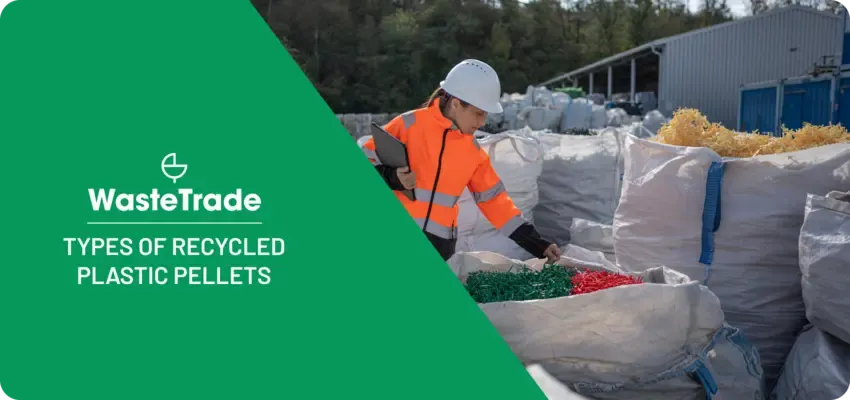
Recycled plastic pellets are a vital component in the circular economy, offering manufacturers a sustainable alternative to virgin plastics. These pellets are made by processing post-consumer and post-industrial plastic waste, reducing reliance on fossil fuels and minimising environmental impact. Depending on the type of plastic, recycled pellets can be used in a variety of industries, from packaging and construction to automotive and textiles. Below, we explore the most common types of recycled plastic pellets and their applications.
Recycled LDPE Pellets
Low-Density Polyethylene (LDPE) is a flexible and lightweight plastic commonly used for plastic bags, shrink wrap, and film products. Recycled LDPE pellets are derived from used packaging materials, agricultural film, and industrial waste. These pellets are particularly valuable for: Plastic film production – used in bin liners, shopping bags, and agricultural films Moulding applications – such as trays, containers, and flexible tubing Protective packaging – including bubble wrap and cushioning materials Due to its flexibility, LDPE is often recycled into similar products, reducing the need for new plastic production and keeping large amounts of waste out of landfills.
Recycled PP Pellets
Polypropylene (PP) is a durable thermoplastic used in a variety of applications, including packaging, textiles, and automotive parts. Recycled PP pellets are created from waste sources such as food packaging, automotive components, and industrial containers. Common uses of recycled PP pellets include: Automotive parts – for interior components, battery casings, and bumpers Textiles – in carpets, reusable bags, and upholstery Packaging – for storage containers, bottle caps, and crates Recycled PP pellets provide a strong and lightweight alternative to virgin polypropylene, making them an excellent choice for sustainable manufacturing.
Recycled PET Pellets
Polyethylene Terephthalate (PET) is best known for its use in plastic bottles and food packaging. Recycled PET pellets are produced by processing post-consumer PET waste, primarily from beverage bottles and food containers. Recycled PET pellets are widely used for: Textiles – in polyester fibres for clothing, carpets, and upholstery Food-grade packaging – for new bottles and food containers when processed to meet regulatory standards 3D printing – as a sustainable filament for additive manufacturing Because PET is one of the most commonly recycled plastics, its pellets play a significant role in reducing plastic waste and promoting a circular economy.
Recycled HDPE Pellets
High-Density Polyethylene (HDPE) is a strong, lightweight plastic commonly used in products such as bottles, containers, and piping. Recycled HDPE pellets are made by cleaning, shredding, and melting down HDPE waste before reforming it into pellets. These pellets are widely used in: Packaging – for producing bottles, containers, and film products Construction – in pipes, decking, and fencing Automotive – for non-structural car components and liners Recycled HDPE pellets retain much of the strength and durability of virgin HDPE, making them a cost-effective and eco-friendly option for manufacturers looking to reduce their environmental footprint.
Recycled PS Pellets
Polystyrene (PS) is used in a range of products, from food packaging to insulation materials. Recycled PS pellets come from sources such as disposable cutlery, foam packaging, and insulation boards. Applications of recycled PS pellets include: Insulation materials – for construction and soundproofing Protective packaging – such as moulded foam inserts and cushioning Consumer goods – like plastic cutlery, hangers, and office supplies Recycling polystyrene helps reduce its environmental impact, as the material is known for being difficult to biodegrade. By converting waste PS into pellets, manufacturers can reduce landfill waste and create new, useful products.


