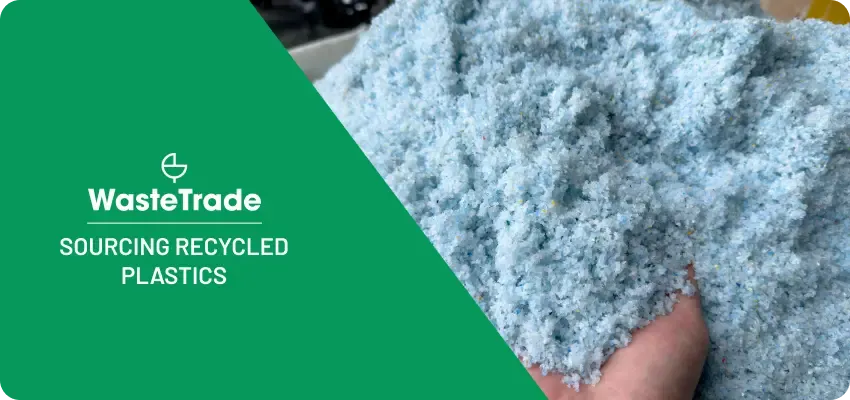
Sourcing recycled plastics is an essential step in creating a circular economy, reducing reliance on virgin plastic, and minimising environmental impact. Businesses looking to incorporate sustainable materials into their manufacturing processes have a range of recycled plastic options available, each with unique properties and applications. Whether derived from post-consumer waste or industrial by-products, these materials help reduce landfill waste and carbon emissions. Below, we explore different types of recycled plastics and how they are sourced and processed.
Post-Industrial Recycled Pellets
Post-industrial recycled (PIR) pellets are derived from plastic waste generated during manufacturing processes, such as production offcuts, rejected parts, and surplus materials. Unlike post-consumer waste, these plastics have not been used by consumers and are often cleaner, making them easier to process into high-quality pellets. Uses of PIR Pellets: Automotive manufacturing – for dashboards, trims, and plastic components Construction materials – including pipes, panels, and insulation Industrial packaging – such as crates, pallets, and protective films By recycling post-industrial waste, manufacturers can reduce material costs and improve sustainability without compromising product quality.
Recycled Plastic Granules
Recycled plastic granules are another form of processed plastic, often smaller and more uniform than pellets. They are produced by breaking down waste plastics into tiny granules that can be used in various manufacturing processes, including extrusion and injection moulding. Common Applications: Injection moulding – for creating durable plastic components Film production – in flexible packaging and plastic sheets 3D printing – as a raw material for eco-friendly printing filaments Plastic granules offer excellent versatility and are widely used across different industries to produce high-quality, sustainable products.
Reprocessed Plastic Pellets
Reprocessed plastic pellets are made by taking previously used plastic, melting it down, and reforming it into new pellets. These can be sourced from both post-consumer and post-industrial waste streams and are often blended with virgin plastic to enhance durability. Industries That Use Reprocessed Plastic Pellets: Construction – for pipes, fittings, and decking materials Automotive – in interior parts and under-the-hood components Consumer products – such as bins, storage containers, and toys Reprocessing extends the lifecycle of plastics, helping manufacturers reduce waste while maintaining material performance.
Post-Consumer Recycled Pellets
Post-consumer recycled (PCR) pellets are made from plastic waste that has been used and discarded by consumers, such as plastic bottles, food containers, and packaging films. This waste is collected, cleaned, and processed into high-quality pellets that can be used in various industries. Applications of PCR Pellets: Packaging – for bottles, food containers, and shopping bags Textiles – in the production of polyester fibres for clothing and carpets Consumer goods – such as electronics casings, household items, and office supplies Post-consumer recycling plays a crucial role in reducing plastic pollution and promoting the reuse of materials that would otherwise end up in landfills or the ocean.
R-Plastic Pellets
R-plastic pellets (short for "recycled plastic pellets") are a broad category of sustainable raw materials made from various plastic waste streams. They serve as a direct substitute for virgin plastic in multiple industries, offering environmental and cost-saving benefits. Key Advantages of R-Plastic Pellets: Reduces plastic waste – lowering landfill volumes and pollution Decreases carbon footprint – cutting emissions from new plastic production Supports circular economy – promoting sustainable resource use R-plastic pellets can be tailored to meet specific manufacturing needs, making them a versatile solution for businesses looking to improve sustainability while maintaining product quality.


