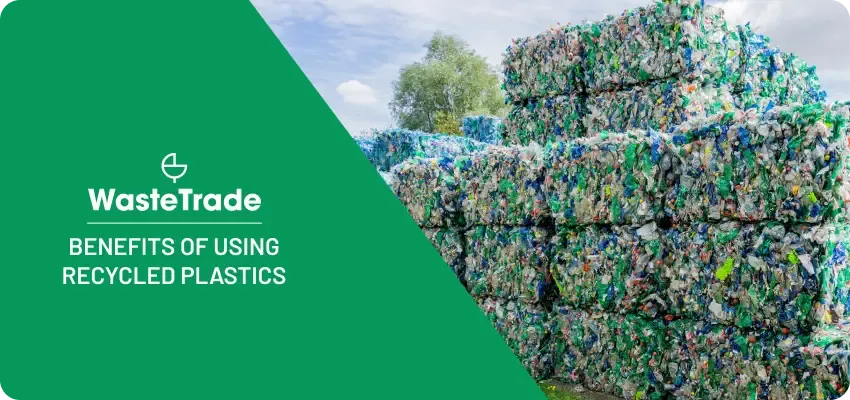
The demand for sustainable materials is growing as industries seek to reduce waste, lower carbon emissions, and meet environmental regulations. Recycled plastics provide an eco-friendly alternative to virgin materials, offering a range of benefits for manufacturers, consumers, and the environment. By incorporating recycled plastic solutions into production processes, businesses can contribute to a circular economy while enjoying cost savings and maintaining high-quality standards. Below, we explore the key advantages of using recycled plastics.
Environmentally Friendly Recycled Pellets
Using environmentally friendly recycled pellets helps manufacturers significantly reduce their carbon footprint. Unlike virgin plastic, recycled pellets require fewer resources to produce, consuming less energy and water while reducing greenhouse gas emissions. Environmental benefits include: Less plastic waste – Diverting materials from landfills and oceans. Lower CO₂ emissions – Cutting down on pollution from plastic production. Conservation of natural resources – Reducing the need for new petroleum-based plastics. Recycled plastic pellets help businesses meet environmental targets while supporting global efforts to combat plastic pollution.
Cost-Effective Recycled Pellets
Beyond environmental benefits, recycled plastic pellets offer a cost-effective solution for manufacturers. Recycling processes have become more efficient, making high-quality recycled materials a financially viable alternative to virgin plastics. Cost advantages include: Lower raw material costs – Recycled plastics are often more affordable than newly produced alternatives. Reduced landfill taxes – Businesses can save money by diverting waste from disposal sites. Stable pricing – Recycling reduces dependence on fluctuating fossil fuel prices. With advancements in sorting and processing technology, recycled pellets now offer reliable performance at a lower cost, making them a smart choice for businesses focused on sustainability and profitability.
Circular Economy Plastics
The shift towards circular economy plastics ensures that plastic waste is continuously repurposed rather than discarded. A circular economy aims to keep materials in use for as long as possible, minimising waste and maximising resource efficiency. How circular economy plastics make a difference: Encourages product design for recyclability – Making plastics easier to reuse and repurpose. Reduces dependence on virgin materials – Supporting long-term sustainability goals. Promotes responsible waste management – Encouraging businesses to close the loop on plastic use. By investing in circular economy plastics, industries can future-proof their operations while protecting the environment.
Recycled Plastic Solutions
Recycled plastics are transforming industries by offering sustainable alternatives to traditional raw materials. These solutions help reduce the reliance on fossil fuels while providing the same durability and functionality as virgin plastics. Key applications of recycled plastic solutions include: Packaging – Sustainable alternatives for bottles, containers, and flexible films. Construction – Durable materials for piping, insulation, and composite decking. Automotive – Lightweight components that improve fuel efficiency. Consumer goods – Reusable shopping bags, furniture, and electronics casings. By adopting recycled plastic solutions, businesses can enhance their sustainability efforts without compromising performance.
Closed-Loop Recycling
Closed-loop recycling is a key principle of the circular economy, where plastics are collected, processed, and reused in new products without significant degradation in quality. This system reduces waste and extends the life cycle of plastic materials. Examples of closed-loop recycling in action: PET bottle recycling – Old bottles are processed into new beverage containers. HDPE container recycling – Used detergent and milk bottles are reformed into fresh packaging. Industrial plastics reuse – Manufacturing offcuts are recycled back into production. Closed-loop recycling ensures that plastics remain part of a sustainable system, reducing environmental impact and promoting resource efficiency.


