Aluminium Recycling: Key Information
- WasteTrade connects businesses buying and selling recyclable aluminium through a verified global marketplace.
- Aluminium scrap can include production offcuts, sheet, extrusion, cans, cast aluminium, cable-related material and mixed non-ferrous loads.
- Clean, separated and accurately described aluminium is easier for buyers to assess and can attract stronger commercial interest.
- Sellers can list aluminium scrap with its grade, quantity, location, condition, availability and photographs for verified buyers to review.
- Buyers can browse recycled aluminium listings or create wanted listings for specific grades, quantities and locations.
- WasteTrade supports aluminium trades with logistics coordination, compliance, documentation and payment assistance.
- Aluminium can be recycled repeatedly, reducing demand for primary aluminium while retaining its usefulness as a manufacturing material.
- Good segregation, low contamination and clear material information help protect aluminium scrap value and improve buyer confidence.
Aluminium Recycling
Aluminium recycling is a commercial opportunity for businesses producing, handling or buying recyclable metal. For sellers, aluminium scrap can be a valuable material stream rather than a disposal problem. For buyers, recycled aluminium can support production, trading and circular supply-chain requirements without relying only on primary aluminium.
WasteTradehelps businesses buy, sell and recycle aluminium through a verified global marketplace. Sellers can list aluminium scrap, production offcuts, aluminium cans, sheet aluminium, extrusion scrap, mixed non-ferrous loads and other aluminium material for verified buyers to review. Buyers can browse available aluminium listings or create a wanted listing for the grade, quantity and location they need.
The purpose is simple: make aluminium recycling commercially easier. WasteTrade gives businesses a route to market, supports verified buyer and seller relationships, and helps with the practical parts of recyclable material trading, including logistics coordination, documentation and payment support.
If your business has aluminium scrap to sell, or needs recycled aluminium supply, WasteTrade gives you a structured way to trade the material with more confidence.
Scrap Aluminium Recycling
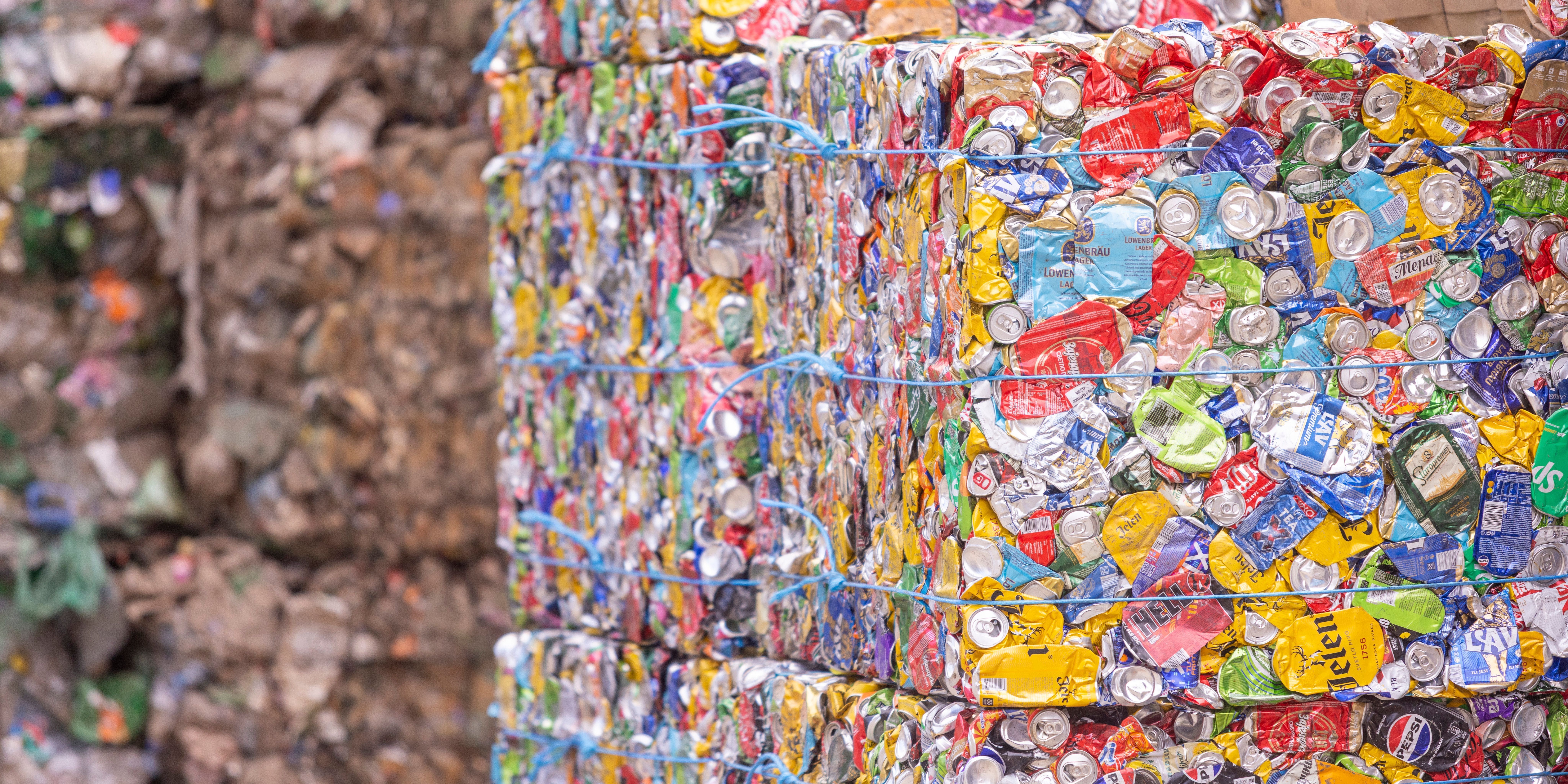
Scrap aluminium recycling covers a wide range of commercial and industrial material streams. Aluminium scrap can come from manufacturing, fabrication, construction, demolition, automotive operations, engineering workshops, cable processing, packaging waste, aluminium can collection and non-ferrous metal recovery.
Common recyclable aluminium streams include sheet aluminium, extrusion scrap, aluminium cans, production offcuts, window frame material, cast aluminium, cable-related aluminium, aluminium packaging, mixed non-ferrous loads and aluminium rejects from manufacturing. Some material may be clean and easy to assess. Other loads may be painted, coated, mixed, contaminated or attached to other materials.
The commercial value of scrap aluminium depends on more than the fact that it is aluminium. Buyers will look at the material type, grade, cleanliness, contamination level, quantity, storage format, location and ease of collection. Clean, separated aluminium scrap is usually easier to sell because it gives buyers more confidence and reduces processing work.
This is where many businesses lose value. Aluminium that is mixed into general waste, bundled with other metals, contaminated with plastic or poorly described can be harder to price. It may still be recyclable, but the buyer has more uncertainty. Better segregation and clearer information can make a material listing more attractive.
WasteTrade allows sellers to present scrap aluminium properly. A strong listing should include the material type, tonnage, number of loads, location, availability, photos of the actual material, packaging format and any known contamination. That gives verified buyers enough information to decide whether the material fits their requirements.
Scrap aluminium recycling should not be treated as a basic waste removal task. For manyWasteTrade customers, it is a way to recover value from a regular material stream and put it in front of buyers who are actively looking for recyclable aluminium.
Aluminium Recycling Services
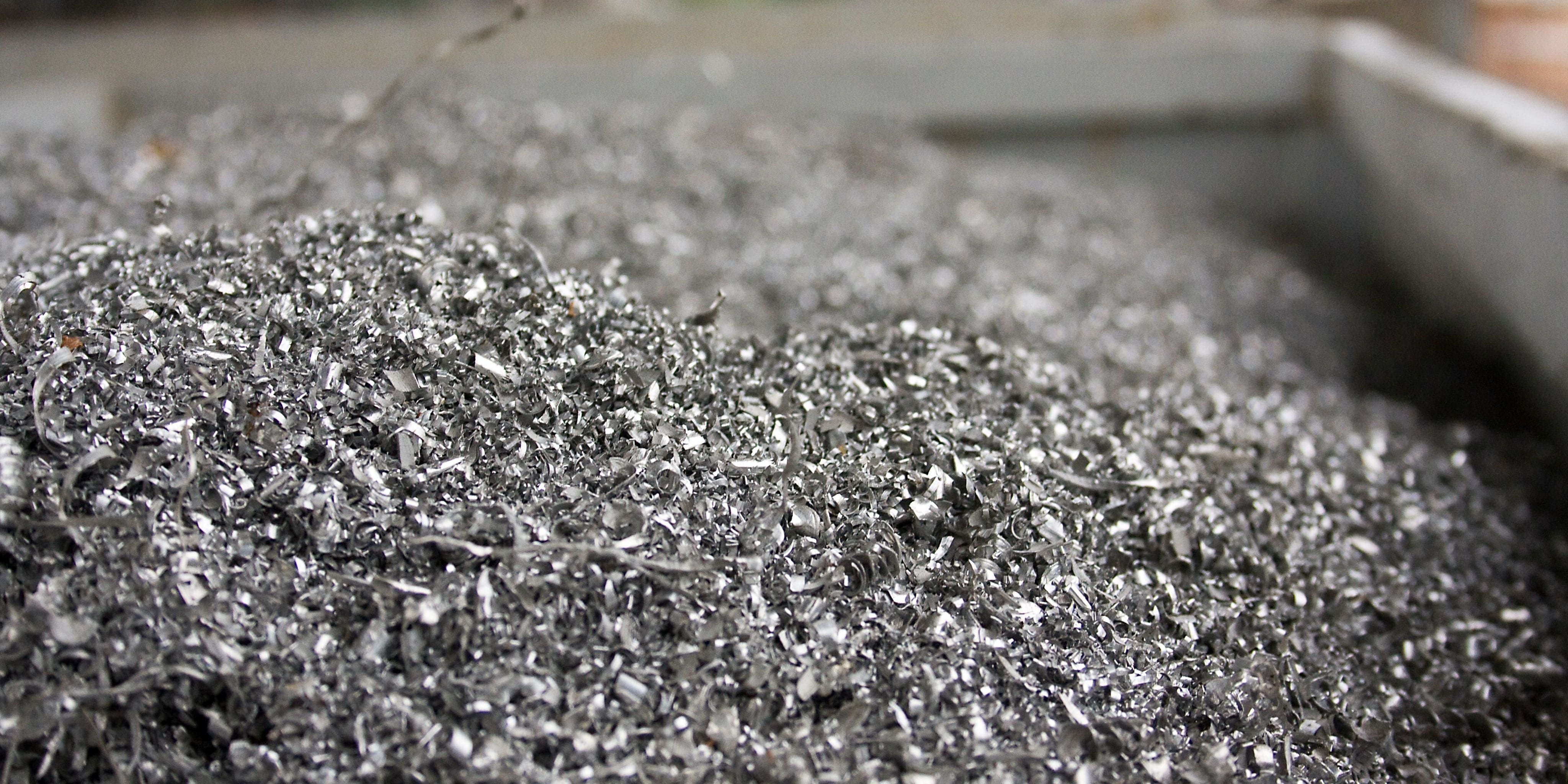
Aluminium recycling services through WasteTrade are built around the trade itself. The platform is not just about finding somewhere to take material. It helps businesses create acommercial route for aluminium scrap, recycled aluminium and related non-ferrous metal streams.
For sellers, WasteTrade provides a way to list aluminium material for verified buyers. The listing process helps organise the information buyers need: material type, location, volume, quality, availability and supporting photos. Once listed, aluminium material can be viewed by buyers looking for suitable recyclable metal.
For buyers, WasteTrade provides access to aluminium listings from verified sellers. Buyers can search available material or create wanted listings if they need a specific aluminium grade, quantity or supply route. This is useful for recyclers, manufacturers, processors, traders and other businesses sourcing secondary metal.
WasteTrade also supports the practical parts of the transaction. Aluminium recycling can involvetransportplanning, compliance checks, documentation, payment security and coordination between several parties. A deal can fail if any of these are handled badly. WasteTrade’s role is to help make the buying and selling process more manageable from listing through to movement.
The commercial advantage is that sellers are not relying on one narrow route, and buyers are not depending only on informal contacts. WasteTrade creates a more structured marketplace for aluminium recycling, with verified counterparties and support around the transaction.
Sell Aluminium Scrap
Businesses can sell aluminium scrap on WasteTrade by creating a listing and making the material visible to verified buyers. This is one of the most important commercial uses of the platform for aluminium recycling.
A good aluminium scrap listing should answer the buyer’s first questions quickly. What is the material? How much is available? Where is it located? Is it clean or mixed? Is it loose, baled, bagged, boxed or stored in stillages? Is it a one-off load or an ongoing supply? Are there clear photos? Can the material be loaded easily?
These details matter because they affect price, logistics and buyer confidence. A vague listing creates uncertainty. A clear listing gives buyers a reason to engage.
For example, a manufacturer with regular aluminium offcuts should make clear whether the material is clean production scrap, coated, painted, mixed with other metals or generated on an ongoing basis. A waste company handling mixed non-ferrous material should explain the composition as clearly as possible. A business with aluminium cans should state whether they are loose or baled, dry or contaminated, and available as a single load or recurring stream.
WasteTrade helps sellers move beyond the limitations of a single local outlet. By listing aluminium scrap on the marketplace, businesses can reach verified buyers who may be looking for that specific material type, grade or volume. WasteTrade also supports the transaction with logistics, compliance and payment assistance, which is particularly important for bulk and cross-border recyclable material trades.
For sellers, the goal is not just to “get rid” of aluminium scrap. The goal is to present it properly, find the right buyer and recover as much commercial value as possible.
Buy Recycled Aluminium
WasteTrade also supports businesses looking to buy recycled aluminium. Buyers may include recyclers, manufacturers, foundries, processors, traders and companies looking for secondary material supply. Some buyers need one-off loads. Others need recurring supply from reliable recycled aluminium suppliers.
The buying process starts with access to suitable material. WasteTrade allows buyers to browse aluminium listings and assess the basics: quantity, location, material type, availability and visible quality information. If the right material is not available, buyers can create a wanted listing so sellers can respond to a specific requirement.
This matters because recycled aluminium sourcing is not only about price. Buyers need to consider grade, consistency, contamination risk, transport cost, documentation and seller reliability. A low-priced load can become a poor purchase if it is badly described, expensive to move or unsuitable for the intended process.
WasteTrade helps reduce that uncertainty by creating a verified trading environment. Sellers are checked, listings are structured, and buyers can assess material before committing. This gives buyers a more practical way to source recycled aluminium and gives sellers access to businesses already looking for supply.
For companies that need recycled aluminium as part of a procurement, manufacturing or trading strategy, WasteTrade can widen the available market. Instead of relying only on existing contacts, buyers can use the platform to find aluminium material from verified sellers and explore opportunities across different locations.
Aluminium Recycling Companies
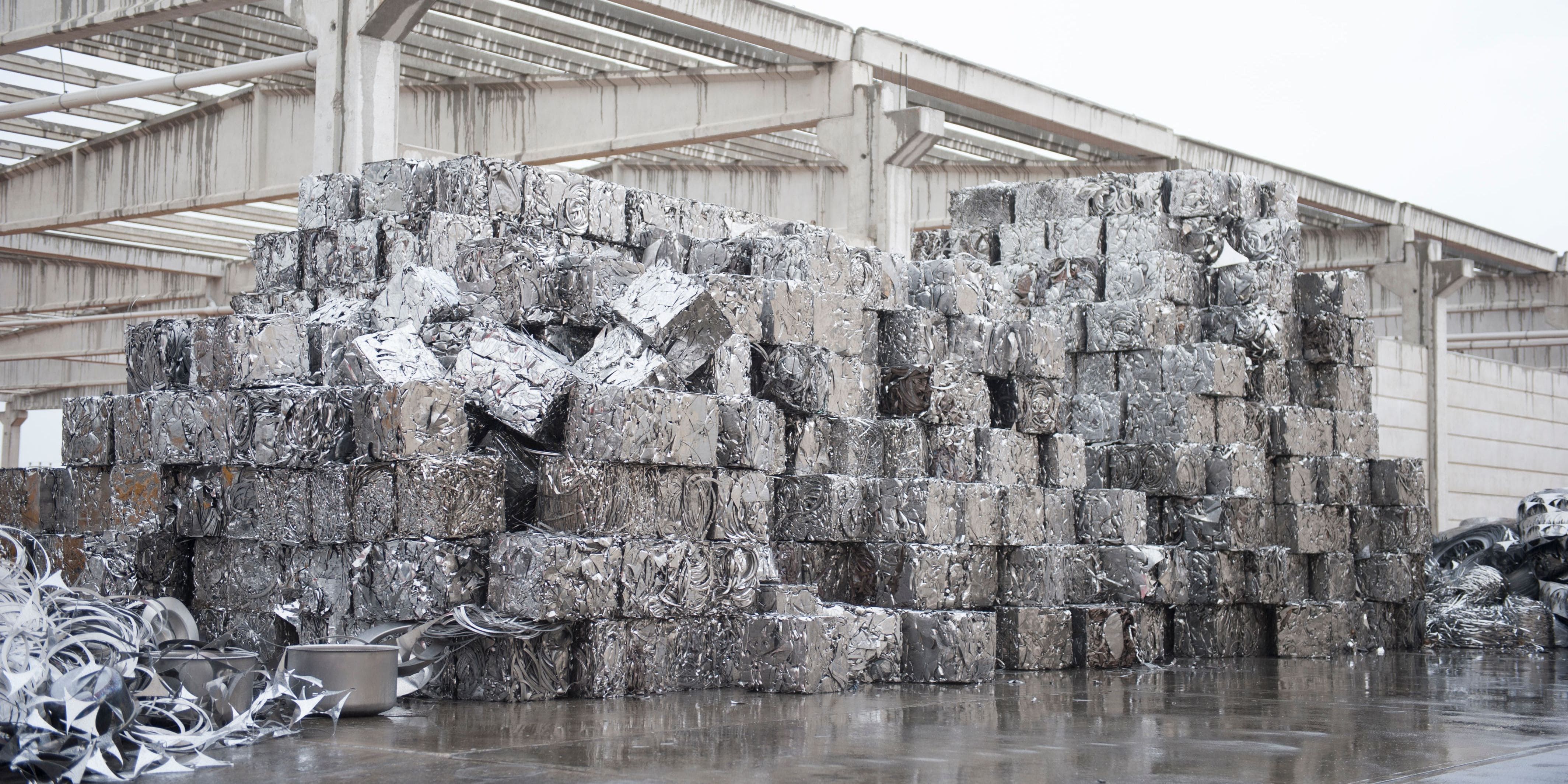
Many businesses search for aluminiumrecycling companiesbecause they want a reliable outlet for scrap metal. The difficulty is that not every recycler is right for every aluminium stream. Clean extrusion scrap, aluminium cans, cast aluminium, sheet aluminium and mixed non-ferrous loads may all need different handling, pricing and processing routes.
WasteTrade is not a single aluminium recycling company. It is a marketplace that connects businesses with verified buyers, sellers and recycling outlets. That gives sellers more than one possible route and gives buyers access to material from different sources.
Choosing analuminium recycling companyshould not be based only on who is nearby or who gives the quickest answer. Businesses should consider whether the recycler or buyer is verified, whether they understand the material, whether they can handle the volume, whether the transport is viable, and whether the paperwork and payment process are clear.
WasteTrade is useful because it brings these commercial checks into the trading process. The platform is designed for recyclable material transactions where trust, documentation, haulage and payment all matter. Sellers can list aluminium material for verified buyers. Buyers can search for supply. WasteTrade supports the practical steps around the deal.
For aluminium recycling, that structure can be more valuable than a simple directory of companies. It helps businesses move from “who can take this?” to “who is the right buyer for this material?”
Is Aluminium Recyclable?
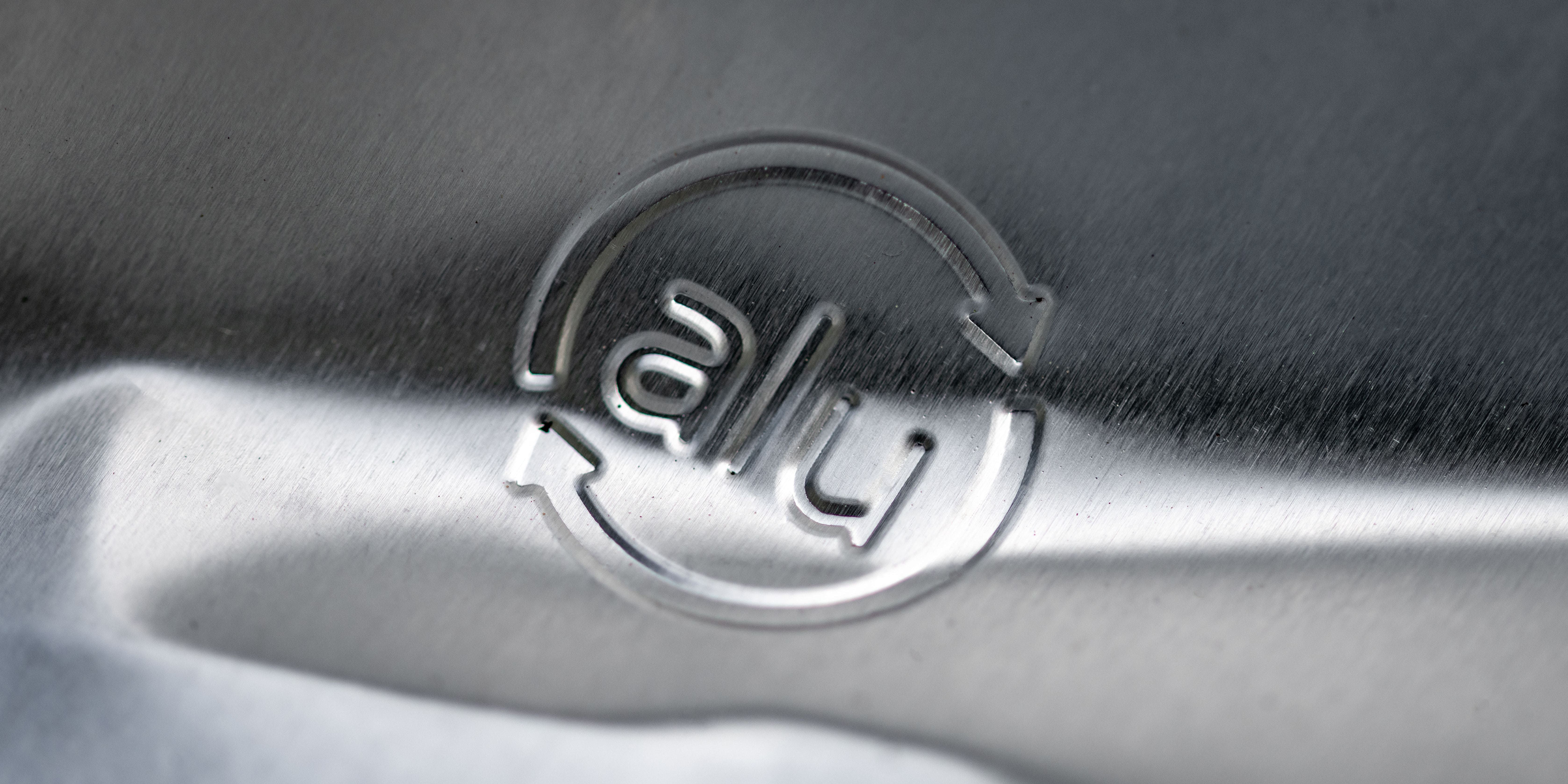
Yes, aluminium is recyclable. It is one of the most widelyrecycled and commercially valuable metalsbecause it can be melted and reprocessed repeatedly while retaining its core material properties.
For businesses, this is not just an environmental point. It is a commercial one. If aluminium can be recycled repeatedly, then clean and well-sorted aluminium scrap can remain useful to buyers and manufacturers. That gives the material a stronger chance of holding value when compared with lower-quality mixed waste streams.
Aluminium recyclability is especially important for sectors producing regular volumes: manufacturing, packaging, construction, automotive, demolition, engineering, cable recovery, hospitality and waste management. In each case, better separation can protect value. Aluminium placed in general waste is a missed opportunity. Aluminium sorted, stored and listed properly can become a tradeable material.
WasteTrade helps businesses turn that recyclability into a route to market. Sellers can list aluminium scrap and buyers can source recycled aluminium from verified counterparties. The recycling potential is already there. The commercial challenge is finding the right buyer, presenting the material clearly and moving it properly.
How Is Aluminium Recycled?
Aluminium recycling usually starts with collection and sorting. Material may come from aluminium cans, manufacturing offcuts, construction waste, demolition sites, cable processing, engineering scrap or commercial waste streams. It is then separated from other metals and non-metallic contamination.
After sorting, aluminium may be cleaned, shredded or otherwise prepared for melting. It is then melted in a furnace and cast into usable forms such as ingots, billets or sheets. These forms can be used again in manufacturing, depending on the material specification and end market.
The technical process is important, but for WasteTrade customers the commercial lesson is just as important: the better the material is prepared and described, the easier it is for a buyer to assess. Clean aluminium with clear photos, accurate tonnage and honest quality information is more straightforward to trade than a mixed load with little detail.
Contamination can reduce buyer interest because it creates extra work and risk. Plastic, rubber, steel, food residue, moisture, coatings or other mixed materials may all affect processing and value. This does not always mean the aluminium cannot be recycled, but it does mean the material needs to be described properly.
WasteTrade listings help buyers make those assessments before a deal moves forward. That saves time, reduces uncertainty and supports more realistic pricing.
Benefits of Aluminium Recycling
The benefits of aluminium recycling are commercial, environmental and operational.
Commercially, aluminium scrap can generate revenue for businesses that separate and sell it properly. Instead of paying for disposal or accepting a weak route for the material, sellers can list aluminium scrap on WasteTrade and make it visible to verified buyers. For regular material streams, this can become part of a wider revenue recovery and waste management strategy.
For buyers, recycled aluminium can support supply security and circular procurement. Manufacturers, recyclers and traders may use recycled aluminium to reduce reliance on primary material, meet customer requirements, or support internal sustainability targets.
Environmentally, aluminium recycling reduces the need for virgin bauxite extraction and uses far less energy than producing primary aluminium. It also helpskeep valuable metal in circulationand reduces material loss to landfill or low-value disposal.
Operationally, better aluminium recycling can improve site discipline. Businesses that separate aluminium properly often gain better visibility over their waste streams, storage requirements and recoverable materials. That can help with reporting, cost control and supplier discussions.
WasteTrade brings these benefits together in a commercial setting. The platform gives sellers a way to reach aluminium buyers, gives buyers access to recycled aluminium supply, and supports the logistics and compliance work needed to complete trades.
Aluminium Recycling FAQs
Can aluminium be recycled?
Yes. Aluminium is highly recyclable and can be reprocessed repeatedly. For businesses, the best results usually come from keeping aluminium separate, clean and clearly described before listing or selling it.
What types of aluminium scrap can be recycled?
Recyclable aluminium can include cans, sheet aluminium, extrusion scrap, production offcuts, window frames, cast aluminium, cable-related aluminium, packaging waste and mixed non-ferrous material. Value depends on quality, quantity, contamination and buyer demand.
How is aluminium recycled?
Aluminium is collected, sorted, cleaned of contaminants, prepared for melting, melted in a furnace and cast into new forms such as ingots, billets or sheets. It can then be used again in manufacturing.
Can I sell aluminium scrap on WasteTrade?
Yes. Businesses can list aluminium scrap on WasteTrade for verified buyers to review. A strong listing should include material type, quantity, location, photos, availability and any relevant quality information.
Can I buy recycled aluminium on WasteTrade?
Yes. Buyers can browse aluminium listings or create wanted listings for specific material requirements. WasteTrade helps buyers find recycled aluminium from verified sellers.
Does WasteTrade handle aluminium recycling logistics?
WasteTrade supports logistics coordination as part of recyclable material trading. Transport requirements depend on the material, volume, location and buyer requirements.
How can I get better value for aluminium scrap?
Separate aluminium from other materials, reduce contamination, sort by type where possible, provide accurate weights, take clear photos and list the material where verified buyers can assess it properly.
Start Trading Aluminium on WasteTrade
If your business produces aluminium scrap, needs recycled aluminium supply or wants a better route for aluminium recycling, WasteTrade can help.
List aluminium material for verified buyers, browse available recycled aluminium listings, or create a wanted listing for the grade and quantity you need. WasteTrade supports the trade with verified counterparties, logistics coordination, compliance support and payment assistance, helping businesses turn recyclable aluminium into a stronger commercial opportunity.


