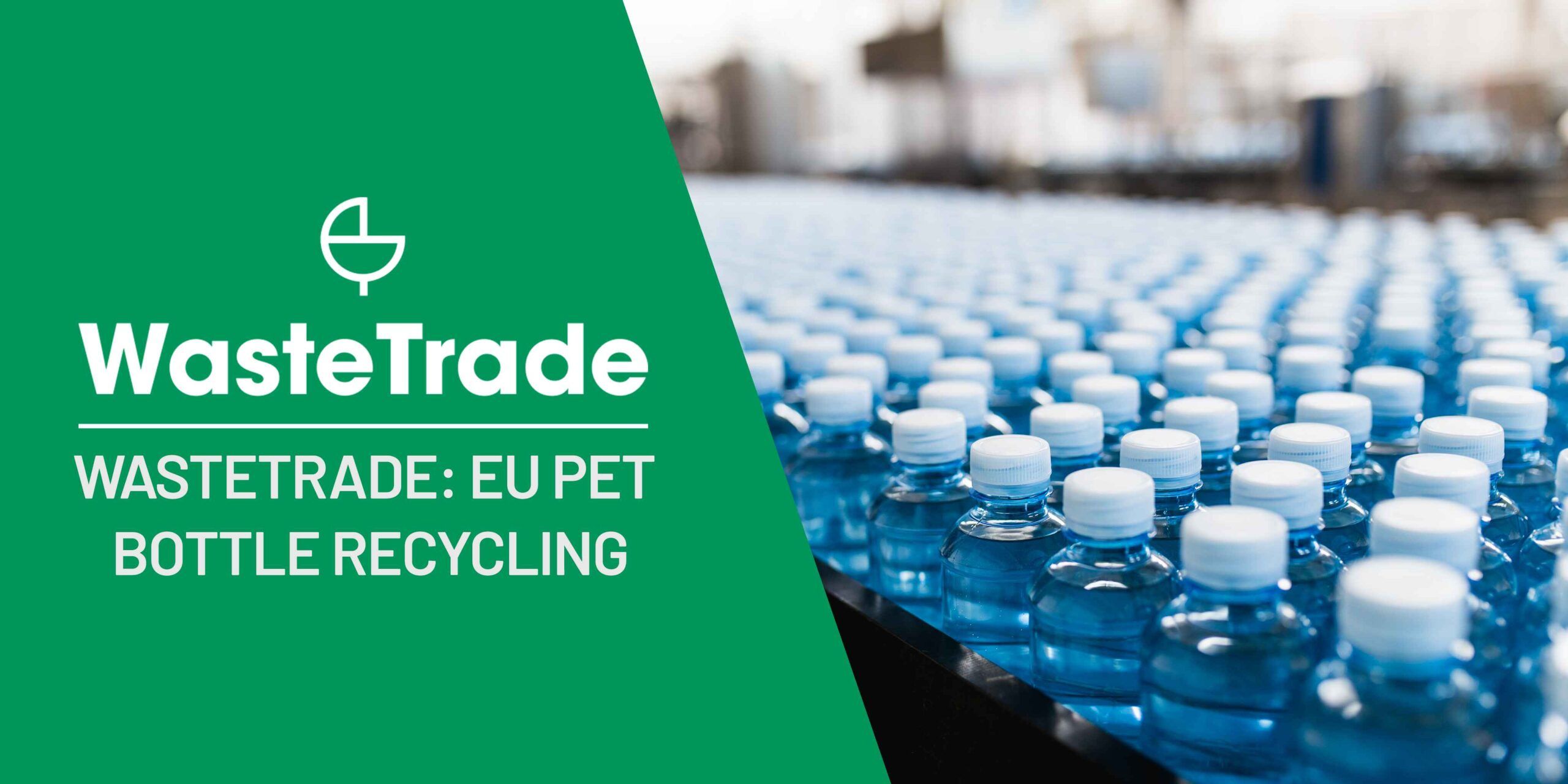
The European Union has long been at the forefront of global efforts to combat environmental degradation and promote sustainability. In its latest step towards fostering a circular economy, the EU introduced Commission Implementing Decision (EU) 2023/2683. This legislation, effective from 1st December 2023, mandates higher recycled plastic content in single-use plastic beverage bottles, including PET bottles. Now that we have entered 2025, the first major milestone of the legislation—requiring PET bottles to contain at least 25% recycled plastic—is upon us. This update serves as a reminder of the progress made and the steps still required to achieve the EU’s broader sustainability goals.
Key Features of the Legislation
Targets for Recycled Plastic Content
The legislation sets ambitious targets for recycled plastic content in beverage bottles:
- 2025: PET bottles must now contain at least 25% recycled plastic.
- 2030: This target rises to 30% for all beverage bottles.
The inclusion of labels and sleeves in the calculation of recycled content remains a noteworthy aspect of the legislation. These components, often overlooked, are integral to the overall composition of beverage bottles. Their inclusion underscores the EU’s holistic approach to addressing plastic waste by ensuring every part of the product contributes to sustainability goals.
Strict Definition of Recycled Plastic
The legislation strictly defines recycled plastic as material derived from post-consumer plastic waste. This distinction ensures that only genuinely recycled materials are counted towards the targets, aligning with the EU’s broader goals to minimise the environmental impact of plastic products. By focusing on post-consumer waste, the EU aims to divert significant amounts of plastic away from landfills and into productive reuse.
Data Reporting and Verification
To guarantee transparency and compliance, the legislation requires Member States to collect and report data on recycled plastic content in PET bottles and all beverage bottles. Reports must detail both the total weight of plastic components and the weight of recycled content. This robust reporting mechanism ensures accurate monitoring of progress towards the targets.
Manufacturing and Compliance Standards
The compliance process outlined in Commission Regulation (EU) 2022/1616 is crucial for maintaining the integrity of the recycling chain. It mandates recyclers and converters to provide declarations of compliance that specify the percentage of recycled plastic in each batch of material intended for food contact. This measure supports economic operators in accurately calculating and reporting recycled content, fostering trust and reliability throughout the supply chain.
Implications of the Legislation
For Manufacturers and Recyclers
As of January 2025, manufacturers and recyclers are now operating under the first target (25% recycled content) of the legislation. For recyclers, the focus remains on producing high-quality recycled plastics that meet stringent standards for food-grade applications. Manufacturers must integrate these materials into their production processes, which may involve investments in new technologies and supply chain adjustments.
This shift continues to present opportunities for innovation. Companies that pioneer advanced recycling methods and technologies are well-positioned to meet the growing demand for recycled materials while gaining a competitive edge.
For the Environment
The environmental benefits of this legislation are already becoming apparent. By reducing reliance on virgin plastic production, the EU has made strides in lowering greenhouse gas emissions associated with plastic manufacturing. Additionally, diverting post-consumer plastic waste from landfills and the natural environment has contributed to a significant reduction in plastic pollution, protecting ecosystems and wildlife.
For Consumers
Consumers now have greater access to sustainable products, allowing them to make more environmentally conscious purchasing decisions. The introduction of bottles with 25% recycled plastic content also serves as a visible reminder of the collective effort needed to achieve a circular economy. Public awareness of recycling’s importance continues to grow, fostering a culture of responsibility and sustainability.
Ongoing Developments and Future Prospects
As the 2025 milestone is met, attention shifts to the next target: achieving 30% recycled plastic content in all beverage bottles by 2030. The EU remains committed to refining and expanding recycling methodologies. Amendments proposed in 2024 are expected to broaden the scope of recyclable materials and introduce improved methodologies for calculating recycled content, ensuring the legislation remains relevant and effective.
Member States continue to play a crucial role by collecting reliable data from economic operators, including the weight of plastic parts and recycled content in beverage bottles. Annual reporting will provide valuable insights into progress, enabling adjustments to enhance the legislation’s effectiveness.
WasteTrade’s Perspective
At WasteTrade, we are proud to support the EU’s efforts to reduce plastic waste and promote sustainability. This legislation aligns perfectly with our core mission of fostering a circular economy by connecting waste generators, recyclers, and manufacturers through a transparent and efficient platform.
We recognise the critical role of legislation in driving meaningful change. By setting clear targets and providing a robust framework for compliance, the EU has created an environment that encourages innovation and collaboration within the recycling sector. At WasteTrade, we facilitate this collaboration by:
- Offering a global platform for the trade of recycled materials, enabling buyers and sellers to connect seamlessly.
- Supporting compliance with regulations by ensuring that all materials traded on our platform meet relevant standards.
- Promoting investment in advanced recycling technologies through strategic partnerships and knowledge sharing.
Our logistics solutions are designed to reduce transport costs and emissions, further contributing to the environmental goals outlined in the EU’s legislation. By prioritising sustainability in every aspect of our operations, WasteTrade continues to be a key enabler of the circular economy.
As we reach the first milestone of the EU’s guidelines for recycled plastic bottles, it is clear that meaningful progress has been made. By setting ambitious targets, defining clear standards, and fostering collaboration across the supply chain, this legislation provides a strong foundation for a more sustainable future. WasteTrade is proud to play its part in this journey, working alongside manufacturers, recyclers, and policymakers to create a world where waste becomes a resource rather than a problem.