Steel Recycling Prices: Key Information
- Steel recycling prices vary by grade, quality, volume, preparation, location, transport costs and current buyer demand.
- There is no single steel scrap price that accurately represents every material, load or market.
- WasteTrade prices are market-led, with sellers listing real material for verified buyers and recyclers to assess commercially.
- Clean, separated and accurately graded steel scrap is generally easier to price than mixed or contaminated material.
- Bulk and recurring supplies can attract different commercial interest because transport, processing and supply consistency affect buyer economics.
- Steel prices may be quoted per tonne, kilogram or pound depending on the market, but the underlying value drivers remain the same.
- Sellers can improve price potential by separating materials, providing accurate weights and photographs, and clearly describing collection and loading conditions.
- WasteTrade gives sellers access to a broader buyer network while helping buyers find verified steel scrap supply.
Steel Recycling Prices
Steel recycling prices matter because scrap steel is not just waste. For many businesses, it is a recoverable commodity with commercial value. The difficulty is that there is no single steel recycling price that applies to every load, every seller or every location.
The price of steel scrap depends on the material, the market and the route to the buyer. Clean production offcuts are not priced in the same way as mixed ferrous scrap from a demolition site. A recurring supply of prepared steel scrap is not the same as a one-off loose load with contamination.
WasteTradehelps businesses buy and sell steel scrap through a verifiedmarketplace. Sellers can list steel material, reach verified buyers and recyclers, and avoid relying only on one local quote. Buyers can use WasteTrade to find available steel scrap and recycled steel material from verified sellers.
If you want to understand steel recycling prices, the first thing to know is simple: price is not just about the metal. It is about grade, quantity, cleanliness, location, preparation, demand, transport and trust.
WasteTrade gives businesses a more structured route into the steel recycling market. Instead of treating steel scrap as a disposal issue, sellers can present it as a tradable material and give buyers the details they need to make a serious commercial enquiry.
Steel Metal Recycling Prices
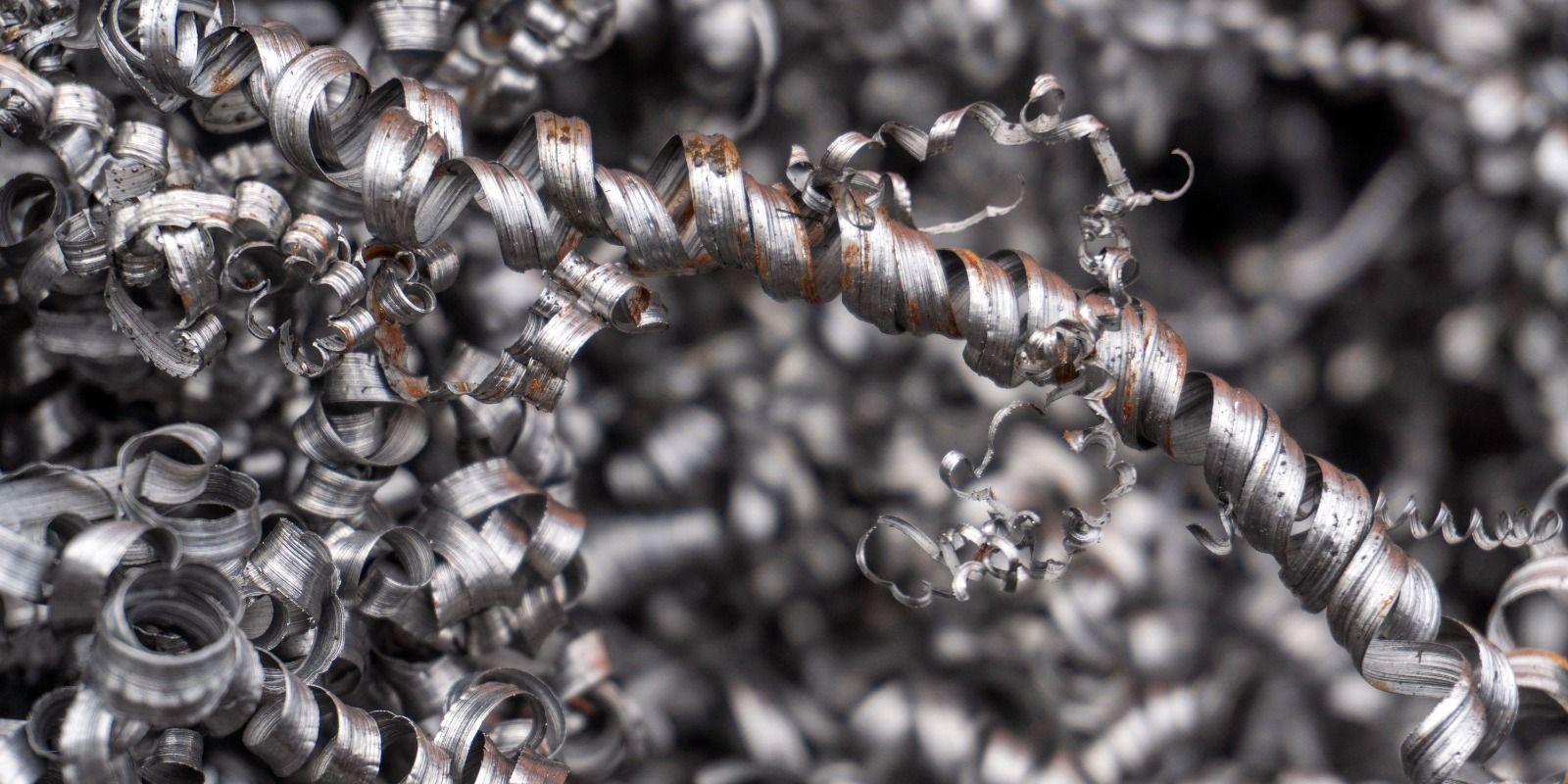
Steel metal recycling prices are shaped by the wider scrap market and the condition of the material being sold. Two businesses may both have steel scrap, but the value can be very different.
A manufacturer with clean steel offcuts will usually have a stronger material stream than a site with mixed scrap containing timber, plastic, rubber, insulation or general waste. A larger recurring supply may also attract stronger interest because buyers can plantransportand processing more efficiently.
The main factors that affect steel metal recycling prices include:
• Steel grade
• Weight or volume
• Cleanliness
• Contamination
• Material form
• One-off or ongoing supply
• Collection location
• Loading conditions
• Transport cost
• Buyer demand
For WasteTrade customers, the aim is not just to find a generic steel recycling price. The aim is to get steel scrap in front of buyers who understand the material, need the supply and can act on it.
That is why a WasteTrade listing should do more than say “steel scrap available”. Buyers need enough information to judge whether the material works commercially. A clear listing improves buyer confidence and cuts down wasted time.
Steel Recycling Price
Thesteel recyclingprice for a specific load depends on what the buyer is actually receiving. Scrap steel is not valued separately from its condition. Buyers have to allow for handling, sorting, processing, transport, contamination and resale potential.
Clean, separated steel scrap is usually easier to assess than mixed material. Prepared material may also be easier to handle than loose or awkward scrap. A regular supply can be more attractive than an occasional load because it gives buyers greater certainty.
The steel recycling price may also depend onthe type of buyer. A local scrap yard, steel recycler, merchant, manufacturer and exporter may all look at the same material differently. Each has different costs, requirements and routes to market.
WasteTrade helps sellers avoid relying on one route. By listing steel scrap on WasteTrade, businesses can make the material visible to verified buyers and recyclers who may be better suited to that specific load.
That does not mean every load will command a high price. Poorly sorted or uneconomic material will still face commercial limits. But a stronger route to market gives good material a better chance of being seen by the right buyer.
Current Price of Recycled Steel
The current price of recycled steel changes with the market. Steel scrap is linked to industrial demand, steel production, freight, energy costs, regional supply and buyer requirements. Prices can move, and they can vary between countries, regions and material types.
That is why WasteTrade should not be treated as a fixed steel recycling price list. Its stronger value is market access. Sellers can use the platform to show available steel scrap to verified buyers. Buyers can use WasteTrade to find steel scrap andrecycled steelmaterial from verified sellers.
Before asking for the current price of recycled steel, sellers should prepare the information buyers need:
• Type of steel
• Quantity available
• Location
• One-off or ongoing supply
• Clean or mixed material
• Loose, baled, cut or prepared form
• Photographs
• Loading access
• Known contamination
• Any specifications or documents
Without this information, any price is likely to be cautious or conditional. Buyers cannot price properly if they do not know what they are being asked to collect, process or buy.
For WasteTrade customers, the current price of recycled steel only becomes useful when it can be applied to a real material listing. WasteTrade helps turn that material into a commercial opportunity.
Price of Recycled Steel Per Ton
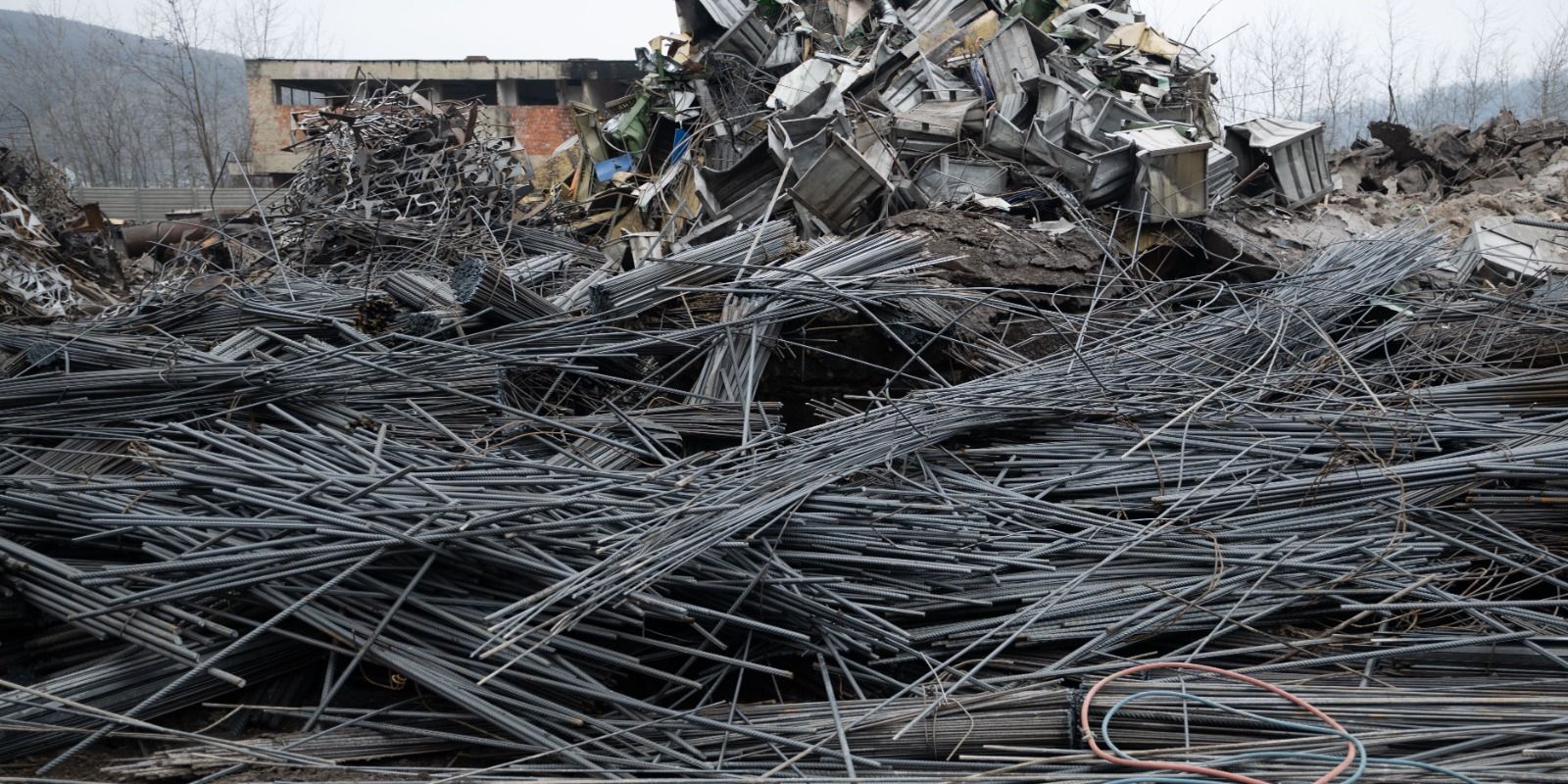
The price of recycled steel per ton is especially relevant for industrial loads, bulk sellers and larger commercial transactions. Businesses with tonnes of steel scrap available should think carefully about how the material is described, because per-ton value is affected by more than weight alone.
Transport is a major factor. A buyer may be interested in a full load at one location but not a smaller or more difficult load elsewhere. Clean, dense, easy-to-load steel scrap is usually more attractive than scattered, light or contaminated material that costs more to move and process.
Bulk sellers should include practical details in their WasteTrade listing: estimated tonnage, collection location, loading access, material form, photographs and whether the supply will continue after the first load.
Larger volumes can be commercially attractive because they give buyers more certainty. Arecycler, merchant or processor may be more willing to engage when the quantity justifies transport and handling. Recurring supply can be even stronger, particularly where the material is consistent.
WasteTrade helps bulk sellers make that opportunity visible. If your business has steel scrap available by the ton, the platform gives you a route to reach verified buyers and recyclers beyond your immediate local network.
Recycled Steel Price Per Pound
Recycled steel price per pound is common in some markets, especially where smaller units are used in price discussions. In the UK and much of Europe, steel recycling prices are more often discussed per tonne.
For WasteTrade, the unit is less important than the commercial facts behind the material. Whethersteelis priced per pound, kilogram or tonne, the same factors apply: grade, quality, quantity, preparation, location, transport and demand.
Because WasteTrade supports global waste and recycling trade, sellers should provide weights clearly. Where relevant, it can help to include both metric and non-metric references, but the listing should still be precise.
A buyer does not need vague wording. They need practical detail.
“Mixed steel scrap available” gives little value. “Approximately 22 tonnes of clean mild steel fabrication offcuts, available monthly with forklift loading on site” gives a buyer something they can assess.
That level of detail matters more than the pricing unit. The aim is to turn a search for steel recycling prices into a real commercial enquiry.
Scrap Steel Recycling Prices
Scrap steel recyclingprices depend heavily on the type of scrap steel being sold. Ferrous scrap can include heavy steel, light iron, plate and structural material, shredded steel, turnings, steel packaging, mixed steel and prepared industrial scrap.
A clean stream of steel offcuts from a factory will usually be easier to place than mixed scrap from a general waste pile. Material that has already been separated from non-ferrous metals and non-metal contaminants may need less handling, which can improve buyer interest.
The main factors affecting scrap steel recycling prices are:
• Grade
• Density
• Cleanliness
• Contamination
• Preparation
• Quantity
• Location
• Transport cost
• Loading conditions
• Buyer demand
• Supply frequency
• Market timing
WasteTrade helps sellers show these factors clearly. A good steel scrap listing should be honest and specific. If the material is contaminated, say so. If it is mixed, say so. If it is clean and separated, make that clear.
Serious buyers prefer accuracy because it helps them price properly. Overstating the quality of material only creates problems later.
Steel Scrap Price
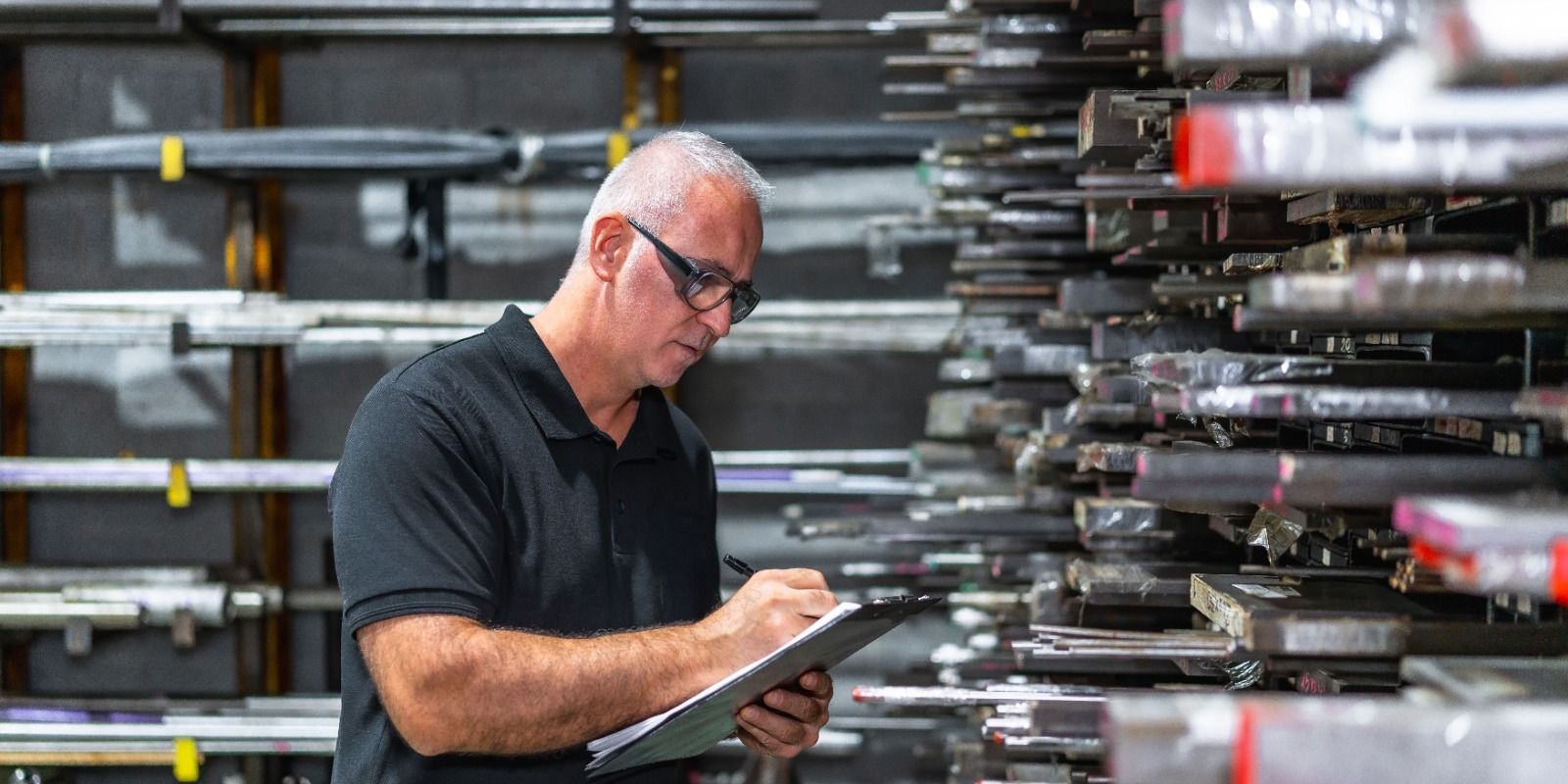
The steel scrap price for any load is the result of several commercial calculations. Buyers consider what the material is worth, what it will cost to collect or receive, what processing it needs, what market it can be sold into and how much risk is involved.
Sellers should think like buyers when preparing a WasteTrade listing.
A buyer will want to know:
• Is the material definitely steel?
• Is itferrousor mixed with other metals?
• How much is available?
• Is it clean?
• Is it safe and practical to collect?
• Can it be loaded quickly?
• Is the supply regular?
• Are photographs available?
• Is the seller verified?
The more uncertainty there is, the more cautious a buyer is likely to be. A vague listing can reduce interest because buyers have to assume extra handling, contamination or wasted transport.
WasteTrade helps reduce that uncertainty by giving sellers a structured way to present steel scrap and giving buyers a verified marketplace to search for material.
Better preparation can improve steel scrap price potential. Separate steel from other waste where possible. Keep ferrous and non-ferrous metals apart. Remove obvious contaminants if practical. Provide realistic weights. Take clear photos. Explain loading access. Say whether the material is available once or regularly.
What Affects Steel Recycling Prices?
Steel recycling prices are mainly affected by material grade, volume, contamination, preparation, transport cost and market demand.
Grade matters because different types of steel scrap have different uses and handling requirements. Heavy steel, light iron, shredded steel, turnings and mixed ferrous scrap will not all be treated in the same way.
Volume matters because transport and handling costs need to make sense. A buyer may be interested in a full load but not in a small quantity that costs too much to collect. Recurring volumes can be valuable because they create supply consistency.
Contamination matters because non-metal materials reduce efficiency. Plastic, rubber, oil, wood, dirt, coatings and mixed metals can all affect the commercial appeal of a load.
Preparation matters because well-sorted material can be easier to handle. Baled, cut, bundled or separated steel may be more attractive than loose mixed scrap, depending on the buyer.
Location matters because freight is a real cost. A steel recycling price in one region may not apply somewhere else once transport is included. For cross-border movement, documentation and compliance can also affect the commercial route.
Market demand matters because scrap steel is part of a wider industrial market. Demand from mills, recyclers, processors and manufacturers can change with steel production, construction activity, manufacturing demand and global trade conditions.
WasteTrade brings these factors into one commercial setting. Sellers can list material with the details buyers need. Buyers can search for supply that fits their requirements.
How To Get The Best Price For Scrap Steel
To get the best price for scrap steel, businesses should focus on preparation, information and access to buyers.
Keep steel apart from general waste where possible. If ferrous and non-ferrous metals are mixed together, the buyer may need to allow for sorting. If steel is mixed with plastic, timber, rubber or insulation, the value may be lower.
Describe the material properly. A WasteTrade listing should give buyers enough information to understand the load quickly. Quantity, location, photographs, contamination, loading access and supply frequency all matter.
Be clear on volume. If your business produces steel scrap every week or every month, say so. Recurring supply can be more attractive than a one-off load because it gives buyers the chance to plan.
Use more than one buyer route. Relying on a single local quote can limit the commercial outcome. WasteTrade helps sellers reach a broader network of verified buyers and recyclers, giving the material a better chance of finding the right route.
Trust also matters. Buyers are more likely to take material seriously when it is listed clearly by a verified seller in a proper marketplace. WasteTrade customersbenefitfrom a platform designed for waste and recyclable commodity trading, not casual one-off contacts.
Steel scrap markets move, and sellers cannot control every price factor. But they can control how well the material is prepared, how clearly it is presented and how widely it is offered to the right buyers.
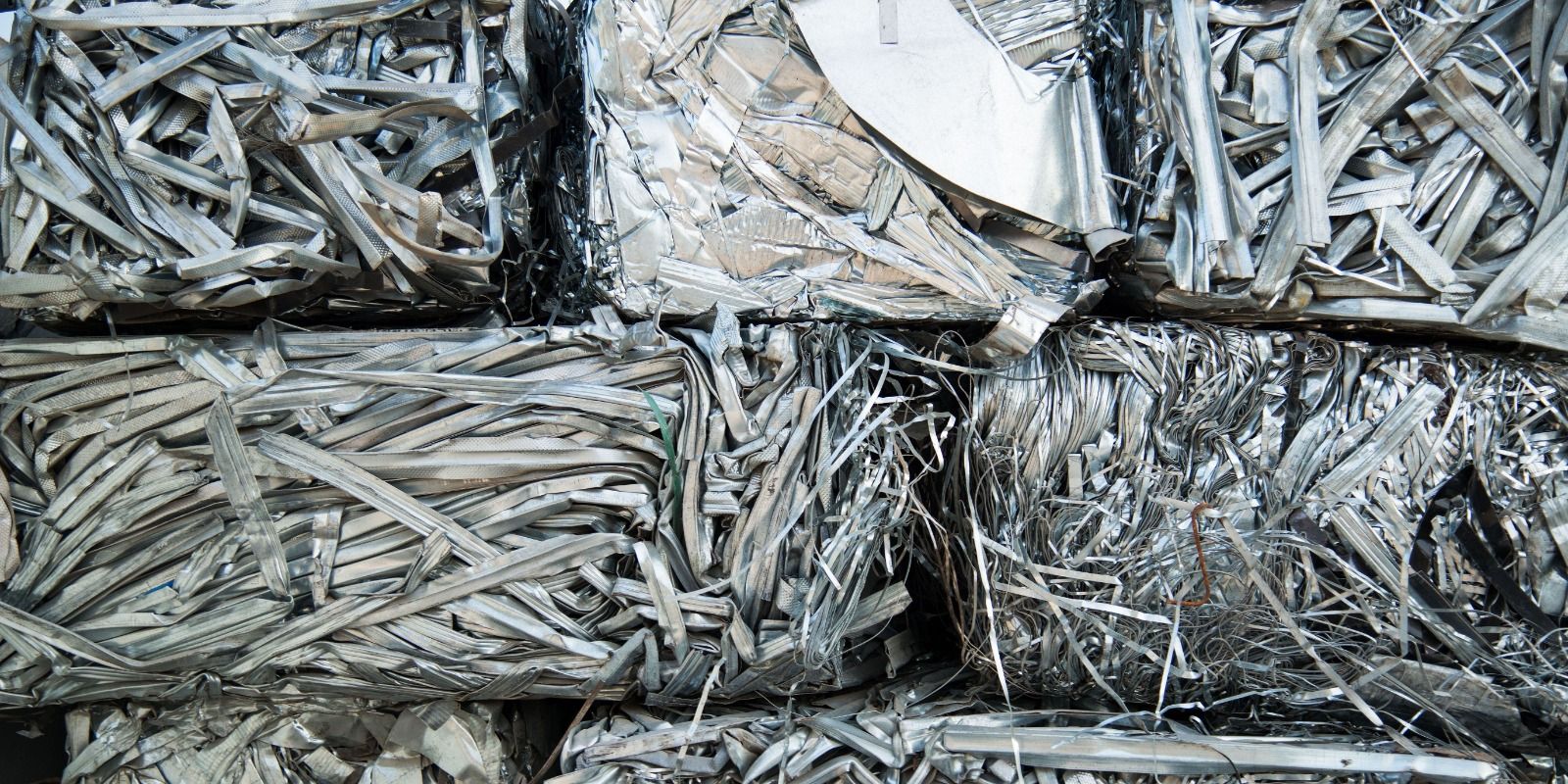
WasteTrade Steel Recycling Prices
WasteTrade steel recycling prices are market-led because the value depends on the actual material and buyer demand at the time of sale. A fixed public number can be misleading if it does not account for grade, quality, volume, location, transport or preparation.
The value of WasteTrade is that it helps sellers test real commercial demand. By listing steel scrap on WasteTrade, a business can show its material to verified buyers andrecyclerswho are actively looking for recyclable commodities.
For buyers, WasteTrade provides visibility of available steel scrap and recycled material from verified sellers. That can help recyclers, merchants, processors and procurement teams find supply that matches their requirements.
WasteTrade prices therefore depend on what is being traded, who wants it, where it is, how it is prepared and what it will cost to move.
For sellers, the best approach is to list the material properly. Include the steel type, quantity, location, photographs, condition, loading details and whether the supply is recurring.
Buying and Selling Steel Scrap on WasteTrade
WasteTrade supports both sides of the steel recycling market. Sellers can list steel scrap, reach verified buyers and move material through a more structured commercial process. Buyers can use the platform to find steel scrap,recycled steel material and other recyclable commoditiesfrom verified sellers.
For sellers, WasteTrade is useful when you have steel scrap available now, generate recurring steel waste, want access to more than one buyer, need support with logistics, want a more secure trading process or need to present material clearly to the market.
For buyers, WasteTrade is useful when you need steel scrap supply, want verified sellers, need clear material information, are looking for recurring supply or want visibility across different locations.
Steel recycling prices are important, but price is not the only factor. A good trade also depends on reliability, documentation, transport, timing and trust. WasteTrade is designed to bring those parts together.
Whether your business is selling scrap steel or buying recycled steel material, WasteTrade gives you a commercial route built around verified counterparties and practical waste trade.
Steel Recycling Prices Near Me
Many businesses search for steel recycling prices near me because they want a fast local answer. Local prices can be useful, but they do not always show the full commercial picture.
A nearby yard may offer convenience. For small loads, that may be enough. For larger volumes, cleaner material, recurring supply or higher-value steel scrap, the best buyer may not be the closest one.
Transport cost matters, but so do demand, grade, preparation and buyer requirements.
WasteTrade helps businesses look beyond a narrow local search. Sellers can list steel scrap and reach verified buyers across a wider marketplace. Buyers can search for material beyond their immediate area and assess whether the volume, grade and logistics make sense.
Steel recycling prices near you are only part of the story. WasteTrade helps connect steel scrap with verified demand.
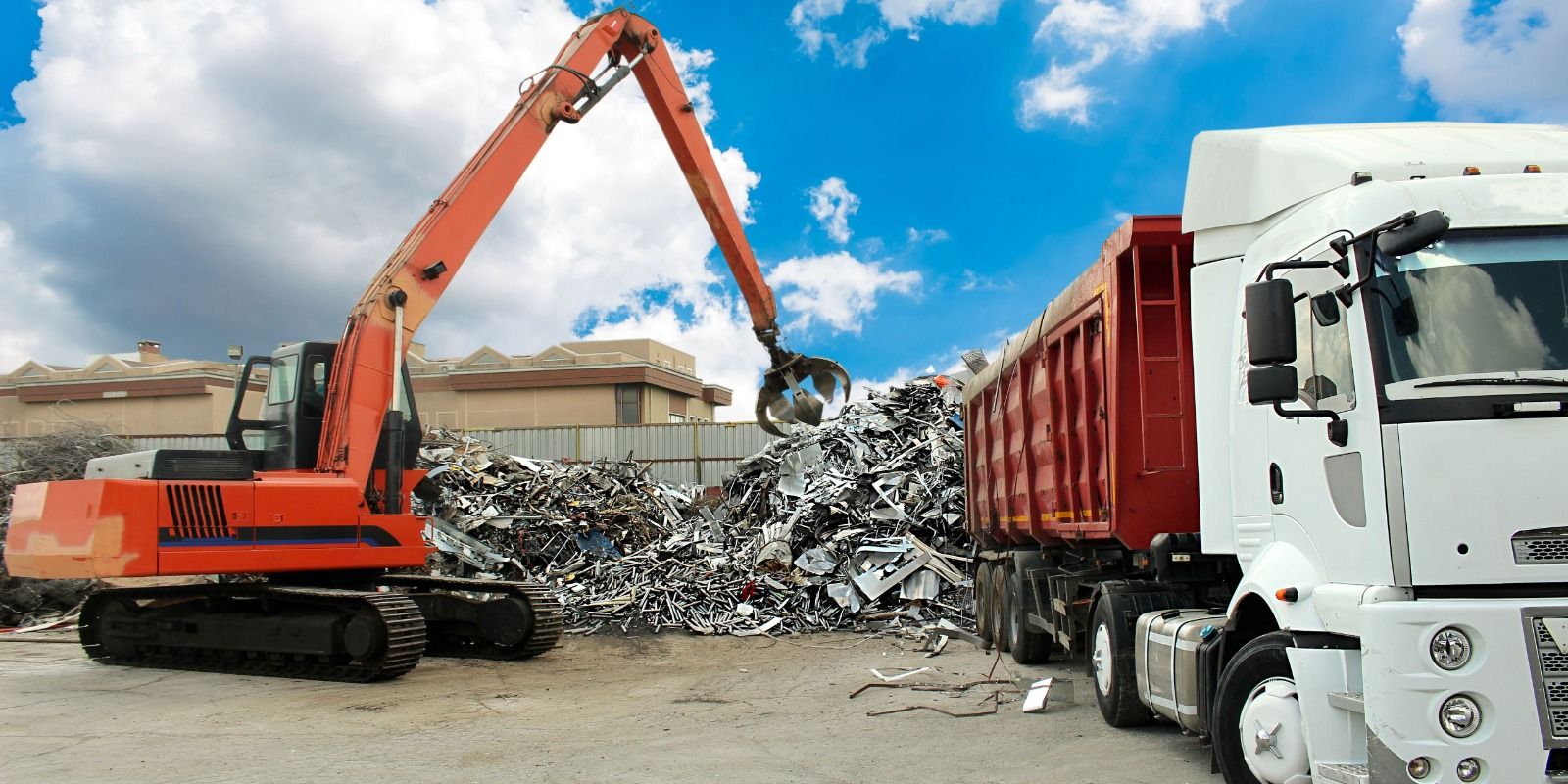
Get a Better Commercial Route for Steel Scrap
Steel recycling prices will always move with the market, but businesses do not have to leave everything to chance. Better commercial outcomes usually come from better preparation, better information and better access to buyers.
WasteTrade helps with buyer access. Sellers can liststeel scrapand present it to a verified marketplace. Buyers can search for available material and make commercial enquiries. WasteTrade can support logistics, compliance and secure trading, helping both sides move from interest to transaction.
If your business has steel scrap available, list it properly. Include the material type, quantity, location, photographs, condition, loading details and whether the supply is recurring. That gives buyers the information they need to assess the opportunity.
If your business wants to buy steel scrap or recycled steel material, WasteTrade gives you a way to find verified sellers and available supply.
Steel recycling prices are important, but price follows the quality of the opportunity. WasteTrade helps businesses make that opportunity visible.
常见问题解答
How are steel recycling prices calculated?
Steel recycling prices are usually based on grade, quantity, cleanliness, preparation, location, transport cost and buyer demand. A fixed price is rarely meaningful unless it is linked to a specific material listing.
Does WasteTrade publish fixed steel recycling prices?
WasteTrade prices are market-led rather than fixed. The value depends on what is being traded, where it is located, how it is prepared and which verified buyers have demand for that material at the time.
How can I get a better price for scrap steel?
Separate steel from general waste where possible, keep ferrous and non-ferrous metals apart, provide clear photographs and give accurate information on quantity, location and loading access. A strong WasteTrade listing helps buyers price the material with more confidence.
Why do scrap steel prices change?
Scrap steel prices move with wider steel demand, regional supply, freight costs, energy costs and buyer requirements. They can also change according to the grade and quality of the material being offered.
Is steel priced per tonne or per pound?
In the UK and much of Europe,steel recyclingprices are often discussed per tonne. In some markets, especially for smaller quantities or US-style searches, prices may be discussed per pound. WasteTrade listings should make weight clear so buyers can assess the material properly.
Does clean steel scrap get a better price?
Clean, separated steel scrap is usually easier for buyers to assess and may be more attractive than mixed or contaminated material. Contamination can add sorting, handling and processing costs, which may affect the price offered.
Can regular steel scrap supply improve buyer interest?
Yes. Recurring supply can be commercially valuable because buyers can plan collections, processing and onward sales. If your business produces steel scrap weekly or monthly, include that in the WasteTrade listing.
Do transport costs affect steel recycling prices?
Yes. Transport can have a major effect on the final commercial outcome. A buyer may be interested in a full, easy-to-load quantity but less interested in a smaller load that is expensive or difficult to collect.
Can I compare steel scrap buyers on WasteTrade?
WasteTrade helps sellers make steel scrap visible to a wider network of verified buyers and recyclers. This gives sellers a stronger route than relying only on a single local quote.
What should I include when asking for a steel recycling price?
Include the steel type, estimated quantity, location, condition, photographs, contamination level, loading access and whether the supply is one-off or recurring. The clearer the information, the more useful the buyer response is likely to be.


