Copper Wire Recycling: Key Information
- Copper wire recycling recovers valuable copper from stripped wire, insulated wiring, electrical cable and other commercial cable scrap.
- WasteTrade connects businesses producing copper wire and cable scrap with verified buyers and specialist processors that understand copper recovery.
- Copper wire scrap value depends on copper content, insulation, cable type, thickness, cleanliness, weight, location and processing requirements.
- Stripped copper wire is generally easier to assess because the recoverable copper content is visible, while insulated wire requires additional processing.
- Copper cable may be stripped, shredded or granulated before copper is separated from insulation and other materials.
- Separating stripped wire, insulated wire and different cable grades helps buyers assess recovery potential more accurately.
- WasteTrade sellers can provide photographs, weights, cable details, packaging and location information so specialist buyers can evaluate loads properly.
- Commercial copper wire recycling turns cable and electrical scrap into a tradeable copper feedstock rather than treating it as general waste.
Copper Wire Recycling
Copper wire recycling becomes commercially valuable when a business can show buyers what is actually recoverable from the load, not just that there is a pile of wire or cable to clear.
That distinction matters. Copper wire, copper cable, wiring scrap and electrical cable are not priced in the same way as clean copper pipe or production offcuts. Buyers are looking at copper recovery. They want to know how much of the load is copper, how much is insulation, whether the material is stripped or unstripped, whether it is mixed with other metals, how it is packaged, where it is located and whether the volume justifies collection or processing.
WasteTrade gives commercial sellers a better route for copper wire recycling because the material can be listed with the details buyers actually need. Electrical contractors, demolition companies, cable installers, facilities teams, utilities contractors, manufacturers, recyclers, data-centre operators and waste management businesses can all produce wire and cable scrap that deserves more than a rushed local disposal route.
The value in copper wire recycling is often won or lost before the material reaches a processor. If stripped copper wire is mixed with low-grade insulated wire, the buyer may price the load cautiously. If heavy copper cable is hidden inside general electrical waste, it may not attract the right attention. If the listing has poor photos and vague weights, buyers have to guess.
WasteTradehelps sellers avoid that. A good listing gives verified buyers a clear view of the material: copper wire, copper cable, scrap wire, stripped or insulated, loose or baled, mixed or sorted, one-off or recurring. Buyers can then assess the load based on copper recovery, processing suitability and logistics.
For buyers, WasteTrade creates access to copper-bearing wire and cable streams that may not be visible through their usual supply routes. For sellers, the platform helps turn cable and wiring scrap into a stronger commercial opportunity.
Copper wire recycling is not just about finding somewhere that accepts wire. It is about getting the load in front of buyers who understand what the wire is worth.
Scrap Copper Wire Rate
Scrap Copper Wire Rate depends on copper content, insulation, sorting, load size, location and the buyer’s processing route.
A seller may think of wire as one category, but buyers do not. Bright stripped copper wire, heavy insulated cable, building wiring, data cable, mixed electrical leads and low-grade wiring all have different recovery profiles. Some material is close to clean copper. Some contains a high proportion of plastic, rubber or other non-copper material. Some needs stripping. Some needs granulation and separation.
WasteTrade sellersshould treat scrap copper wire rate as the outcome of a proper material assessment, not as a fixed figure that applies to every load. A buyer needs to see what the wire is before judging the rate. That means clear photographs, accurate weight, location, packaging, storage condition and a description of whether the wire is stripped, insulated, mixed, loose, baled or boxed.
The strongest listings make the buyer’s job easier. If a seller can show a clean, separated wire stream, buyers can assess it more confidently. If the load is mixed, that is still worth listing, but the seller should describe the mix honestly.
WasteTrade is useful because different buyers value wire differently. A specialist cable processor may understand the recovery value of a load that a general scrap buyer would price cautiously.
Copper Wire Scrap Price
Copper Wire Scrap Priceis driven by recoverable copper, not just gross weight.
This is where many sellers misjudge the material. A tonne of stripped copper wire is not equivalent to a tonne of insulated mixed wire. The stripped wire is largely recoverable copper. The insulated wire includes plastic or rubber that must be removed before the copper can be returned to market. Buyers will account for that difference.
WasteTrade helps sellers present copper wire scrap in a way that supports stronger buyer confidence. A listing should explain the wire type if known, whether it is stripped or insulated, the approximate or confirmed weight, how it is stored, where it is located and whether collection access is straightforward. If the material is available regularly, that should be included because recurring supply can be more attractive than a one-off clearance.
Copper wire scrap price is also affected by who sees the load. A buyer with cable processing equipment may assess insulated wire differently from a buyer who prefers clean copper. A buyer looking for regular feedstock may be more interested in recurring electrical scrap from a contractor or manufacturer.
WasteTrade gives sellers a route to those buyers. The better the listing, the better the chance of the material being judged on its real recovery value.
Copper Cable Scrap Price
Copper Cable Scrap Price depends on cable type, insulation, copper percentage, armouring, thickness, contamination and buyer capability.
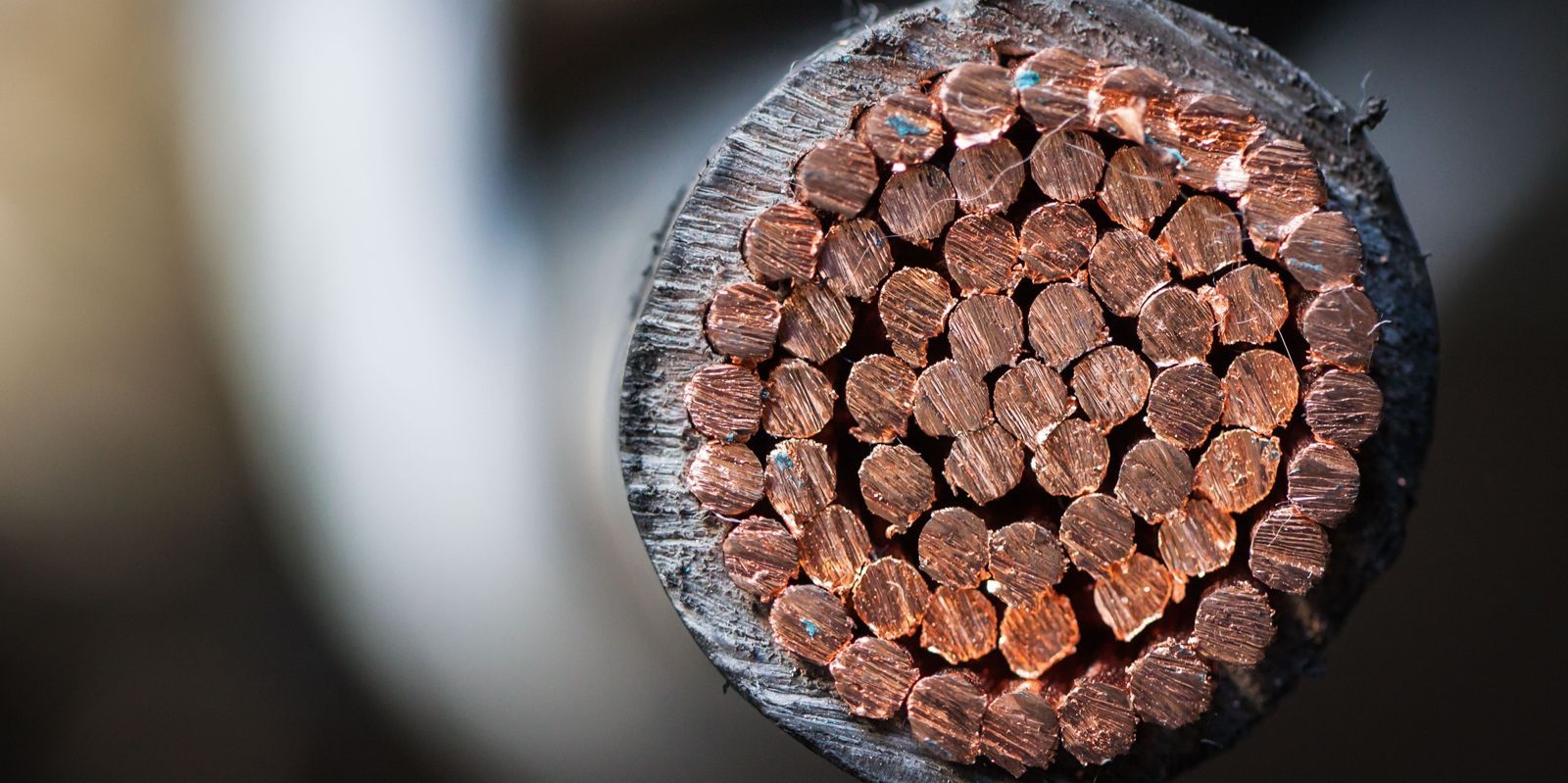
Copper cable can be a valuable scrap stream, but it is not a simple one. The total weight of the load includes more than copper. Depending on the cable, it may include insulation, sheath material, plugs, connectors, steel armouring, aluminium and other components. Buyers need to understand how much usable copper can be recovered and how much work is required to recover it.
On WasteTrade, cable sellers should be specific. Good photos matter. A distant image of a pile of cable does not give buyers enough confidence. Show the cable type, thickness, condition and packaging. State whether it is loose, baled, boxed, palletised or stored in stillages. If the load contains mixed cable types, say so clearly.
Copper cable scrap price can vary sharply because different buyers have different equipment and tolerances. A specialist cable recycler may be more comfortable with insulated or mixed cable than a generalmetals buyer. A buyer with granulation and separation capacity may be better placed to judge recovery value.
WasteTrade helps sellers reach the buyers most likely to understand copper cable, rather than forcing a specialist material through a generic scrap route.
Copper in Wiring
Copper in Wiring is what gives redundant electrical material its commercial value.
Wiring is used because copper conducts electricity reliably. When wiring is removed from buildings, machinery, infrastructure, data systems or industrial equipment, the copper inside it can often be recovered. That does not mean every wiring load has the same value. It means the seller should treat wiring as a copper-bearing material stream that needs proper assessment.
For commercial sellers, the challenge is that copper in wiring is not always visible in the same way as clean scrap. Insulation, plugs, connectors, mixed gauges and different wire types can make the load harder to judge. Buyers therefore look at likely copper recovery rather than simply total weight.
WasteTrade sellers should list wiring scrap with enough information to remove guesswork. If the wiring is mainly copper, say so. If it is mixed with aluminium, plugs or other electrical waste, say so. If some wire is stripped and some is insulated, separate it where practical and list the details clearly.
Copper in wiring can be valuable torecyclers, but it needs to be made visible. WasteTrade helps turn that hidden recovery value into a proper buyer conversation.
Copper Wire Price
Copper Wire Price is affected by copper markets, but the form of the wire has just as much influence on the final commercial result.
Clean stripped wire gives buyers a clearer view of the recoverable copper. Insulated wire requires more judgement. Mixed wire creates more uncertainty, especially where the load includes different gauges, coatings, plugs, connectors or non-copper material. Buyers price that uncertainty.
WasteTrade customers should not think of copper wire price as one number that applies to every load. The price depends on the wire type, preparation level, weight, location and buyer demand. A seller who provides strong material details is in a better position than one who offers a vague description.
For commercial sellers, a WasteTrade listing should be written for the buyer’s assessment. What is the material? How much is there? Is it stripped or insulated? Is it clean or mixed? Is it one-off or recurring? Can it be collected easily?
Copper wire price becomes more meaningful when buyers have enough information to judge the material properly. WasteTrade gives sellers the place to present that information and gives buyers the opportunity to find suitable wire scrap.
Copper Cable
Copper Cable should be treated as a distinct scrap stream because its value is tied to recovery, not appearance.
Commercial copper cable can come from electrical installations, demolition sites, industrial maintenance, utilities work, telecoms, data centres, manufacturing, construction projects and waste electrical equipment. Some cable is copper-rich and commercially attractive. Some is mixed, thin, low-grade or difficult to process. Some contains armouring or attachments that affect value.
WasteTrade sellers should avoid hiding copper cable inside general scrap. If cable is mixed with other waste, buyers may struggle to assess it and may price the whole load cautiously. If cable is separated and described properly, buyers can judge it on its own merits.
A strong copper cable listing should show cable type, thickness, weight, packaging, location and whether the load is sorted or mixed. If there are several grades, this should be clear. If the supply is recurring from site works or installation activity, that should also be stated.
Copper cable often needs specialist buyers. WasteTrade helps sellers place that material in front of verified buyers who understand cable recovery and can assess whether the load fits their process.
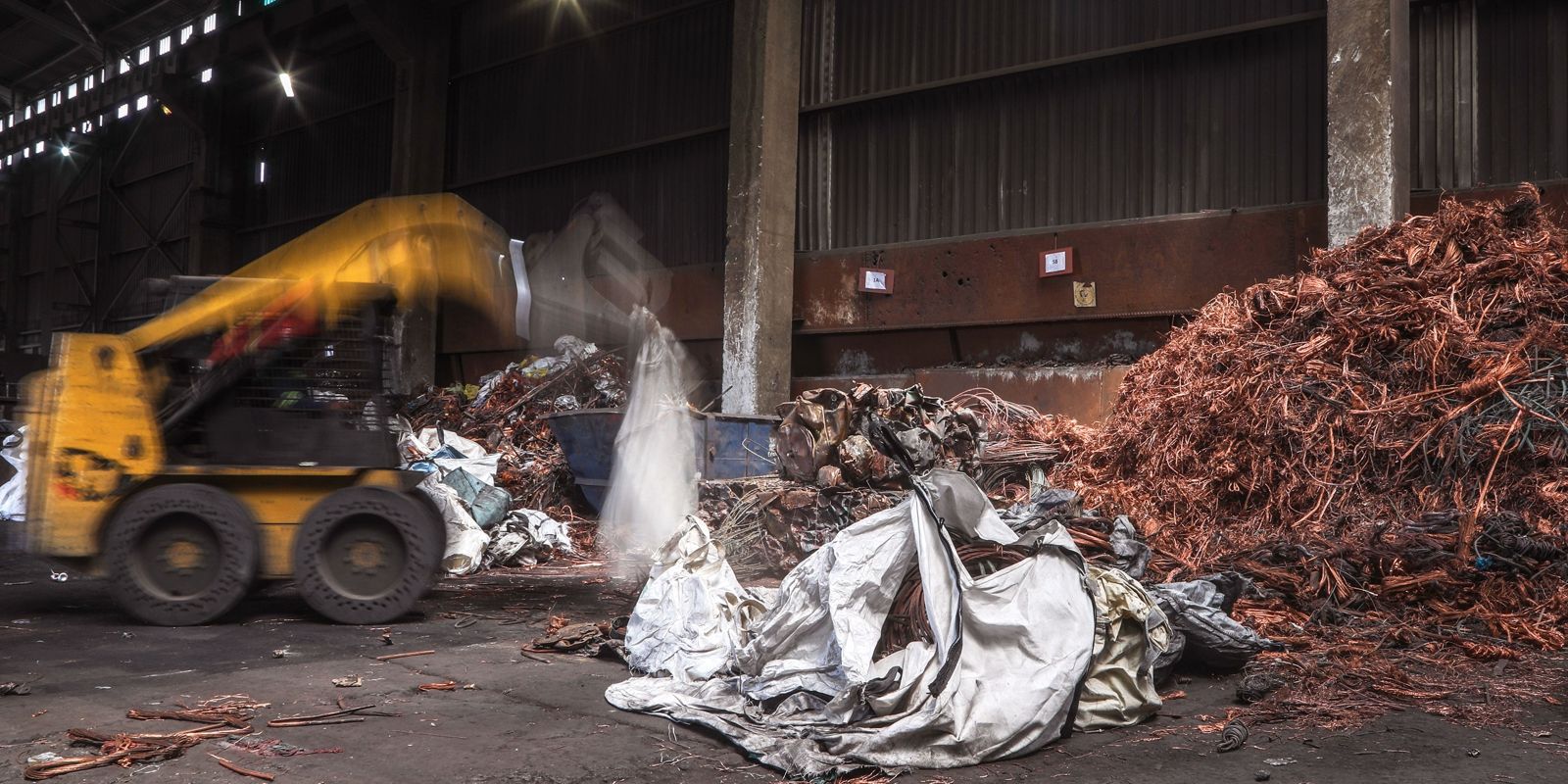
Copper Wire Recycling Services
Copper Wire Recyclingstarts with how the material is handled before sale.
A seller can lose value by mixing grades, failing to separate stripped and insulated wire, leaving copper cable in general electrical waste or providing weak listing information. A buyer can only price what they can understand. If the material is unclear, the buyer has to allow for risk.
Commercial copper wire recycling through WasteTrade gives sellers a more disciplined route. The material can be photographed, weighed, described and listed for verified buyers. That is useful because wire and cable buyers often specialise. One buyer may want stripped copper wire. Another may be looking for insulated cable. Another may have capacity for mixed electrical scrap.
The physical recycling process may involve stripping, shredding, granulation and separation. But the commercialrecyclingprocess begins earlier. It begins when the seller decides to present the load properly.
Copper wire recycling works best when the seller makes the copper recovery opportunity easy to see. WasteTrade supports that by giving buyers the information they need and giving sellers access to a wider marketplace.
Copper Wire Prices Scrap
Copper Wire Prices Scrap searches usually come from sellers trying to find out whether their wire is worth moving now.
The answer depends on the material. Stripped copper wire is usually easier to value because the copper is visible. Insulated wire can still carry strong value, but the buyer has to account for insulation and processing. Mixed electrical wire can vary widely because the copper percentage is harder to judge.
WasteTrade prices are not a single flat rate applied to every wire load.WasteTrade is a marketplace, so the commercial outcome depends on material quality, buyer demand, logistics and the information provided in the listing. That is how the market actually works.
For sellers, this means the listing must do its job. Photographs should show the wire clearly. Weight should be stated. The description should explain whether the material is stripped, insulated, mixed, loose, baled, boxed or palletised. Collection details should be included.
Copper wire prices scrap intent should lead to a practical next step: list the material properly and let verified buyers assess the recovery value.
Scrap Wire
Scrap Wire is too broad a term to use on its own if the material contains recoverable copper.
A load described only as scrap wire may include copper wire, aluminium wire, insulated cable, data cable, electrical leads, plugs, connectors and other mixed material. Buyers may price it cautiously because they do not know what they are dealing with. If the seller knows the load is copper-rich, that needs to be made clear.
On WasteTrade, sellers should identify the wire stream as accurately as possible. If it is copper wire scrap, list it as copper wire scrap. If it is copper cable scrap, say so. If it is mixed wire with uncertain copper content, describe the mix honestly and show it clearly.
Scrap wire can still be a good commercial opportunity, particularly where volumes are useful or supply is recurring. But the seller has to help buyers understand the load. A broad label is not enough.
WasteTrade helps turn scrap wire from a vague waste category into a clearer material listing that verified buyers can assess.
Scrap Copper Wire Prices
Scrap Copper Wire Prices vary because buyers are pricing copper recovery, processing effort and risk.
A clean, stripped wire load is easier to assess than a mixed bin of insulated wire, plugs and electrical offcuts. Heavy cable may have a better recovery percentage than thin mixed wiring. A sorted load may attract stronger interest than a mixed load of uncertain composition.
WasteTrade sellers can improve the quality of buyer response by giving clear evidence of what is available. Photos should not hide the material. Weight should be realistic. The listing should explain whether the wire is stripped, insulated, sorted, mixed, loose or packaged.
Scrap copper wire prices also depend on buyer specialism. A processor with granulation equipment may see value where a general scrap buyer sees extra work. A buyer looking for steady feedstock may respond differently to recurring supply than to a one-off small clearance.
WasteTrade gives sellers a wider route to relevant buyers, which is particularly important for wire and cable because the right buyer can understand recovery value more accurately.
Copper Wire Scrap
Copper Wire Scrap is produced by electrical contractors, demolition teams, cable installers, manufacturers, facilities teams, utilities contractors, telecoms work, data-centre projects and waste electrical processing.
The material may include offcuts, redundant wiring, stripped copper wire, insulated copper wire, mixed electrical wire or recovered site cable. Some loads are high-grade. Others need sorting or specialist processing. The commercial value depends on how clearly the material is identified and how well it is presented to buyers.
WasteTrade gives copper wire scrap a structured route to market. Instead of treating it as loose electrical waste, sellers can list it as a copper-bearing material stream. Buyers can then assess whether it suits their recovery process.
The strongest seller practice is to separate what can be separated. Keep stripped copper wire apart from insulated wire where practical. Do not mix copper-rich wire with low-grade waste unless unavoidable. Store the material in a way that can be photographed, weighed and collected.
Copper wirescrapdeserves that care because the copper inside it remains valuable.
Copper Cable Scrap
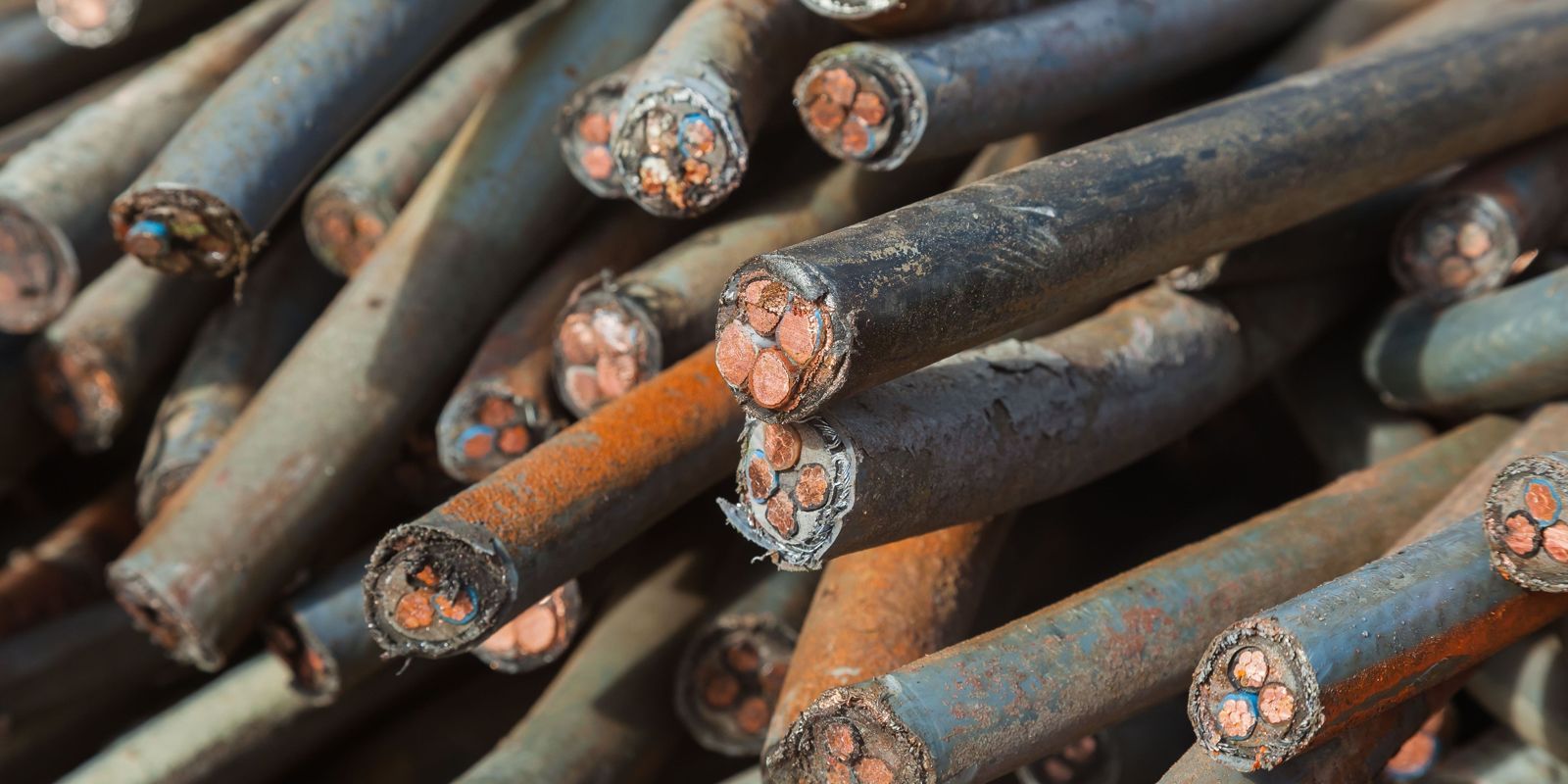
Copper Cable Scrap can be one of the most important copper recovery streams for businesses working in infrastructure, electrical installation, demolition, utilities, telecoms, data centres and industrial maintenance.
Its value depends on copper content and processing suitability. Insulation, sheath material, armouring, plugs, connectors, mixed grades and contamination all affect how a buyer assesses the load. A heavy copper-rich cable may attract specialist interest. Thin mixed cable may still be saleable, but it may be priced more cautiously.
WasteTrade sellers should makecopper cable scrapeasy for buyers to understand. The listing should include clear photos, total weight, cable type if known, whether the material is mixed or sorted, packaging, location and collection access. If the cable is available on a recurring basis, that should be stated because repeat supply can be commercially attractive.
Copper cable scrap is not always best handled by the nearest general buyer. Specialist processors may be better placed to assess recovery value. WasteTrade helps sellers reach those verified buyers and helps buyers source cable material with clearer detail.
For commercial cable loads, the right buyer matters. WasteTrade exists to help make that match.
FAQs
What Affects Copper Wire Scrap Price?
Copper wire scrap price is affected by copper content, insulation, wire thickness, cleanliness, grade, weight, location, packaging, market movement and buyer demand for thisnon-ferrous metal.
Is Stripped Copper Wire Worth More Than Insulated Wire?
Usually, yes. Stripped copper wire is easier to assess and process, while insulated wire includes non-copper weight and requires recovery work.
Can I Sell Copper Wire on WasteTrade?
Yes. Businesses can list copper wire scrap on WasteTrade so verified buyers can assess the material and make contact.
Can I Sell Copper Cable on WasteTrade?
Yes. Copper cable can be listed on WasteTrade with photos, weight, location, packaging and details on insulation, armouring or mixed grades.
Should I Strip Copper Wire Before Selling It?
It depends on volume, labour cost, equipment and buyer demand. For larger or mixed loads, it may be better to list the material clearly and let specialist buyers assess it.
What Is the Difference Between Copper Wire and Copper Cable?
Copper wire usually refers to individual conductive wire, while copper cable can contain multiple wires, insulation, sheathing and sometimes armouring or connectors.
Why Does Insulation Affect Copper Wire Value?
Insulation adds non-copper weight and must be removed or processed before the copper can be recovered, so buyers account for it in the price.
What Details Should I Include in a Copper Wire Listing?
Include wire type, weight, photos, whether it is stripped or insulated, location, packaging, contamination, collection access and whether the supply is one-off or recurring.
Who Buys Copper Cable Scrap?
Copper cable scrap may be bought by cable recyclers, copper processors, scrap metal buyers,recyclablemetal traders and recycling facilities with granulation or separation equipment.
Does WasteTrade Set Copper Wire Prices?
WasteTrade is a marketplace. Copper wire prices are shaped by buyer demand, material quality, recovery value, market conditions,logisticsand listing detail.


