Brass: Key Information
- Brass is a non-ferrous alloy made primarily from copper and zinc.
- Brass composition varies by grade, with some alloys also containing lead, tin, silicon, aluminium, nickel or bismuth.
- Most brass is not magnetic, although steel attachments or brass-plated steel may respond to a magnet.
- Brass can tarnish and corrode, but it does not rust in the same way as iron or steel.
- Brass differs from bronze, which traditionally uses tin as the principal alloying element with copper.
- Common brass uses include plumbing fittings, valves, electrical components, hardware, machinery and architectural products.
- Businesses can buy and sell commercial brass materials through WasteTrade by specifying the alloy, form, quantity, location and required quality.
Brass
Brass is a commercially important copper alloy used throughout manufacturing, plumbing, engineering, electrical systems, transport, architecture and many other industries. It is not one fixed material. Different brass grades contain different proportions of copper, zinc and other alloying elements, which affects how they perform, how they are identified and how they are traded as secondary material.
For businesses producing brass scrap,WasteTradeprovides a route to verified recyclers, processors and industrial buyers. Sellers can offer clippings, rod ends, turnings, tube, castings, fittings and other commercial quantities, while buyers can post requirements for the alloy families, forms and volumes they need. WasteTrade also supports the transaction with logistics coordination, documentation and payment handling.
The commercial starting point is simple. A buyer needs to know what the brass is, what form it is in, how much is available, where it is located and what may be mixed with it. The more clearly those points are described, the easier it is to match the material with a suitable destination.
Sell brass scrap on WasteTrade
Is Brass Magnetic?
Is brass magnetic? Ordinary commercial brass is not strongly attracted to a magnet because copper and zinc arenot ferromagneticmetals. A magnet is useful as a quick sorting tool, but it should be treated as an initial check rather than proof that an item is brass.
Strong attraction usually points to iron or steel. In a scrap load, that could mean steel screws, internal inserts, mixed ferrous turnings or a brass-coloured coating over a steel base. Little or no attraction only tells you that the item is unlikely to contain a large amount offerrous metal. Copper, bronze,aluminiumand severalstainless steelscan also show little magnetic response.
For commercial brass, this matters because ferrous attachments can reduce the payable brass content and increase preparation cost.WasteTradesellers should identify obvious steel content in photographs and descriptions, while buyers can set limits for free iron or attached ferrous material where the receiving process requires it.
Brass vs Bronze
Brass vs bronze is primarily a difference in alloy system. Brass is principally copper and zinc. Traditional bronze is principally copper and tin, although modern bronze families can also use aluminium, silicon, nickel and other alloying elements.
The distinction is not always obvious by colour. Copper-rich brass can look red, some bronzes can look yellow, and plating, tarnish or dirt can hide the basemetal. Historical trade names add another complication because some alloys sold under names containing the word bronze are chemically closer to brass.
From a trading perspective, the important point is compatibility. A brass mill, bronze foundry and copper-alloy refiner may have different chemistry limits and different uses for similar-looking scrap. Mixing the wrong material into a controlled stream can lead to a lower offer, a receiving downgrade or rejection. On WasteTrade, sellers should use the known alloy designation or source application where possible, while buyers should describe measurable acceptance limits rather than relying on colour alone.
What Is Brass Made Of?
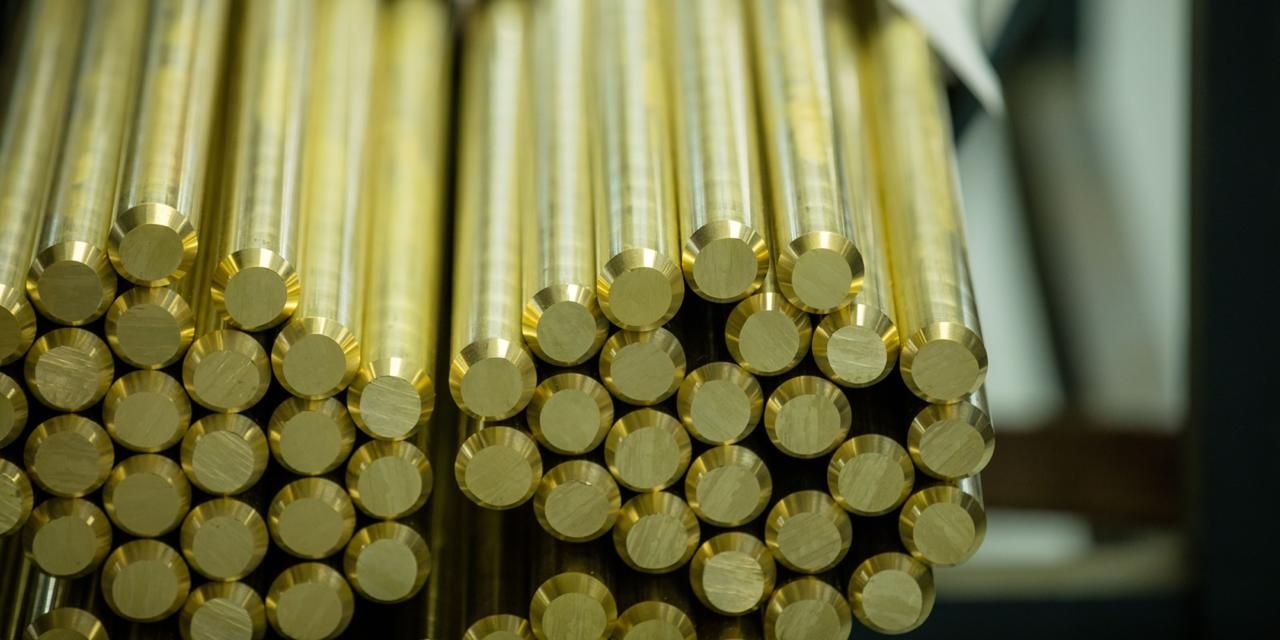
What is brass made of? Brass is made mainly from copper and zinc. The proportion of each metal changes from grade to grade, and other elements may be added in controlled quantities to give the alloy particular manufacturing or service properties.
Lead is used in some traditional free-machining brasses. Tin can improve performance in certain corrosive environments. Silicon and bismuth appear in some low-lead or lead-free systems. Aluminium, nickel and manganese are used in specialist alloys where strength, corrosion resistance or another property is required.
This section is about the ingredients, not the exact recipe. The detailed composition of individual grades appears later on this page. For commercialscrap, the practical implication is that two loads may both be correctly described as brass while being unsuitable for the same buyer. Source information, alloy markings, production records and representative analysis can all help establish what is actually present.

What Is Brass?
What is brass? Brass is a family of non-ferrous copper-zinc alloys made in wrought and cast forms. It is produced as sheet, strip, rod, bar, tube, wire, forgings and castings, then formed or machined into components used across industry.
Wroughtbrassis designed to be rolled, drawn, extruded, forged or machined. Cast brass is poured into shaped components such as valves, pump bodies, fittings, bearings and hardware. The proportion of zinc affects the metal structure and therefore how easily a grade can be cold formed, hot worked, machined or cast.
That range of manufacturing routes is also what creates commercial brass scrap. A stamping operation may produce clean skeletons and clippings. A machine shop may produce one known alloy of turnings every week. A refurbishment contractor may recover mixed valves and fittings with steel, plastic or ceramic attachments. WasteTrade provides a market route for these secondary materials, but the description should reflect the actual stream rather than treating every brass load as interchangeable.
Does Brass Tarnish?
Does brass tarnish? Yes. Exposure to air, moisture, handling and chemicals can dull or darken the surface and may produce brown, grey or greenish films. Tarnish is a surface reaction and does not automatically mean that the underlying brass has lost its commercial value.
For scrap trading, tarnish should be kept separate from the idea of dirty brass. A tarnished but otherwise homogeneous brass component can still be a clean metallic solid. Dirty or attached brass usually contains materials such as steel, plastic, rubber, solder, ceramic, oil or sediment that reduce recoverable metal content or increase processing cost.
Sellers do not need to polish brass before listing it on WasteTrade. Clear photographs of representative pieces are more useful. Where identification is uncertain, an exposed or freshly filed area can help show the base metal without disguising the condition of the load.
Brass Melting Point
Brass melting point varies by alloy, so brass does not have one exact melting temperature. Each grade has a melting range between the point where it starts to soften and melt and the point where it becomes fully liquid.
Many common brasses melt within the high hundreds of degrees Celsius, but the precise range depends on zinc content and other alloying elements. For arecycleror foundry, this is not merely a technical detail. Furnace behaviour, zinc loss, dross formation and final chemistry all depend on the charge.
A clean, identified brass stream can be charged with more confidence than a mixed load containing unknown alloys, coatings, oils or attachments. That is why industrial buyers frequently ask for the source and specification of the material before agreeing a price. Brass melting should also only be carried out with appropriate industrial extraction and safety controls, especially where leaded alloys, zinc-bearing fumes, oils or coatings may be present.
Does Brass Rust?
Does brass rust? Not in the strict sense. Rust is the common term for iron oxides formed when iron or steel corrodes. Brass can tarnish and corrode, but it does not itself produce iron rust unless the item contains a ferrous component or contamination.
Rust-coloured staining on a brass object may come from steel screws, internal springs, iron inserts, contact with ferrous material during storage or a brass coating over a steel base. In a commercial load, that can be an early warning that some of the gross weight is not brass.
WasteTrade sellers should photograph attached materials clearly and avoid describing a complete assembly as solid brass where that is not the case. Buyers can then decide whether they are prepared to accept the item as an assembly, require dismantling or apply an agreed recovery basis.
Brass Metal
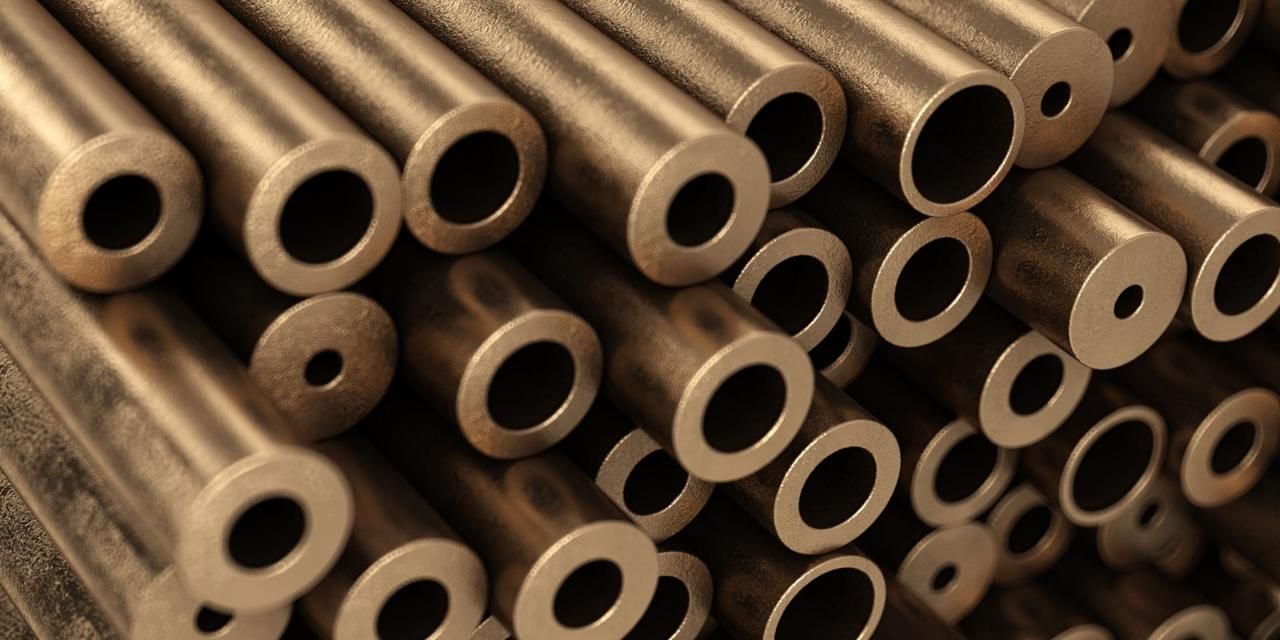
Brassmetal moves through a commercial chain that includes alloy producers, semi-fabricators, component manufacturers, engineering firms, contractors, scrap processors, recyclers, foundries and mills. Depending on its condition and legal status, it may be traded as finished stock, reusable material, production scrap or secondary raw material.
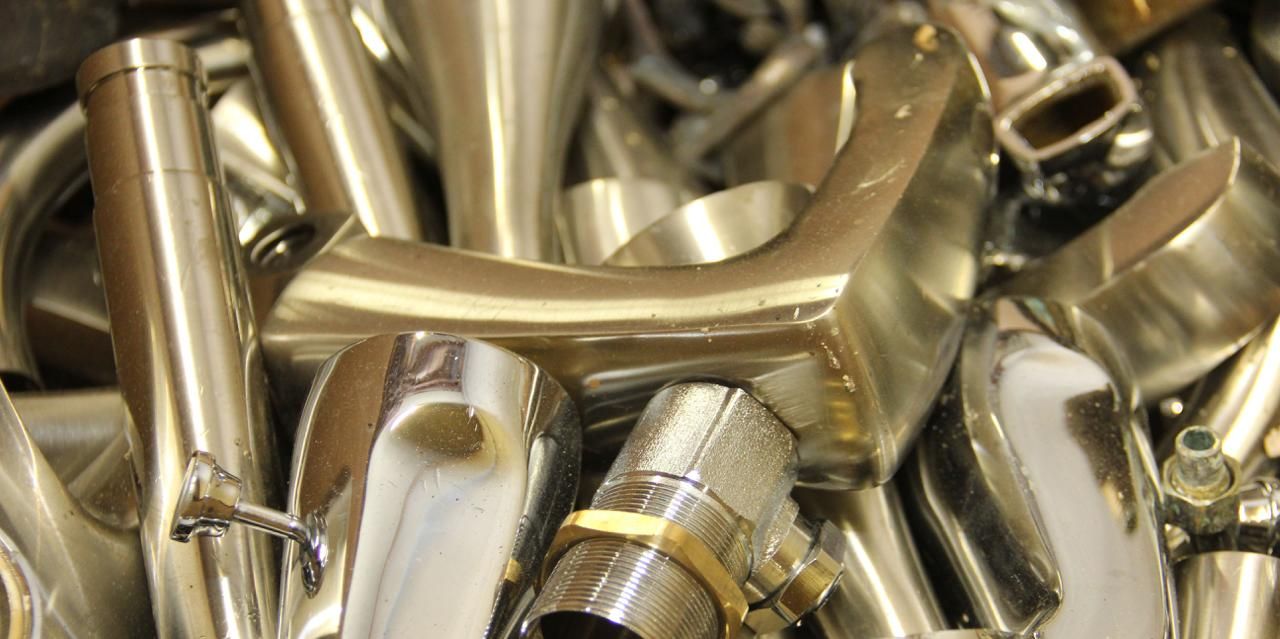
Common saleable forms include sheet offcuts, tube, rod ends, forgings, castings, turnings, rejected components and end-of-life fittings. Their commercial treatment is not the same. Clean clippings may be suitable for direct remelting, while complete taps can contain steel, plastic and ceramic components. Turnings may contain oil, water, fines and free iron.
WasteTrade is designed for business-to-business material trading. Sellers can present the material in terms an industrial buyer recognises, including grade, form, one-off or recurring quantity, packaging, country, collection conditions and available analysis. Buyers can post requirements stating the chemistry, form, monthly demand, permitted contamination and destination they can accept.
This gives businesses an alternative to selling every load through a local scrap yard.Scrapyards remain an important part of therecyclingchain, particularly for small and mixed quantities. WasteTrade is aimed at commercial volumes where matching the material withrecycleror end-user demand can create another route to market.
Have commercial brass available? List the material on WasteTrade with its grade, form, quantity and location.
Brass vs Copper
Brass vs copper is a comparison between an alloy and a pure metal. Copper is a chemical element. Brass contains copper together with zinc and, depending on the grade, other controlled alloying elements.
Copper is usually reddish, while many common brasses are yellow or gold-coloured. Brass is generally harder and easier to machine than unalloyed copper, while copper usually has substantially higher electrical and thermal conductivity. Copper-rich red brass can narrow the visual difference, so colour should never be treated as final proof.
In scrap markets, clean high-grade copper will usually command more per tonne than comparable brass because it contains a higher proportion of copper and may require less alloy adjustment. That does not mean every copper-bearing load is automatically worth more than every brass load. Purity, form, quantity, contamination, recovery and buyer demand still matter.
For WasteTrade customers, separation is the useful lesson. Keeping copper and brass apart protects both streams and gives buyers a clearer basis for pricing.
Brass Composition
Brass composition is the detailed chemistry of a particular grade. There is no universal copper-to-zinc ratio. Cartridge brass is commonly close to 70 per cent copper and 30 per cent zinc. Wrought red brass contains considerably more copper. Free-cutting, naval, silicon and cast composition brasses introduce other elements in controlled ranges.
For a commercial assay, the relevant elements can include copper, zinc, lead, tin, iron, nickel, aluminium, manganese, silicon and bismuth. Which elements matter most depends on the receiving process. A rod mill may be particularly sensitive to silicon and bismuth. A red-brass foundry may focus on copper, tin, zinc and lead. A low-lead producer will have strict lead limits.
The way the composition was established also matters. A seller declaration, handheld XRF result, mill certificate and independent laboratory analysis do not provide the same level of evidence. For turnings, granules or mixed pieces, representative sampling is as important as the instrument because a few readings from the surface do not necessarily describe the whole load.
WasteTrade sellers with analysis available should upload it with the listing. Buyers can then judge whether the material fits their process before transport is arranged.
Brass Density
Brass density depends on composition, but many common grades are around 8.3 to 8.8 grams per cubic centimetre. Copper-rich and cast grades can sit towards the denser end of that range, while other alloy systems differ slightly.
Density can support preliminary identification. A solid brass component will feel substantially heavier than a similarly sized aluminium item, for example. It is less useful for hollow fittings, mixed assemblies, objects containing sediment or plated items where the surface is not the same material as the core.
There is also alogisticsconsequence. Solid brass is dense, so a vehicle or container can reach its legal weight limit before the available space is full. Loose turnings have a lower bulk density, occupy more volume and can retain liquid. WasteTrade listings should therefore state realistic gross and net weights, packaging and loading arrangements so the buyer and haulier can assess the movement properly.
Brass Alloy
Brass alloy grades are designed around how the metal will be manufactured and what the finished component must do. Wrought brasses are formulated for processes such as rolling, drawing, extrusion, forging and machining. Cast brasses are designed to fill moulds and deliver the required strength, corrosion resistance and service performance.
Within those broad groups are leaded, low-lead, tin-bearing, silicon, aluminium, manganese and other specialist families. Recognised designations such as UNS or EN grades are useful because they indicate expected chemistry in a controlled production stream.
Scrap introduces another layer of uncertainty. A load collected from several sources may contain more than one grade, and a finished component can include solder, plating or attachments. Known-alloy manufacturing scrap is therefore easier to place than unidentified mixed metal.
WasteTrade customers producing recurring scrap should keep alloy streams separate where practical, preserve material certificates and record process changes. In particular, leaded, silicon and bismuth brass should not be mixed casually because cross-contamination can narrow the number of suitable consumers.
Brass Properties
Brass properties vary with composition and manufacturing condition, but the alloy family is valued for a useful combination of machinability, formability, castability, strength, corrosion resistance and appearance. Those characteristics explain its widespread use in engineering and consumer products.
Different properties create different secondary-material streams. Stamping produces clippings and skeletons. Machining produces turnings and swarf. Casting produces gates, risers and rejected components. Long service in plumbing and engineering produces end-of-life fittings, valves and hardware that may contain attachments.
For a buyer, the relevant question is not whether a load is simply good brass. It is whether the specific alloy, form and condition fit the receiving process. That is why WasteTrade listings should be specific enough to support a real commercial decision rather than relying on broad quality labels.

Brass Uses
Brass uses cover plumbing, electrical equipment, transport, industrial machinery, architecture, marine engineering, musical instruments and consumer products. The alloy used for a tap body is not necessarily the alloy used for a cartridge case, condenser tube or precision-machined connector.
Common applications include taps, valves, fittings and water meters; electrical terminals and connectors; radiators and heat exchangers; bearings, bushings, gears and fasteners; locks, handles and hinges; marine hardware; musical instruments; decorative products; and precision-machined components.
Each application can create a recognisable scrap stream. A machine shop may generate one grade of brass turnings every week. A stamping operation may produce clean clippings. A contractor may recover mixed valves during refurbishment. The source can therefore give a buyer valuable information about likely chemistry and contamination.
If your business produces brass, describe the alloy or best available grade, physical form, quantity, location and supporting evidence when listing on WasteTrade. If your business consumes secondary brass, post a requirement that states what your furnace or production process can accept. Clear information creates better matching and more credible commercial offers.
Sell brass scrap | Source brass feedstock | Request a WasteTrade quote
FAQs
Does a magnet stick to brass?
Usually not. Strong attraction normally indicates iron, steel or a ferrous attachment, although a magnet test alone cannot confirm that an item is brass.
What is brass metal made of?
Brass is made mainly from copper and zinc, with some grades also containing lead, tin, silicon, aluminium, nickel, manganese or bismuth.
How to tell if something is brass
Check exposed colour, markings, weight and magnetic response, then use XRF or laboratory analysis where the commercial grade or value depends on exact chemistry.
Is brass a magnetic material?
Most standard brass is not ferromagnetic and shows little or no attraction to an ordinary magnet.
Is brass an alloy?
Yes. Brass is a copper-based alloy in which zinc is the principal added metal.
What metals are in brass?
Copper and zinc are the main metals, while specialist grades may also contain lead, tin, silicon, aluminium, nickel, manganese or bismuth.
What is brass used for?
Brass is used for valves, plumbing fittings, electrical components, radiators, locks, fasteners, instruments, decorative hardware and machined parts.
Is brass expensive?
Brass is generally more valuable than common ferrous scrap but usually worth less per tonne than clean copper; actual value depends on grade, condition and market demand.
What metals make brass?
Copper alloyed with zinc makes brass, with other elements added where a particular manufacturing or service property is required.
Brass or bronze?
Brass is principally copper and zinc, while traditional bronze is copper and tin; accurate identification matters because buyers, specifications and values can differ.
How to identify brass
Start with colour, markings, weight and a magnet test, then confirm valuable or specification-sensitive material with representative XRF or laboratory testing.
What colour is brass?
Most brass is yellow or gold-coloured, although copper-rich grades may look red and tarnish, plating or dirt can alter the visible surface.
Does brass corrode?
Yes. Brass resists corrosion well in many applications, but it can tarnish, dezincify or suffer other forms of corrosion in unsuitable conditions.
Is brass stronger than copper?
Many brass alloys are harder and stronger than pure copper, although the comparison depends on composition and mechanical condition.


