Copper Recycling: Key Information
- Copper recycling recovers usable copper from wire, cable, pipe, production offcuts, demolition scrap and other copper-bearing waste.
- WasteTrade connects businesses selling recyclable copper with verified buyers and recyclers looking for secondary copper material.
- Copper can be recycled repeatedly and remains in demand across electrical, construction, manufacturing, transport and infrastructure markets.
- Commercial value depends on copper grade, cleanliness, recoverable metal content, weight, contamination, location and buyer demand.
- Separating copper from lower-value metals and keeping different grades apart makes loads easier for buyers to assess.
- WasteTrade sellers can provide photographs, quantities, packaging, location and material details so buyers can evaluate loads accurately.
- Larger, cleaner, recurring or specialist copper streams can benefit from exposure to a wider buyer market rather than relying on one local outlet.
- WasteTrade also gives buyers access to copper-bearing material outside their existing supply networks.
Copper Recycling
Copper recycling is one of the most commercially valuable routes for recovering material from electrical work, demolition projects, manufacturing offcuts, plumbing waste, redundant machinery and mixed non-ferrous scrap.
For WasteTrade customers, the point is not simply that copper can be recycled. The point is that recyclable copper can be bought, sold, moved and processed through a more structured commercial route. Copper is too valuable to be treated as an afterthought in a skip or held in storage while the business waits for a local buyer to offer a price.
WasteTradegives sellers a way to list copper scrap, present material clearly, reach verified buyers and create a better route into the recycling market. Buyers can use WasteTrade to source copper-bearing material from suppliers with clearer information on grade, weight, location, packaging and availability.
Copper recycling matters because copper remains in demand across construction, electrical infrastructure, manufacturing, transport, energy, plumbing and industrial supply chains. It can be recycled repeatedly, and when it is properly sorted and described, it can hold strong commercial value. For businesses producing copper waste, that makescopper recycling a tradingopportunity, not just an environmental responsibility.
The best results usually come from getting three things right: understanding the material, presenting it properly and putting it in front of the right buyers. WasteTrade is built around that commercial gap.
Copper Recycling
Copper recycling should be treated as a commercial material recovery process from the beginning. The way copper is separated, photographed, weighed and listed can affect how buyers assess it and how confidently they can price it.
A business may have copper from many sources. Electrical contractors may have cable offcuts, stripped wire or redundant wiring. Demolition companies may recover copper pipe, tanks, cable and fittings from buildings. Manufacturers may produce clean offcuts, turnings, rejected components or production waste. Recyclers and waste companies may handle copper as part of mixed non-ferrous loads.
All of these materials can have value, but they are not the same. Clean copper pipe is not assessed in the same way as insulated cable. Brightcopper wireis not the same as mixed copper-bearing electrical scrap. A buyer wants to know what the material is, where it is, how much is available and what level of contamination or preparation is involved.
On WasteTrade, copper recycling becomes more commercially useful because the platform gives sellers a way to present that information to verified buyers. It also gives buyers a clearer route to source copper-bearing material from businesses that may not be part of their usual supply network.
For sellers, the commercial question is simple: if the copper is valuable, why rely on one route to market? A wider pool of verified buyers can help expose the material to stronger demand, especially when the load is large, clean, recurring or specialist.
Copper Scrap
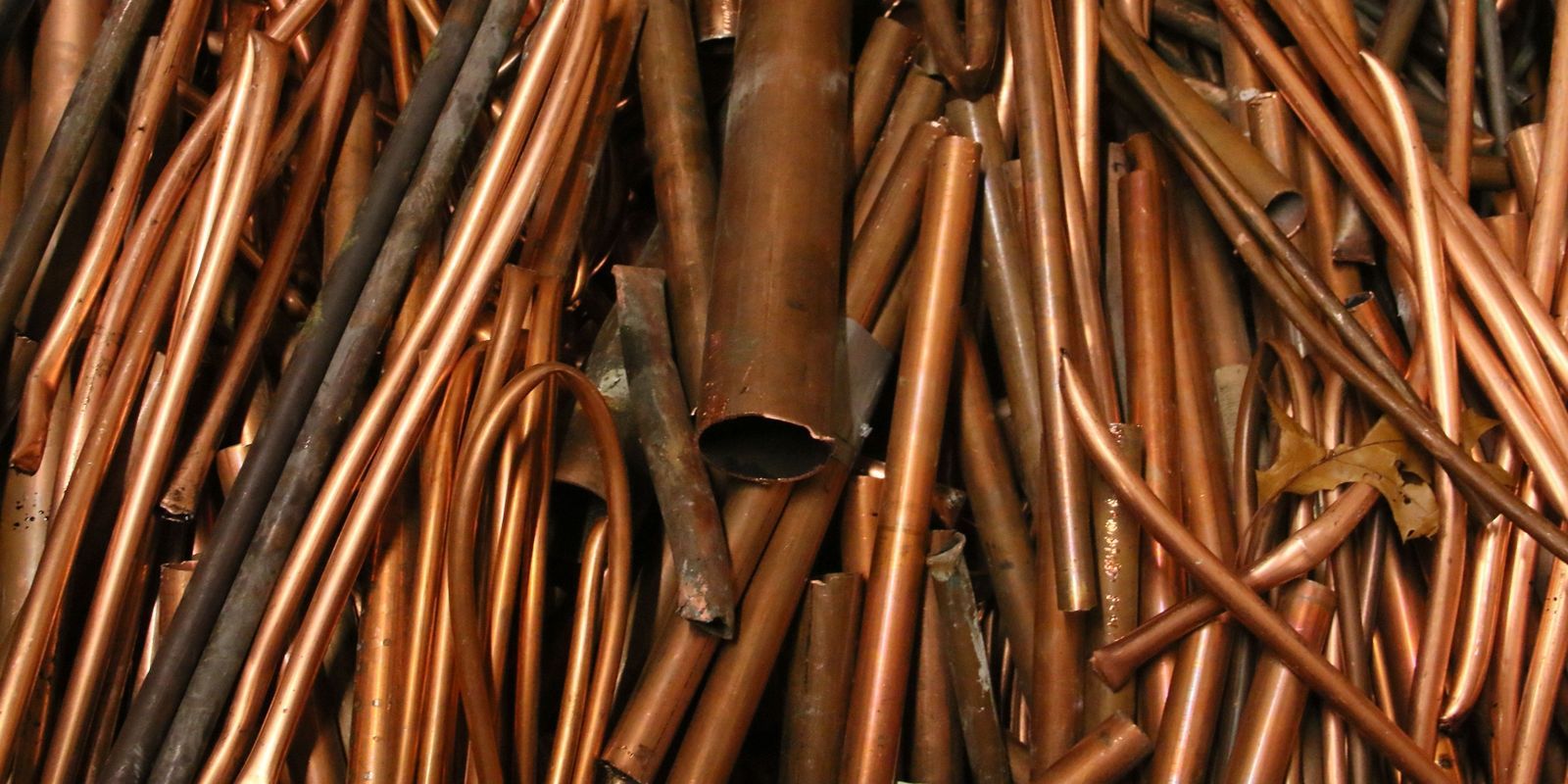
Copper scrap is the material most businesses are actually trying to move. It may come from installation work, factory production, site clearance, demolition, maintenance, equipment replacement or recycling operations.
The term covers a wide range of material. It can include copper wire, copper cable, copper pipe, busbar, sheet, offcuts, turnings, coils, tanks, motors, transformers and copper-bearing components. Some loads are clean and easy to assess. Others are mixed, insulated, contaminated or attached to other materials.
That difference matters commercially. Buyers value copper scrap based on recoverable copper content, grade, cleanliness, volume, location and processing requirement. A tonne of clean copper offcuts is a very different proposition from a tonne of mixed cable, plastic-heavy wiring and attached fittings.
WasteTrade sellersshould list copper scrap in a way that helps buyers make a serious decision quickly. That means clear photos, realistic weights, accurate location details, packaging information, collection requirements and an honest description of contamination or mixed material.
Copper scrap should not be hidden inside general waste or sold without any thought to grade. Even basic separation can improve buyer confidence. Keeping pipe apart from cable, clean copper apart from mixed metal, and insulated wire apart from stripped wire can make the listing easier to assess.
For buyers, WasteTrade creates a way to identify available copper scrap without relying only on existing contacts. For sellers, it creates a way to turn copper scrap into a more visible and competitive commercial opportunity.
Copper Metal Recycling
Copper metal recycling is especially important because copper is one of the more valuablerecyclable metalsin commercial waste streams. Unlike many lower-value materials, copper often justifies careful handling, grading and route-to-market planning.
The physical recycling route may involve collection, sorting, grading, shredding, stripping, granulation, melting and refining. The exact route depends on the material. Cable may need to be stripped or granulated to separate copper from insulation. Pipe may need fittings or solder considered during grading. Clean production scrap may be easier to process because it is already relatively uniform.
For a seller, the commercial recycling process starts before any metal is melted. It starts with how the business identifies and presents the load. A buyer looking at a WasteTrade listing wants enough detail to understand the likely recovery value and the cost of handling the material.
That is why copper metal recycling should not be described in vague terms. A listing that says “mixed copper scrap” with poor photos and no weight creates uncertainty. A listing that says “approximately 12 tonnes of clean copper pipe, baled, stored indoors, collection access available, photos attached” gives buyers something they can assess properly.
WasteTrade’s advantage is that it supports that more structured approach. Sellers can make copper visible to verified buyers, while buyers can search for copper-bearing material that matches their processing capability and demand.
Copper metal recycling is not only about doing the right thing environmentally. It is about preserving the commercial value of a material that still has a useful life.
Recycle Copper
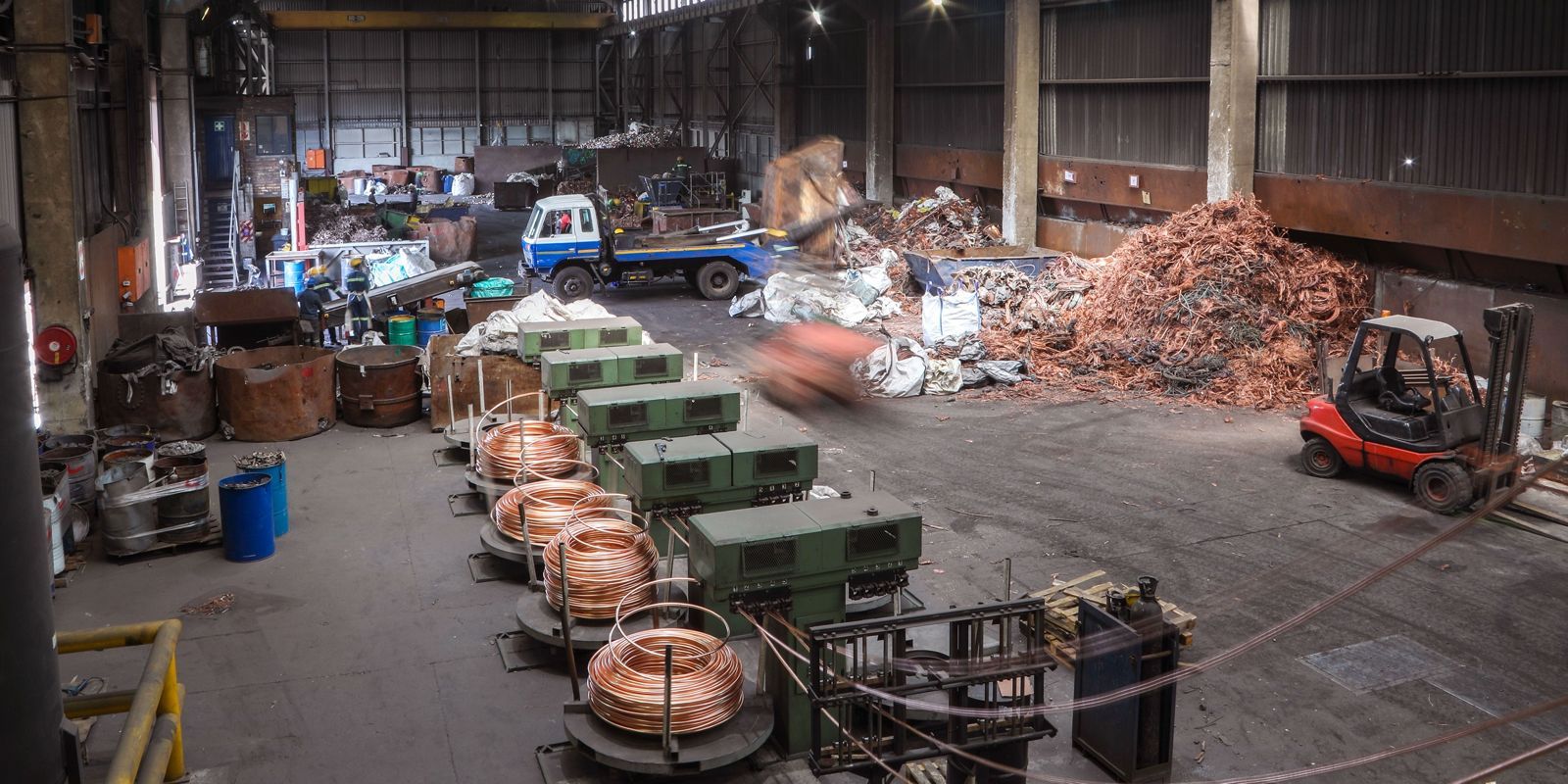
Recycle copper searches often come from people wanting a simple answer, but businesses need more than a simple answer. Yes, copper can be recycled. The more important issue is how to recycle copper in a way that protects its value.
The first step is identification. A business should know whether the material is wire, cable, pipe, sheet, busbar, turnings, clean offcut, mixed scrap or copper-bearing equipment. The second step is separation. Clean copper should not be mixed with lower-grade material unless there is no practical alternative. The third step is documentation. Sellers should record weight, location, packaging, availability and collection details.
The fourth step is market access. This is where WasteTrade becomes commercially relevant. A business can list copper material so verified buyers can review the load, ask for details and assess whether it fits their demand.
Recyclingcopper through a marketplace also helps sellers think beyond the nearest option. A local outlet may suit very small loads, but commercial copper often deserves a wider buyer audience. If a load is clean, recurring, high-volume or specialist, the best buyer may not be the nearest buyer.
The practical aim is to make the material easy to understand and easy to trade. Copper that is properly prepared and clearly listed is more likely to attract serious commercial interest.
Copper Recycling Near Me
Copper recycling near me is a useful search for small quantities, but it can be too narrow for businesses with commercial copper loads.
A nearby scrap yard or recycling site may be convenient, especially for one-off or low-volume material. But for larger loads, recurring supply or higher-value copper, the nearest buyer is not always the best buyer. The best buyer is the one with the right processing capability, the right demand, the right pricing basis and the ability to handle the material properly.
WasteTrade helps businesses move beyond a purely local search. Sellers can list copper material with location details, then allow verified buyers to assess whether the load is commercially attractive. Transport still matters, of course. Haulage cost can affect the final result. But distance should be weighed against buyer demand, material value and the overall trade route.
This is particularly relevant for copper cable, pipe, clean copper scrap and industrial offcuts. These materials may attract different buyers depending on grade and processing requirements. A specialist cable recycler may be more suitable for insulated cable than a general local buyer. A processor looking for clean copper may value well-sorted production scrap more strongly than a mixed metal outlet.
ForWasteTrade customers, copper recyclingnear me should be reframed as: which verified buyers can handle this material properly, and what route creates the strongest commercial outcome?
Copper Recycling Prices
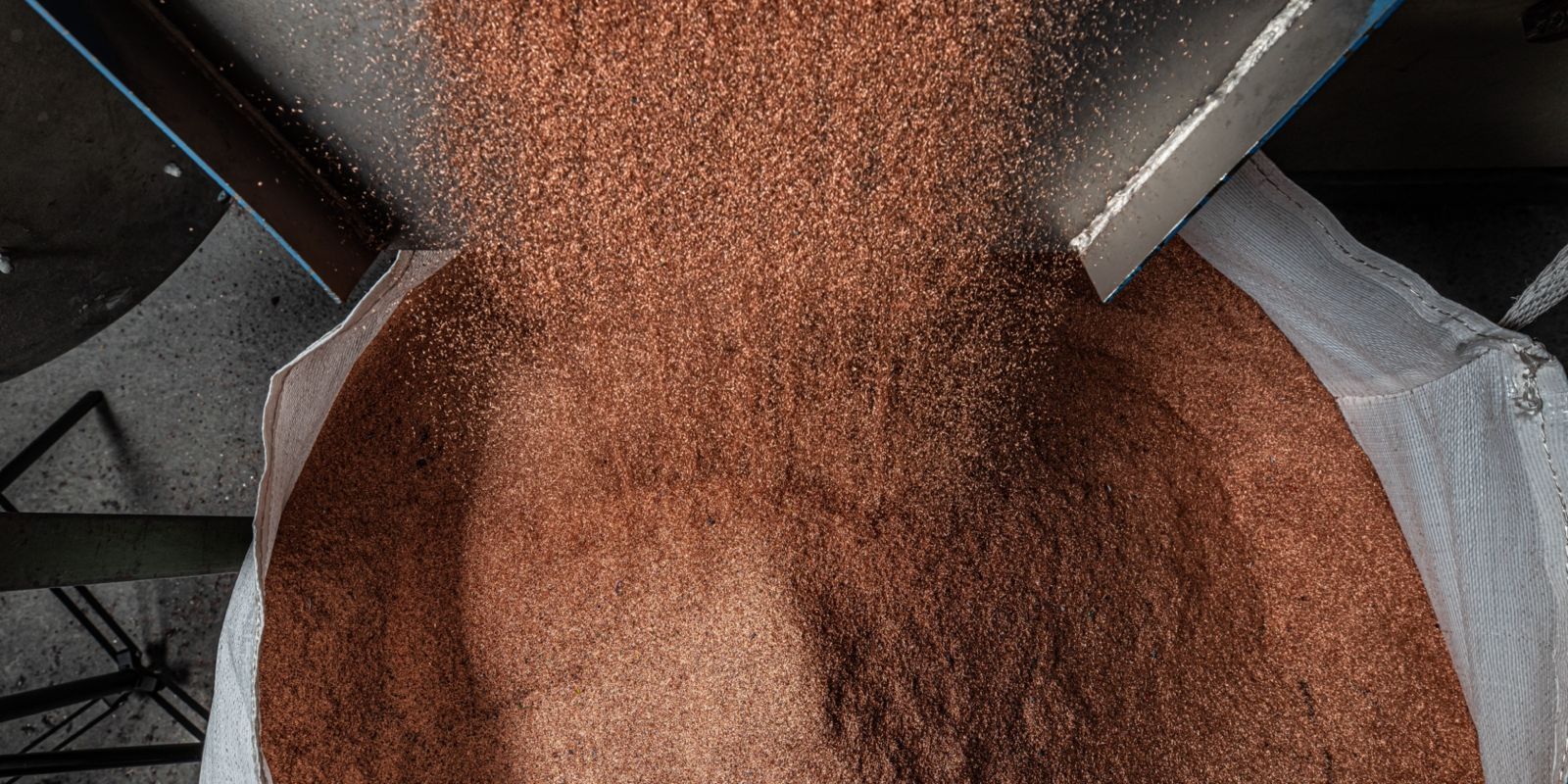
Copper recycling pricesdepend on the material, not just the word “copper”. A buyer will look at grade, cleanliness, recoverable metal content, weight, location, packaging, contamination and current market demand before deciding what the load is worth.
This is why copper recycling prices can differ so much between loads. Clean copper usually attracts stronger interest because it is easier to process. Insulated copper wire may still have good value, but the buyer has to account for insulation and copper recovery rate. Copper pipe with fittings, solder, paint or other attachments may be priced differently from clean pipe. Mixed copper scrap may be discounted if the buyer has to sort it before processing.
WasteTrade does not need to turn this page into a live price table to make it commercially useful. The stronger message is that sellers can use WasteTrade to expose copper material to verified buyer demand. A single local quote may not reflect the wider market, especially if the load is large, clean or recurring.
For a seller, the best way to support stronger copper recycling prices is to improve the quality of the listing. Clear photos, accurate weight, grade information, location, packaging and honest contamination details all help buyers assess the material with less uncertainty.
For buyers, the same information saves time. It helps them decide whether the load is suitable before committing resources to a conversation, inspection or collection plan.
Copper Recycle Prices
Copper recycle prices are often searched by people looking for a quick figure, but commercial pricing is rarely that simple. The price a business can achieve depends on what kind of copper is available and how easy it is for a buyer to recover usable metal from it.
A clean, separated load is generally easier to price than mixed material. A recurring copper stream may attract more serious buyer interest than a small one-off quantity. Material stored properly and photographed clearly is easier to assess than material scattered across a site or mixed into other waste.
WasteTrade customers should think of pricing as the result of information plus demand. If the information is weak, buyers may protect themselves by offering cautiously. If the information is strong and the material fits their requirements, the seller is in a better position.
Copper recycle prices also depend onlogistics. A buyer may be interested in the material but still need to account for collection distance, load size, access, packaging and onward processing. That is why location and collection details should be included in any WasteTrade listing.
The aim is not to promise a fixed price before the material is understood. The aim is to help sellers create the conditions for better buyer confidence.
Recycle Price Of Copper
Recycle price of copper searches usually mix two questions: what is copper worth, and what will a recycler actually pay for it?
Those are not always the same thing. Copper has a market value, but scrap copper pricing has to account for grade, processing cost, contamination, transport and buyer margin. A seller may see a headline copper price and assume their scrap should be valued at the same level. In reality, scrap is priced according to recoverable value and trade conditions.
This is where WasteTrade can help commercial sellers think more clearly. Instead of treating the recycle price of copper as one fixed number, sellers should prepare the material so buyers can assess it properly. That means separating copper where practical, describing the load accurately and listing it with the details buyers need.
For example, clean copper offcuts from a manufacturing site may be easier to value than oldcablepulled from a demolition project. Copper pipe from plumbing work may be affected by fittings, solder or mixed materials. Insulated wire may be valued according to expected copper recovery rather than total load weight.
The recycle price of copper improves as uncertainty falls. WasteTrade listings should be built to reduce that uncertainty.
Copper Scrap Metal
Copper scrap metal sits within the wider scrap metal market, but it often deserves separate attention because of its value and demand.
Businesses handling mixedscrap metalshould avoid losing copper inside lower-value streams. Copper can be present in wiring, motors, pipe, cable, machinery, electrical units, transformers, switchgear, industrial equipment and construction waste. If it is mixed into general metal waste without separation, the seller may lose visibility over one of the more valuable parts of the load.
On WasteTrade, copper scrap metal can be listed as a distinct material stream. That makes it easier for relevant buyers to find and assess it. It also helps sellers avoid treating all metal waste as one category.
This is especially useful for demolition contractors and waste management businesses. A site clearance may produce steel, aluminium, brass, copper, cable and mixed electrical waste. Each material may have a different buyer profile. Copper should be identified clearly because it may carry stronger value than the surrounding material.
For buyers, copper scrap metal listings can offer a useful supply route. For sellers, they create a better chance of matching the material with buyers who understand its value.
Copper Uses
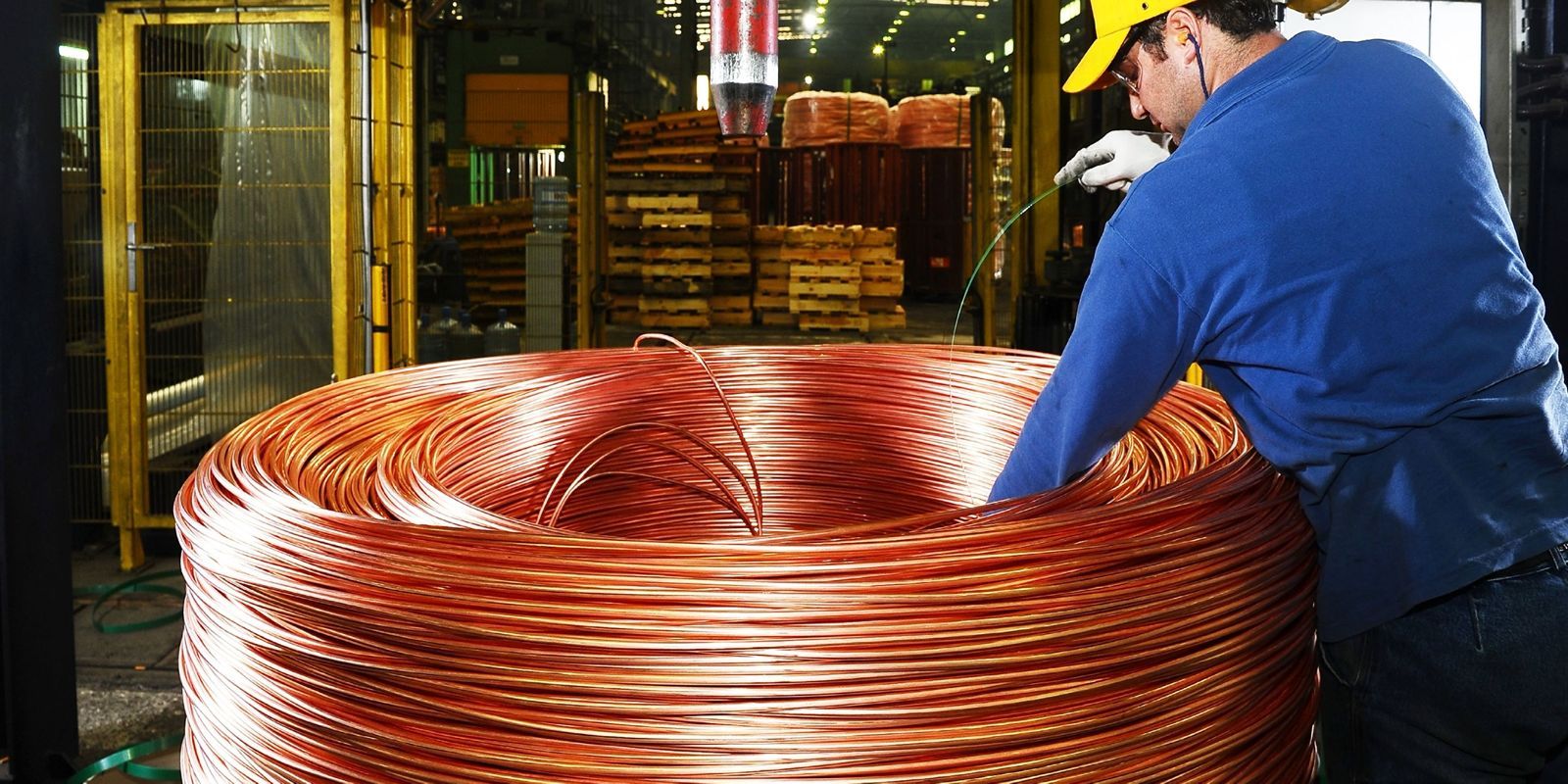
Copper uses are one of the reasons copper recycling has such strong commercial relevance. Copper is used in electrical systems, wiring, motors, plumbing, roofing, heating systems, electronics, industrial machinery, transport, renewable energy infrastructure and construction products.
Those uses matter because they create demand. Copper is not recycled only because it is environmentally sensible. It isrecycledbecause industry still needs the material. Buyers want copper-bearing scrap because it can be processed and returned to supply chains where copper remains essential.
This gives sellers a stronger reason to handle copper properly. A business with copper waste is often holding material that sits in the path of real industrial demand. If the material is clean, well sorted and available in useful volumes, it may be attractive to buyers looking for secondary copper feedstock.
For WasteTrade, this connection between copper uses and copper recovery is important. The marketplace brings together companies producing copper scrap and companies looking for recyclable material. That trade supports both sides: sellers recover value, while buyers find supply.
Copper uses also help explain why recycled copper is likely to remain commercially important. As electrical infrastructure, data networks, construction and manufacturing demand continue, secondary copper will keep playing a significant role in material supply.
Uses Of Copper
Uses of copper should be included on a commercial copper recycling page because they explain why the material has value after its first life.
Copper conducts electricity, transfers heat, resists corrosion and can be formed into many useful products. That is why it appears in building wiring, power systems, plumbing, motors, heat exchangers, electronics, vehicles, industrial plant and manufacturing components.
For sellers, this is not just background information. It explains why copper scrap attracts buyers. A cable offcut, redundant pipe or copper production scrap is valuable because the material can be recovered and reused in markets where copper’s properties are still needed.
For buyers, recycled copper can support supply, cost control and circular procurement. It can also reduce reliance on primary material where suitable recovered copper is available. The quality and form of the scrap will decide where it can go next, but the demand case is clear.
WasteTrade’s role is to connect this demand with available supply. A business generating copper scrap may not know which buyers want that specific material. A buyer may not know where suitable copper loads are available. The marketplace helps close that gap.
Copper Metal
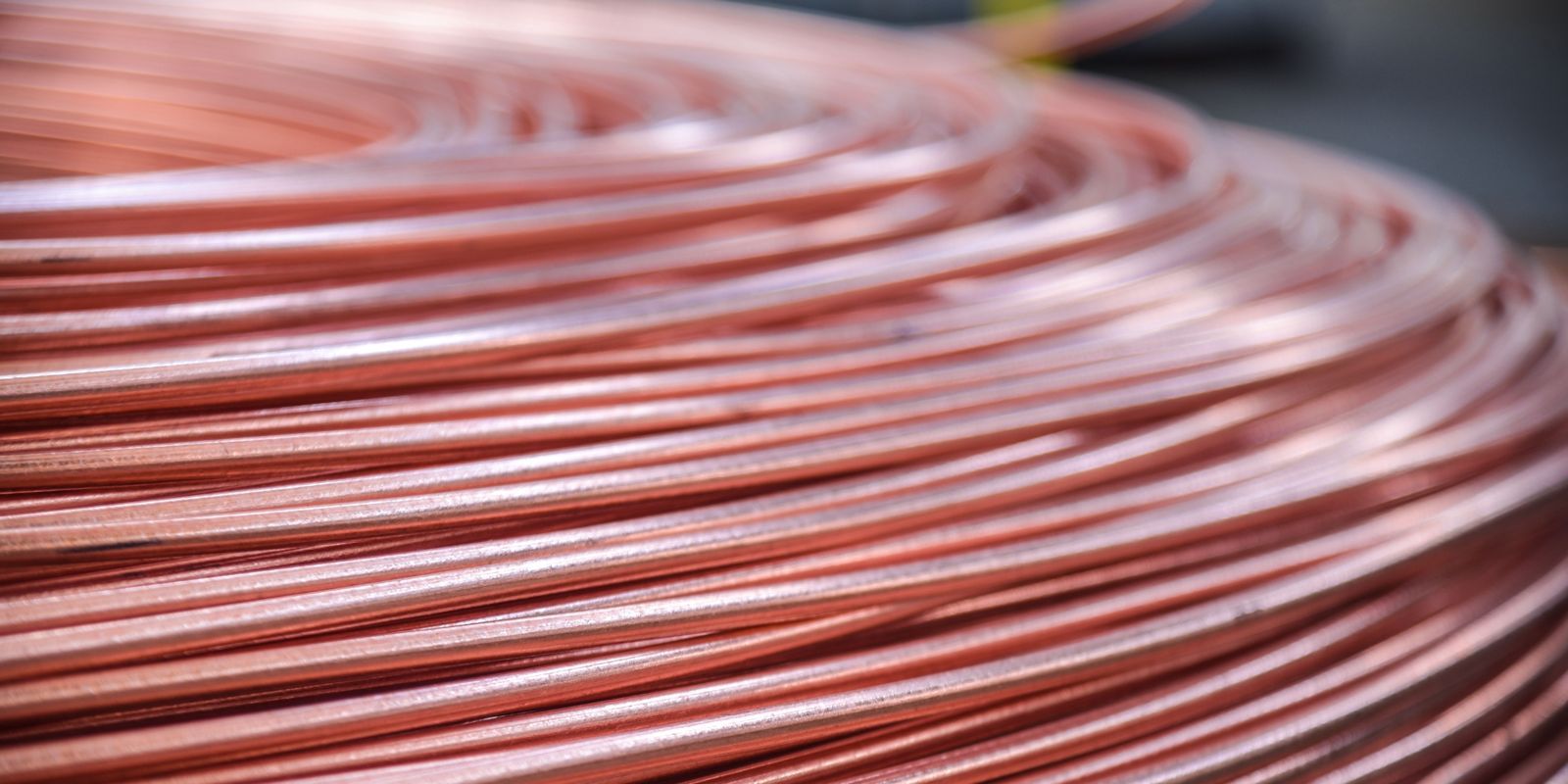
Copper metal is valuable because of its physical properties and its commercial demand. It is conductive, durable, corrosion-resistant and widely used across essential sectors. This is abenefitfor the potential circularity of this material.
In recycling terms, copper metal holds its appeal because it can be recovered and reused without losing the qualities that make it useful. That is why copper scrap is often handled more carefully than lower-value waste streams. The material has enough value to justify sorting, grading, separate storage and proper route-to-market planning.
Businesses should treat copper metal as a tradable commodity, not just a by-product. Production offcuts, redundant pipe, removed cable and copper-bearing equipment should be reviewed before being sent into general waste or mixed scrap.
WasteTrade supports that approach by giving copper sellers access to a marketplace where buyers can assess the material. For commercial loads, this can be more useful than relying on informal enquiries or a single local buyer.
The better the material is presented, the stronger the trading position. Copper metal that is clean, separated and well documented is easier for buyers to understand. That can improve the quality of enquiries and help the seller move towards a more reliable transaction.
Scrapping Copper
Scrapping copper is a common phrase, but businesses should be careful not to treat it too casually. Copper may be scrap, but it is not low-value rubbish.
The way copper is scrapped can affect its value. If clean copper is mixed with contaminated metal, the buyer may assess the whole load more cautiously. If insulated cable is thrown into mixed waste, it may lose visibility. If pipe, fittings and other metals are all combined, the seller may make the buyer’s job harder and reduce confidence.
A better approach is to prepare copper scrap before sale. Separate what can be separated. Keep clean copper apart. Photograph the material properly. Record approximate weight. Note whether the load is loose, baled, boxed, palletised or stored in containers. Be honest about contamination.
WasteTrade gives sellers a way to turn scrapping copper into a more deliberate commercial process. The platform helps businesses present material to verified buyers, rather than treating copper disposal as a rushed site-clearance task.
For many companies, this is where value is lost or recovered. Copper is worth managing properly.
Často kladené otázky
What businesses can use WasteTrade for copper recycling?
Electrical contractors, demolition companies, manufacturers,recyclers, metal merchants, construction firms, waste management businesses and industrial sites can all use WasteTrade to buy or sell copper-bearing material.
Can copper be recycled repeatedly?
Yes. Copper can be recycled repeatedly, which is one of the reasons it has strong commercial value in the scrap and secondary materials market.
What copper materials can be listed on WasteTrade?
Copper wire, copper cable, copper pipe, clean copper scrap, insulated wire, busbar, sheet, turnings, production offcuts and mixed copper-bearing scrap may all be suitable, depending on quality, volume and buyer demand.
Is copper recycling profitable?
Copper recycling can be profitable for businesses because copper is one of the higher-value recyclable metals. The actual return depends on grade, cleanliness, weight, location, logistics and market conditions.
Why does clean copper usually attract stronger interest?
Clean copper is easier to assess and process. Buyers usually have more confidence in material with less contamination, fewer attachments and clearer recoverable copper content.
Should I use a local scrap yard or WasteTrade?
Small quantities may suit a local scrap yard. Commercial volumes, recurring copper streams or specialist material may benefit from WasteTrade because sellers can reach verified buyers beyond one local outlet.
Does WasteTrade buy copper directly?
WasteTrade operates as a marketplace connecting sellers with verified buyers andrecyclers. Sellers can list copper material so suitable buyers can assess the opportunity.
What information should I include in a copper listing?
Include the material type, weight, photos, location, packaging, contamination level, collection access and whether the supply is one-off or recurring.
Can insulated copper wire be recycled?
Yes. Insulated copper wire can be recycled, but it is usually valued differently from clean stripped copper because insulation affects recovery and processing cost.
Is copper a ferrous or non-ferrous metal?
Copper is anon-ferrous metal.
How do I start selling copper scrap on WasteTrade?
Prepare clear material details, take photos, estimate or confirm the weight, describe the condition honestly and list the copper scrap on WasteTrade for verified buyers to review.


