Aluminium Can Recycling: Key Information
- WasteTrade helps businesses sell aluminium cans for recycling by connecting material holders with verified buyers.
- Commercial aluminium can streams can come from hospitality, venues, events, offices, universities, councils, waste companies and recycling facilities.
- Clean, dry and separated aluminium cans are easier to recycle and generally more attractive to buyers than contaminated mixed waste.
- Businesses can list loose or baled cans on WasteTrade with their quantity, location, condition, photographs and whether the supply is one-off or recurring.
- Aluminium cans are collected, sorted, cleaned, compacted or shredded, melted and processed into aluminium for new manufacturing.
- Aluminium can scrap value is influenced by volume, contamination, moisture, baling, location, transport costs and current market demand.
- WasteTrade supports aluminium can trades with buyer access, logistics coordination, compliance and payment assistance.
- For larger commercial volumes, the strongest buyer may not always be the nearest recycling outlet.
Aluminium Can Recycling
Aluminium can recycling is a clear commercial opportunity for businesses that produce, collect or handle used beverage cans in volume. For hospitality groups, venues, events companies, offices, universities, councils, waste management firms and recycling centres, aluminium cans should not be treated as a low-value waste stream. When separated and presented properly, they can become a saleable material with buyer demand.
WasteTradehelps businesses sell aluminium cans for recycling through a verified global marketplace. Sellers can list aluminium can scrap, state the volume and location, upload photos, and make the material visible to verified buyers. Buyers can search for aluminium can material and other recycled aluminium streams, or create wanted listings for specific requirements.
The commercial value of aluminium cans depends on more than the fact that they are recyclable. Cleanliness, dryness, contamination, load size, baling, storage, collection access, location and market demand all affect buyer interest. WasteTrade gives sellers a structured route to present aluminium cans properly, reach verified buyers and manage the practical parts of the trade, includinglogistics coordination, documentation and payment support.
If your business handles aluminium cans regularly, WasteTrade can help turn that material into a stronger commercial opportunity.
Aluminium Cans Recycling
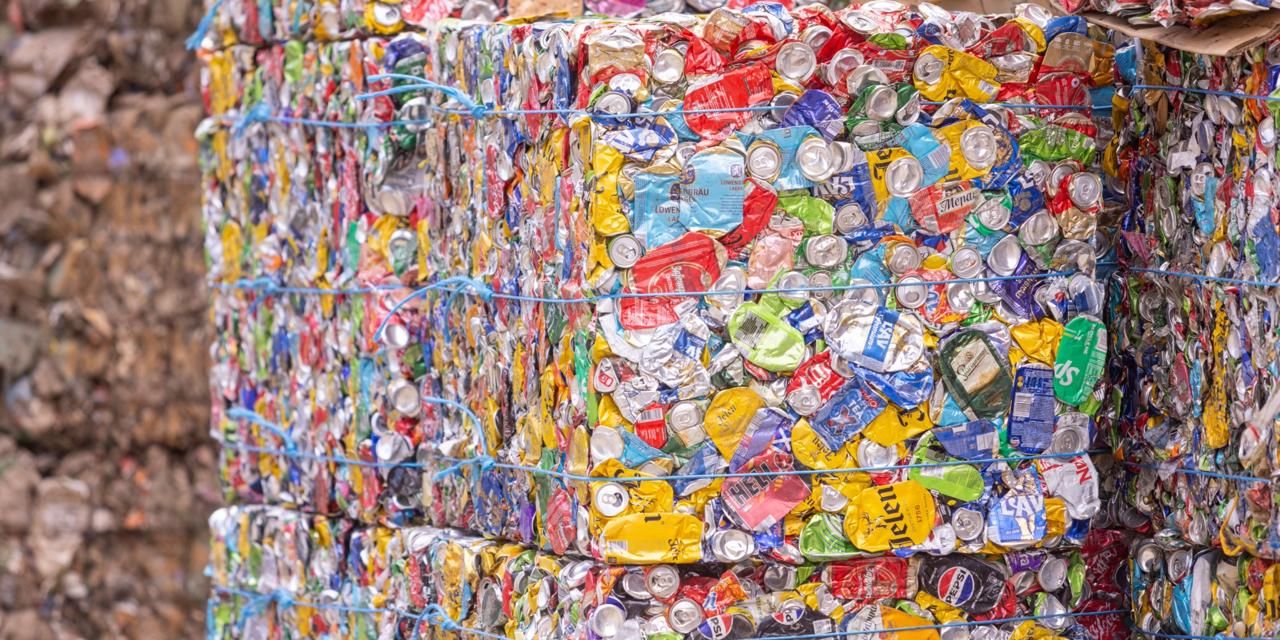
Aluminium cans recycling works best when cans are kept separate from general waste and handled as a distinct material stream. This is especially important for businesses that generate cans in predictable volumes, such as bars, restaurants, hotels, stadiums, festivals, offices, campuses and waste collection operations.
Aluminium cans are widely recycledbecause aluminium holds value and can be reprocessed into new aluminium products. The issue for businesses is not whether aluminium cans can be recycled. The issue is whether the cans are collected, stored and sold in a way that protects their value.
Loose cans mixed with food waste, glass, plastic, liquid residue or general rubbish are less attractive to buyers. They may still be recyclable, but the buyer has to account for sorting, handling and contamination. Clean, dry, separated cans are easier to assess and usually easier to move into a recycling route.
WasteTrade helps sellers make aluminium cans visible to buyers who are already looking for recyclable material. A seller can list the cans, include the estimated volume, show how the material is stored and explain whether the supply is one-off or recurring. That helps buyers assess the material quickly and decide whether it fits their process.
For WasteTrade customers, aluminium cans recycling is not just an environmental action. It is a way to improve waste segregation, reduce lost material value and create a more commercial route for a stream that is often produced every day.
Recycle Aluminium Cans
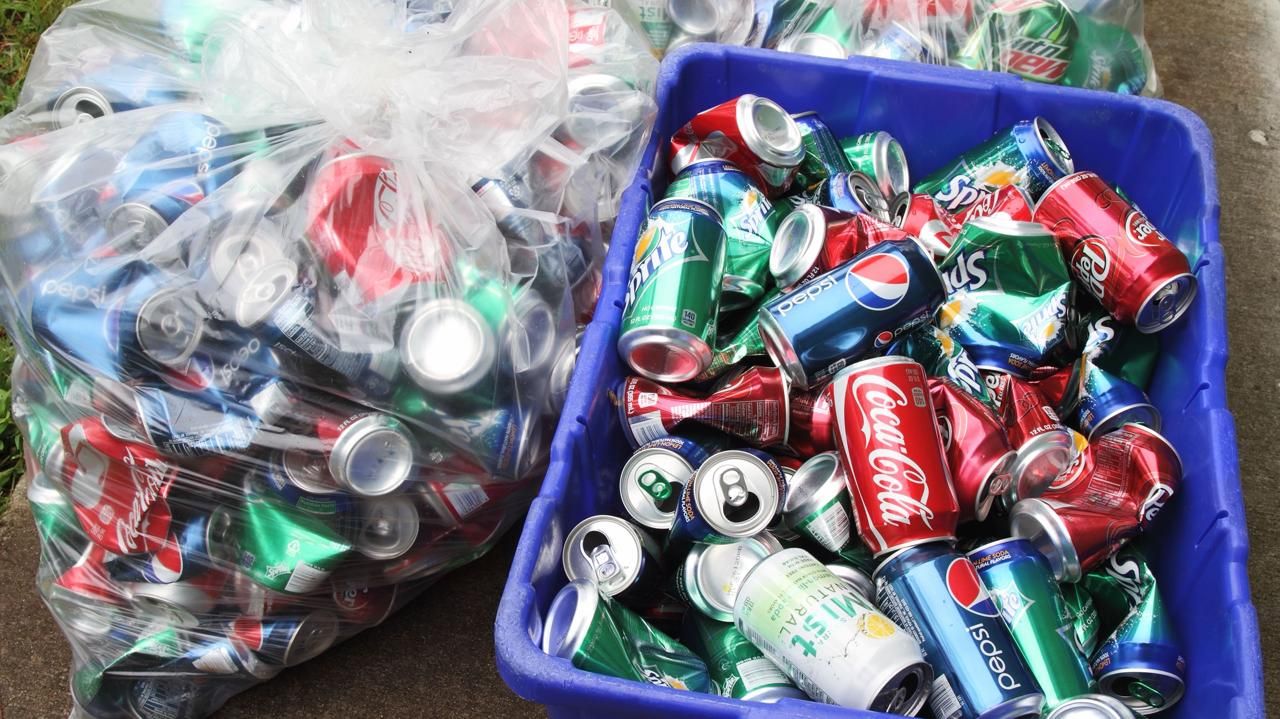
To recycle aluminium cans properly, businesses should start at the point of generation. The cleaner the stream is from the beginning, the easier it is to sell later. Once cans are mixed with general waste, food contamination, glass or plastic, the work needed to recover value increases.
Businesses should collect aluminium cans separately where possible. Cans should be kept reasonably dry, stored safely and kept away from other waste streams that can reduce quality. If the volume is high enough, baling may make the material easier to store, transport andprice. Smaller sites may build volume over time before listing or arranging movement.
For businesses using WasteTrade, the key is to give buyers practical information. State whether the cans are loose or baled. Give an estimated weight or volume. Add the location. Explain whether the material is dry, mixed, contaminated or clean. Upload clear photos of the actual cans. Mention whether the material is available as a one-off load or as a recurring stream.
This information matters because buyers are not pricing an abstract material. They are pricing a real load with real handling, transport and processing costs. A clean, baled, regular stream of aluminium cans from a venue or waste handler will be assessed differently from a small, loose, contaminated load.
WasteTrade gives businesses a route to move beyond simply asking where to recycle aluminium cans. The better question is how to prepare, present and sell aluminium cans so the material has the strongest possible commercial chance.
Aluminium Can Recycle Process
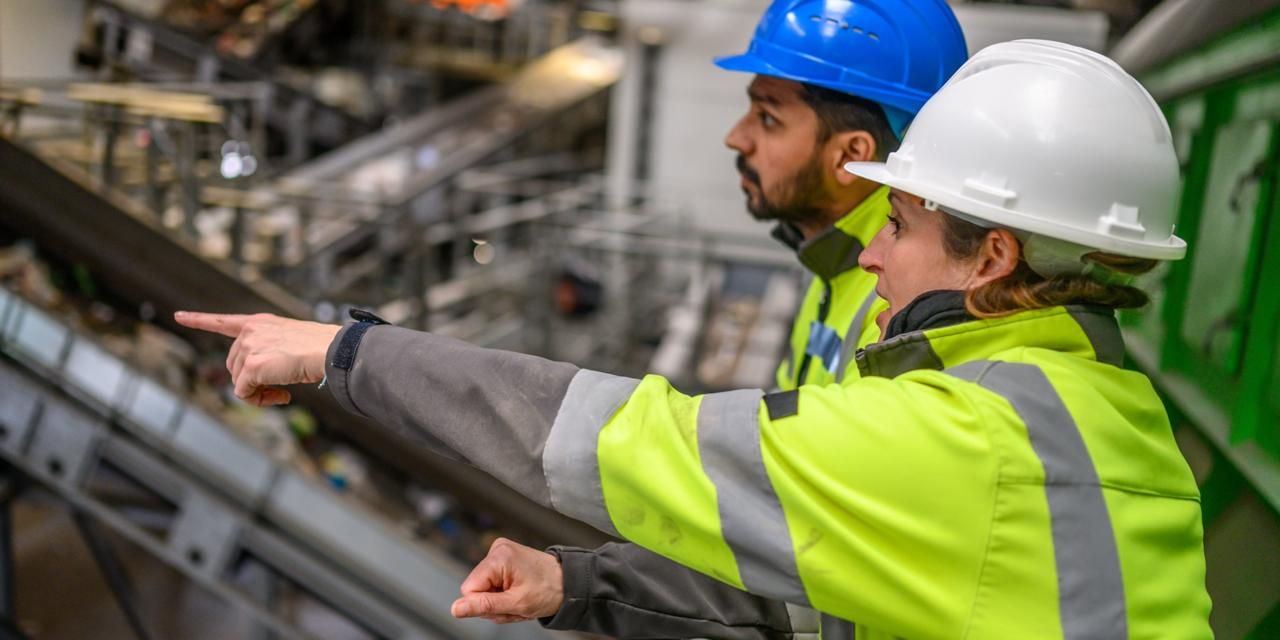
The aluminium can recycle process begins with collection. Cans may be collected from households, hospitality sites, events, workplaces, public bins, deposit return systems, waste transfer sites or commercial recycling operations. For businesses, the most important step is to separate the cans early and prevent avoidable contamination.
After collection, cans are sorted to remove contaminants such as plastic, paper, glass, food waste and other metals. Sorting protects the quality of the recycled aluminium and helps maintain commercial value. Contamination can reduce yield, increase processing cost and make a load less attractive to buyers.
The cans are then usually compacted, shredded or otherwise prepared for melting. The aluminium is melted in a furnace and cast into usable forms such as ingots or sheets. From there, it can be used in the manufacture of new products, including new aluminium packaging and other aluminium goods.
For a WasteTrade seller, the process before the cans reach a recycler is commercially important. Good segregation, dry storage, accurate volume estimates and clear listing information all make it easier for buyers to judge the load. A buyer does not only want to know that the material is aluminium cans. They need to know what condition the cans are in and whether collection and processing make commercial sense.
That is whyWasteTrade listingsshould be clear, specific and honest. If the cans are contaminated, say so. If they are clean and baled, say so. If the supply is ongoing, make that clear. Good information supports stronger buyer confidence.
How Are Aluminium Cans Recycled?
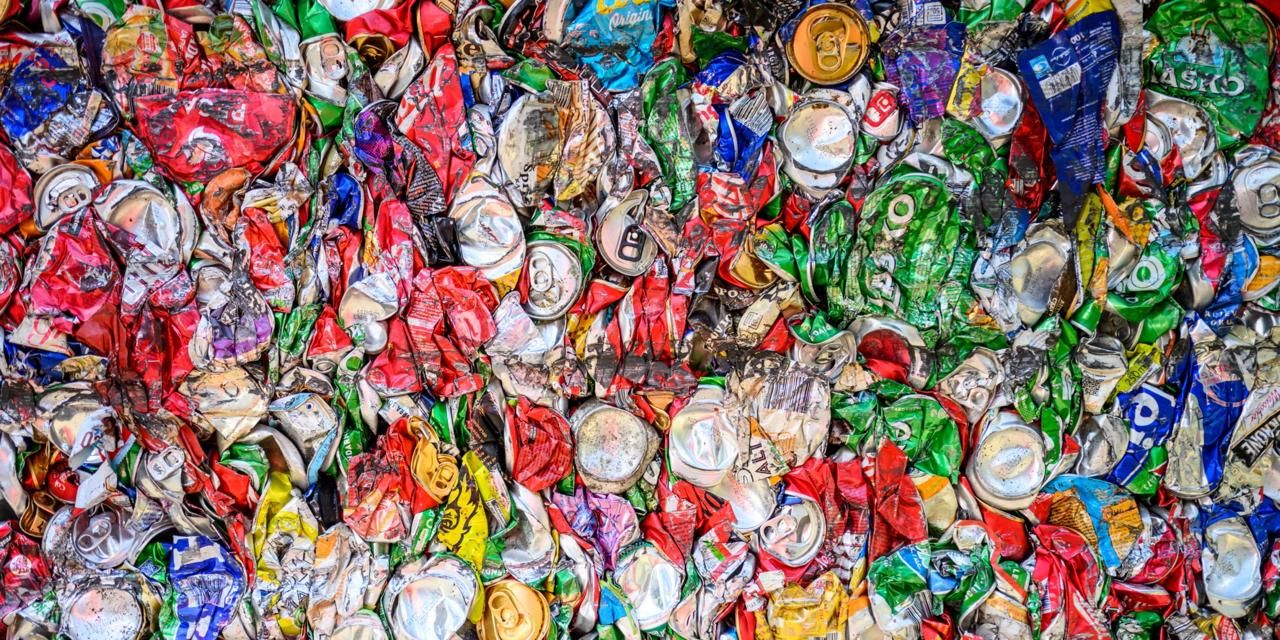
Aluminium cans are recycled by being collected, sorted, cleaned of contaminants, compacted or shredded, melted and cast into new aluminium forms. Those forms can then be used again in manufacturing.
The process is efficient because aluminium is highly recyclable. Unlike some materials, aluminium can be reprocessed repeatedly while keeping its core properties. That is why aluminium cans remain one of the most recognisable recyclable packaging streams.
For businesses, the important commercial point is that the recycling process rewards good material handling. Cans that are separated early, kept dry and presented in bulk are usually easier for buyers to assess. Cans that are heavily contaminated or mixed into general waste are less straightforward and may lose value.
WasteTrade helps bridge the gap between collection and market access. A business may already be collecting aluminium cans, but still need a better route to sell them. By listing can material on WasteTrade, sellers can show buyers exactly what is available and where it is. Buyers can then assess the material based on volume, condition, location and collection requirements.
This gives aluminium can recycling a clearer commercial structure. The material is not simply passed along as waste. It is presented as a recyclable commodity.
Are Aluminium Cans Recyclable?
Yes, aluminium cans are recyclable. They can be melted down and made into new aluminium products repeatedly. This is one reason aluminium cans are such an important material stream for recycling operators, waste companies and businesses with regular packaging waste.
The fact that aluminium cans are recyclable does not mean every can stream has the same value. Quality still matters. Cans contaminated with food, liquid,plastic, glass or general waste can require more handling. Cans kept separate and stored properly are more attractive because they are easier to sort, move and process.
Businesses should treat aluminium cans as a separate recoverable stream wherever volumes justify it. This applies to hospitality venues, events sites, offices, public facilities, campuses, stadiums and waste management operations. Where cans are generated in meaningful quantities, there may be an opportunity to list them for sale rather than simply dispose of them through a basic waste route.
WasteTrade helps sellers turn recyclability into a commercial action. Instead of only asking whether aluminium cans are recyclable, businesses can ask who wants the material, what information buyers need, how it should be prepared and whether it can be moved profitably.
Aluminium Can Scrap Price
Aluminium can scrap price depends on several factors: volume, cleanliness, contamination, moisture, baling, location, transport cost, buyer demand and wider aluminium market conditions. There is no single aluminium can scrap price that applies to every load.
A clean, dry, baled load of aluminium cans in a location with strong buyer demand may be more attractive than loose, contaminated cans that are difficult to collect. A regular supply from a venue, waste handler or aggregator may also interest buyers differently from a one-off small load.
Sellers should be careful with generic scrap price figures. Online price estimates may not reflect the real material, location, load size or buyer requirements. For WasteTrade customers, the more useful route is to list the aluminium cans with clear details and allow verified buyers to assess the opportunity.
A strong WasteTrade listing should include whether the cans are loose or baled, estimated weight or volume, location, photos, contamination level, storage details, loading access and whether the supply is recurring. These details help buyers calculate the real value after transport and processing.
Aluminium can scrap price is not just about the metal. It is about the complete commercial picture. WasteTrade helps sellers present that picture properly.
Sell Aluminium Cans for Recycling
Businesses can sell aluminium cans for recycling on WasteTrade by creating a material listing and making it visible to verified buyers. This is the main commercial action for companies that produce or collect cans in volume.
The seller journey is straightforward. Register on WasteTrade, complete the required business information, create a listing for the aluminium cans, add the quantity and location, upload clear photos and describe the condition of the material. Verified buyers can then review the listing and express interest or bid where appropriate.
This route is useful for businesses that handle can material regularly. Hospitality groups, venues, events companies, facilities managers, councils, waste management firms, universities and recycling centres may all have aluminium can streams that deserve a more commercial outlet.
For sellers, the advantage is market access. A local route may be convenient, but it may not always be the strongest route commercially. WasteTrade gives aluminium can sellers access to verified buyers beyond their immediate contacts, while still keeping logistics and location central to the deal.
Selling aluminium cans for recycling is strongest when the material is presented properly. A buyer needs to know whether the cans are clean, dry, baled, loose, contaminated, ready for collection or part of an ongoing supply. WasteTrade gives sellers the structure to provide that information clearly.
Aluminium Can Recycling Services
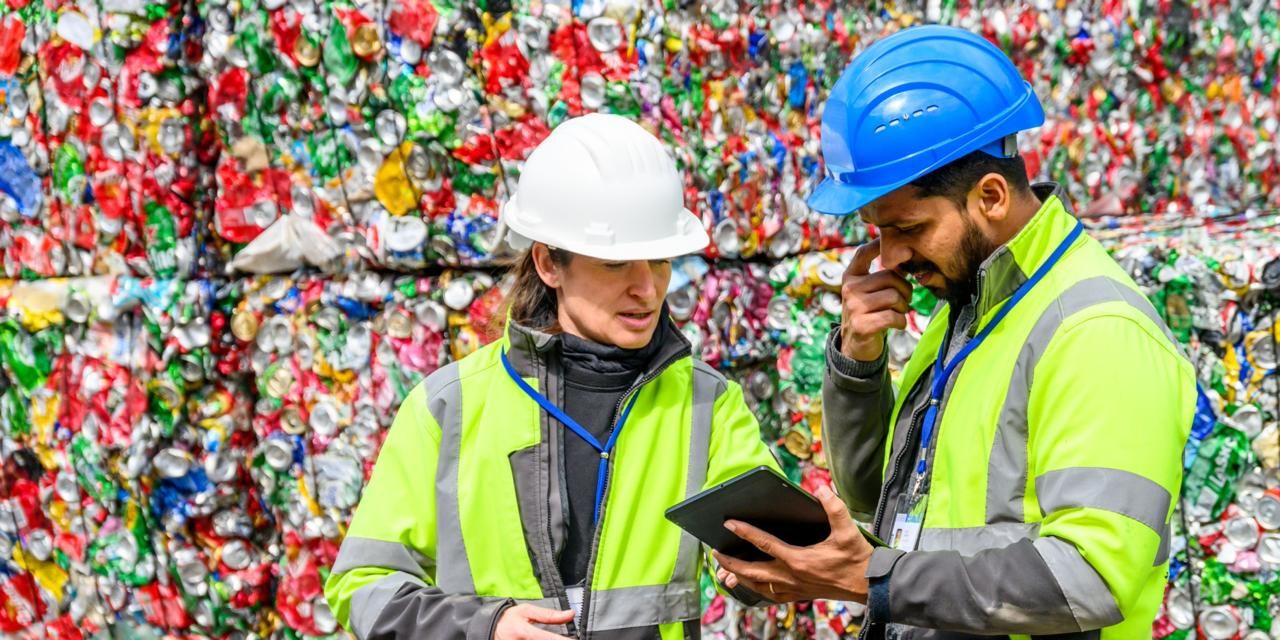
Aluminium can recycling services through WasteTrade are designed for businesses that need a practical trading route, not just general recycling advice. The platform helps sellers list material, reach verified buyers and manage the wider commercial process.
WasteTrade can support aluminium can recycling by helping businesses with material listings, buyer access, wanted listings, compliance support, logistics coordination and payment support. This matters because the value of aluminium cans can be affected by the cost and practicality of moving them. A buyer may be interested in the material, but the trade still needs to work operationally.
For buyers, WasteTrade offers access to listed aluminium can material and wider recycled aluminium streams. Buyers can search available listings or create wanted listings if they need specific volumes, locations or supply arrangements. This can helprecyclers, processors, traders and manufacturers find can material that would otherwise sit inside fragmented local networks.
For sellers, WasteTrade provides a more structured way to trade. Instead of making repeated enquiries to individual outlets, sellers can present the material in one place and allow verified buyers to assess it. That can save time and improve the chance of finding a suitable commercial route.
Aluminium can recycling services should not be judged only on collection. The real value is in the full chain: material preparation, buyer access, transport, documentation, payment and the ability to repeat the process if the can stream is ongoing.
Aluminium Can Recycling Benefits
Aluminium can recycling has clear environmental benefits, but businesses should also look at the commercial benefits. A well-managed aluminium can stream can reduce disposal costs, improve waste segregation and create potential revenue from material that might otherwise be treated as general waste.
Environmentally, recycling aluminium cans reduces the need for virgin aluminium production and supports lower energy use compared with making aluminium from raw material. It also helps keep metal in circulation rather than sending it to landfill or lower-value routes.
Operationally, aluminium can recycling can improve site waste management. When cans are collected separately, businesses gain better control over contamination, storage and reporting. This is useful for venues, events, campuses, office estates and waste operators handling public or customer-facing waste streams.
Commercially, the biggest benefit is that aluminium cans have market demand. The value will depend on quality, volume and location, but the material should be treated as a recyclable commodity. WasteTrade helps businesses access that market by connecting can sellers with verified buyers and supporting the trade with logistics and compliance assistance.
For buyers, aluminium cans can represent a useful recycled aluminium stream. For sellers, they can become a regular material opportunity rather than a recurring waste problem.
Aluminium Can Recycling Near Me
Many people search for aluminium can recycling near me because location matters. Transport cost, collection distance and local buyer demand can all affect whether a can stream is commercially viable.
For small quantities, a local recycling option may be the simplest route. For businesses with larger or recurring aluminium can volumes, the nearest outlet is not always the best commercial option. A verified buyer slightly further away may be more suitable if the volume, quality and logistics work.
WasteTrade helps businesses look beyond a purely local search while still taking location seriously. Sellers can list aluminium cans with their location, volume and handling details. Buyers can then assess whether the material is practical to collect or trade. This gives the seller a better chance of finding a commercially sensible route.
The phrase “near me” should not limit businesses to the first available option. In aluminium can recycling, the right buyer is the one who can handle the material, price it fairly, move it efficiently and complete the trade properly. WasteTrade helps connect sellers with verified buyers who can make that assessment.
Aluminium Can Recycling FAQs
Are aluminium cans recyclable?
Yes. Aluminium cans are recyclable and can be reprocessed repeatedly into new aluminium products. They are most valuable when separated from other waste and kept clean and dry.
How are aluminium cans recycled?
Aluminium cans are collected, sorted, cleaned of contaminants, compacted or shredded, melted and cast into new aluminium forms. These can then be used again in manufacturing.
Can businesses sell aluminium cans on WasteTrade?
Yes. Businesses can list aluminium cans for recycling on WasteTrade. Verified buyers can review the listing and assess the material based on volume, location, condition and availability.
What affects aluminium can scrap price?
Aluminium can scrap price is affected by volume, cleanliness, contamination, moisture, baling, location, transport cost, buyer demand and wider aluminium market conditions.
Should aluminium cans be crushed or baled before recycling?
For business volumes, baling can make storage and transport more efficient. The best format depends on the quantity, handling equipment, buyer requirements and collection route.
Do aluminium cans need to be clean before recycling?
They should be kept as clean and dry as practical. Heavy contamination from food, liquid, plastic, glass or general waste can reduce buyer confidence and may affect value.
Can WasteTrade help with aluminium can recycling logistics?
WasteTrade supports logistics coordination as part of recyclable material trading. The transport route depends on the volume, location, buyer requirements and commercial viability of the load.
Start Selling Aluminium Cans on WasteTrade
If your business produces, collects or handles aluminium cans, WasteTrade can help you find a stronger commercial route for the material.
List aluminium cans for verified buyers, include clear photos and volume details, and make the material visible to businesses looking for recyclable aluminium. Buyers can also use WasteTrade to find aluminium can material and wider recycled aluminium supply.
WasteTrade helps turn aluminium can recycling from a basic waste task into a structured commercial opportunity.


