Metal Recyclers: Key Information
- Metal recyclers are licensed businesses that buy, sort and process scrap metal so it can be melted down and used again.
- In England and Wales, businesses that buy and sell scrap metal need a scrap metal dealer licence from the local council and cannot pay for scrap in cash.
- Recycling sites also need approval from the environmental regulator, usually an environmental permit or a registered exemption.
- The term covers local scrap yards and merchants, larger processors, specialist cable and battery recyclers, steelworks, smelters and exporters, and each suits different material.
- Ferrous metals such as steel and iron are bought and priced separately from non-ferrous metals such as aluminium, copper, brass and lead.
- Recyclers price scrap on grade, contamination, weight, location and the wider metal market, so clear information about a load usually leads to firmer offers.
- A single yard quote is quick, but it only tells you what one buyer is prepared to pay.
- WasteTradelets businesses list scrap once for verified metal recyclers and buyers to review, with haulage, compliance and payment handled through the platform.
What a Metal Recycler Does
A metal recycler is a company that specialises in collecting, buying and processing scrap metal. Material comes in from businesses, construction and demolition sites, industrial facilities and members of the public. It is sorted into ferrous and non-ferrous metals, then into individual grades.
From there, the recycler prepares it for the next buyer. Steel might be sheared or baled, cable stripped or granulated, and mixed loads picked through by hand or machine. The prepared metal then goes to steelworks, smelters and refiners to be melted and made into new material.Our metal recycling guideexplains that process in more detail.
For a business with scrap to sell, the practical questions are simpler. Which recycler is right for this material, what will they pay, and are they properly licensed? The rest of this page deals with those.
Types of Metal Recycler
Local scrap yards and metal merchants are the first stop for most people. They take small quantities and mixed loads, often on a walk-in basis, and for a van of mixed metal they are usually the sensible choice.
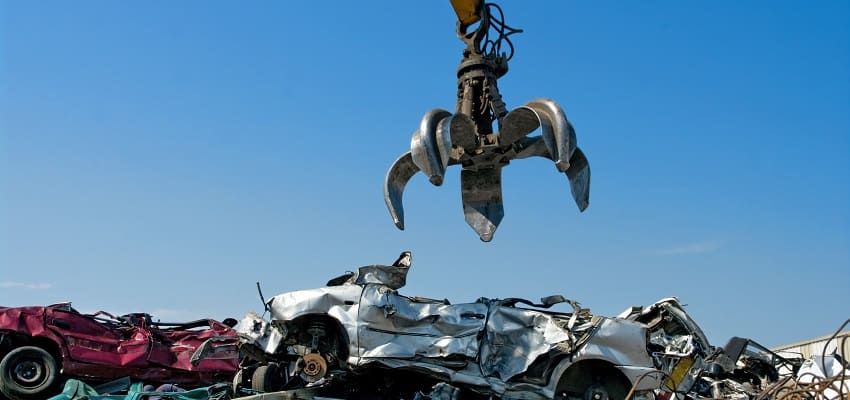
Processors work at a larger scale. They shred, shear and bale ferrous scrap and sort non-ferrous into grades before selling it on to mills and smelters. They want tonnage, and they value consistency.
Specialist recyclers concentrate on one stream, such as cable, lead-acid batteries or stainless steel. Because they know exactly what they will recover, they can often pay more for that material than a general yard.
Steelworks, foundries, smelters and refiners sit at the end of the chain. Most buy prepared grades in volume from processors, although some will deal directly with industrial producers who have a regular supply of clean scrap.
Traders and exporters move graded scrap between countries and can open up demand that a local yard never sees.
Which metal recycler suits you depends on what you have. A fabrication shop producing clean steel offcuts every week has different options from a demolition contractor clearing a site of mixed steel, cable and pipe. For copper,our guide to where to sell coppergoes further, anddemolition scrap recyclerscovers site clearances.
What Recyclers Need From You
Recyclers price what they can see. The more they know about a load, the less they have to allow for surprises. Before contacting a recycler or listing on WasteTrade, have the following ready:
- The metal type and, if you know it, the grade
- The weight, ideally from a weighbridge ticket
- Photographs of the actual material
- How it is stored, whether loose, baled, bagged, in stillages or in skips
- The location and any collection or loading restrictions
- Any contamination, such as attachments, insulation, oil, paint or other materials mixed in
- Whether it is a one-off load or a regular supply
If you do only one thing, keep your metals separate. Copper left in a skip of mixed steel is unlikely to be paid for as copper.
How Scrap Is Priced
Scrap prices start with the metal markets. Non-ferrous metals such as copper, aluminium, lead and zinc trade on the London Metal Exchange, and recyclers' prices tend to follow those movements. Ferrous prices depend more on demand from steelworks, at home and overseas. Wider events play a part too: sanctions, energy costs or a large infrastructure programme can all shift what recyclers are willing to pay.
The recycler then adjusts for the load in front of them. Clean, well-sorted metal with a high metal content commands more. Contamination, awkward collection, small quantities and extra processing all bring the price down.
That is why two recyclers can quote quite different figures for the same load on the same day without either being wrong. They have different stock, different equipment and different customers. For guidance on individual metals, see oursteel recycling prices, brass scrap priceandlead scrap priceguides.
Regulations and Standards for Scrap Metal Recyclers
Scrap metal is one of the more tightly regulated parts of the waste industry, largely because of metal theft. Knowing what a legitimate recycler should have makes it easier to spot one that is not.
- Scrap Metal Dealer Licence: In England and Wales, the Scrap Metal Dealers Act 2013 requires anyone carrying on business as a scrap metal dealer to hold a licence from the local council. Yards need a site licence and mobile collectors need a collector's licence. Yards must display their licence on site.
- No Cash Payments: Licensed dealers can only pay by bank transfer or non-transferable cheque. They must also check the seller's identity and keep records of what they buy. A recycler offering cash is breaking the law.
- Environmental Permit: A site storing or treating scrap metal needs an environmental permit, or a registered exemption, from the Environment Agency in England or Natural Resources Wales. It sets out the activities the site is allowed to carry out and the conditions it must meet.
- Waste Carrier Registration: Anyone transporting scrap to a recycling site for profit must be a registered waste carrier, and each transfer needs a waste transfer note describing the material.Our waste carriers licence check guideexplains how to verify this.
- Health, Safety and Site Management: Recyclers must protect their workers and the public through proper equipment, training and risk assessments. They must also manage their sites to prevent leaks and spills, and keep accurate records.
The 2013 Act applies in England and Wales. Scotland and Northern Ireland have their own licensing arrangements, with environmental regulation handled by SEPA and the Northern Ireland Environment Agency.
To check a recycler, search the public register of scrap metal dealer licences held by the Environment Agency or Natural Resources Wales. Environmental permits and waste carrier registrations can be checked on public registers too.
Selling Bulk or Industrial Volumes
Bulk does not mean mixed. A large tonnage still needs a grade, so say whether it is ferrous or non-ferrous, prepared or loose, and where it sits.
Volume changes who is interested. A load that would stretch a local yard can attract processors, mills and exporters, and a regular supply is often worth more to a buyer than a single lot. If you produce the same scrap every month, make that clear. A buyer planning feedstock will look at it differently.
Bigger volumes also make distance less of a barrier. WasteTrade handles thelogisticsand compliance on each trade, so a buyer in another region or country becomes a realistic option rather than a theoretical one.
Reach More Than One Recycler
A single yard offer is easy but rarely the best price. Most businesses call one or two local recyclers, take the better quote and move on. For a small load that is fine. For regular or valuable scrap, it leaves you with a number you have no real way of checking.
WasteTrade gives you a way to test the market. List the load once with its type, grade, weight, location and photos, and verified metal recyclers and buyers can make offers on it. You compare real offers against each other rather than against a guess.
Once a deal is agreed, WasteTrade arranges the haulage and paperwork, and payment is secured from the buyer before your material is released.
Pertanyaan yang Sering Diajukan
How do I find a metal recycler?
You can approach local scrap yards and merchants directly, or list your scrap on WasteTrade and let verified metal recyclers come to you with offers. Whichever route you take, check the recycler's licence on the public register first. For anything more than a small load, getting several offers is usually worth the effort.
Do metal recyclers pay for scrap metal?
Yes, for most sorted metal. Clean non-ferrous metals such as copper and brass usually fetch the most per tonne. Heavily mixed or contaminated loads may be priced low, and some can cost money to clear, because of the work needed to recover the metal.
Can a metal recycler pay me in cash?
Not in England and Wales. Under the Scrap Metal Dealers Act 2013, dealers can only pay by bank transfer or non-transferable cheque.
Do I need a licence to sell scrap metal?
Not usually. A manufacturer selling scrap that is a by-product of its own processes, or surplus material, is not classed as a scrap metal dealer under the 2013 Act. The licence requirement falls on businesses that buy and sell scrap. If you are unsure how the rules apply to you, your local council's licensing team can confirm.
What is the difference between a scrap yard and a metal recycler?
Most scrap yards are metal recyclers. "Metal recycler" is the wider term and also covers processors, specialistrecyclers, smelters and exporters. A yard is usually the first stop, buying and sorting scrap before it is sold further up the chain.
Can I sell scrap metal to recyclers on WasteTrade?
Yes. Register, complete verification and create a listing with the metal type, weight, location and photos. Verified buyers can then make offers on the load.
Jual beli bahan ini di WasteTrade
WasteTrade is a live waste marketplace for verified buyers and sellers. List surplus material or browse current demand without leaving this guide.


