Stainless Steel Recycling: Key Information
- Stainless steel recycling gives businesses a commercial route for production offcuts, tanks, pipework, equipment, sheet, fittings and other stainless steel scrap.
- WasteTrade connects stainless steel sellers with verified recyclers and buyers looking for specific material grades and supply.
- Grade is especially important because stainless steels such as 304 and 316 contain different proportions of chromium, nickel and other alloying elements.
- Stainless steel recycling prices depend on grade, alloy content, cleanliness, quantity, preparation, location, transport and market demand.
- Separating stainless steel from mild steel, aluminium, copper and non-metal contamination helps buyers assess material more accurately.
- Known-grade material is generally easier to trade than unidentified mixed stainless steel scrap.
- Recycling normally involves sorting, grade identification, preparation, melting, refining and reuse in new metal products.
- WasteTrade allows sellers to list stainless steel scrap clearly while giving buyers access to verified supply beyond their immediate local market.
Stainless Steel Recycling
Stainless steel recycling is a valuable commercial route for businesses with stainless steel scrap, production offcuts, redundant equipment, tanks, pipework, fittings, catering equipment or industrial metal waste. Stainless steel should not be treated as ordinary mixed steel scrap when it can be separated, identified and sold as a more specific material stream.
WasteTradehelps businesses buy and sell stainless steel scrap through a verified global marketplace. Sellers can list stainless steel material, reach verified buyers and recyclers, and present the scrap clearly so it can be assessed properly. Buyers can use WasteTrade to source stainless steel scrap and other recyclable metal materials from verified sellers.
The commercial value of stainless steel recycling depends on more than weight. Grade, alloy content, cleanliness, volume, preparation, location and buyer demand all matter. Stainless steel often contains valuable alloying elements such as chromium, nickel and molybdenum, which is why grade and material separation are so important.
For WasteTrade customers, the main aim is simple: make stainless steel scrap visible to the right buyers. A well-described stainless steel listing gives buyers the information they need to make a serious enquiry, price the material properly and move quickly.
If your business has stainless steel scrap available, WasteTrade gives you a structured route to list it, sell it, arrange movement and trade with verified counterparties.

Recycle Stainless Steel
Businesses can recycle stainless steel through WasteTrade by listing available material and connecting with verified stainless steel recyclers and buyers. The stronger the listing, the easier it is for buyers to understand the material and assess its commercial value.
Stainless steel scrap can come from many sources, including:
• Food production equipment
• Commercial kitchens
• Manufacturing offcuts
• Tanks and vessels
• Pipework
• Sheet metal
• Fabrication scrap
• Industrial fittings
• Balustrades and architectural metalwork
• Stainless steel containers
• End-of-life machinery
Recycling stainless steelstarts with knowing what you have. Buyers will want to understand whether the material is clean, mixed, known-grade, contaminated, loose, cut, bundled or available as a regular supply.
WasteTrade sellers should include practical details such as quantity, location, grade if known, photos, condition, loading access and whether the material is one-off or ongoing. This helps buyers judge the material without endless back-and-forth.
For many businesses, stainless steel scrap is too valuable to be hidden in mixed metal waste. WasteTrade helps sellers bring that value to market by putting the material in front of verified commercial buyers.
Stainless Steel Scrap Recycling
Stainless steel scrap recycling is more grade-sensitive than generalsteel recycling. Mild steel, carbon steel and stainless steel should not be mixed together where separation is practical, because the buyer may need to apply a lower-value mixed metal price if the load is unclear.
Known-grade stainless steel scrap is usually easier to place than unknown mixed metal. Common grades such as 304 and 316 can have different values because their alloy content differs. Grade 316, for example, usually contains molybdenum, which can affect its value and buyer interest.
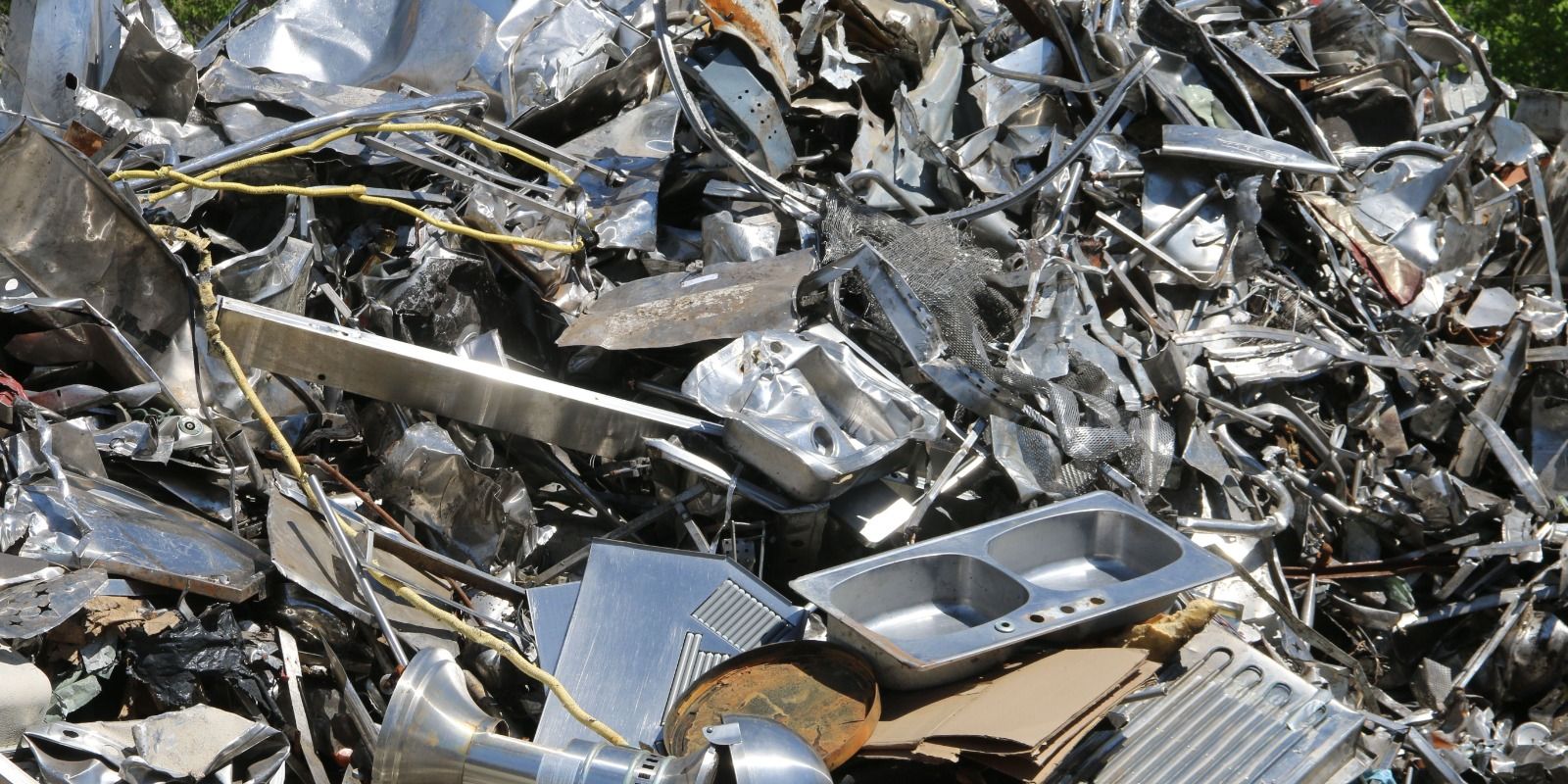
For businesses selling stainless steel scrap on WasteTrade, separation is important. Keep stainless steel apart from carbon steel, aluminium, copper and general waste where possible. Avoid mixing stainless steel with plastic, rubber, timber, insulation or oil-contaminated materials.
A good WasteTrade listing should answer the questions buyers are likely to ask:
• What type of stainless steel scrap is available?
• Is the grade known?
• How much material is there?
• Is the material clean or mixed?
• Is it loose, cut, bundled or prepared?
• Where is it located?
• Can it be loaded easily?
• Is the supply one-off or recurring?
The clearer the listing, the more confidently buyers can respond. Stainless steel scrap recycling works best when the seller gives the market enough information to assess the material properly.
Stainless Steel Recycler
A stainless steel recycler handles, sorts and processes stainless steel scrap so it can return to manufacturing and metal production supply chains. Depending on the material, this may involve collection, grading, separating, cutting, shredding, preparing, melting and refining.
For a business looking for a stainless steel recycler, the closest option is not always the best option. Stainless steel value depends heavily on grade, quantity and buyer requirements. A specialist recycler or buyer who understands stainless steel may be a better commercial fit than a general outlet treating the material as mixedscrap metal.
WasteTrade helps businesses find verified stainless steel recyclers and buyers through onemarketplace. Sellers can list stainless steel scrap and make it visible to buyers who are actively sourcing recyclable metal. Buyers can use WasteTrade to find stainless steel scrap from verified sellers across different locations.
This matters because stainless steel recycling is built on trust as well as price. Sellers want a serious buyer. Buyers want accurate material information. WasteTrade helps both sides work through a more structured trading route.
For recyclers, processors and merchants, WasteTrade can also support supply discovery. If a seller has regular stainless steel scrap available, the platform gives buyers visibility of that supply and the chance to build a commercial relationship around it.
Stainless Steel Recycling Prices
Stainless steel recycling prices vary according to grade, alloy content, quantity, cleanliness, market demand andtransportcost. There is no single stainlesssteel recycling pricethat applies to every load.
The value of stainless steel scrap is often influenced by elements such as nickel, chromium and molybdenum. This is why one grade of stainless steel may attract stronger interest than another. A clean, known-grade stainless steel load is usually easier for buyers to price than mixed or unidentified scrap.
The main factors affecting stainless steel recycling prices include:
• Stainless steel grade
• Nickel content
• Chromium content
• Molybdenum content
• Cleanliness
• Contamination
• Weight or volume
• Whether the material is known-grade or mixed
• Local and international demand
• Loading and transport cost
• Whether the supply is one-off or recurring
WasteTrade does not need to act as a fixed price list to be commercially useful. Its value is in market access. By listing stainless steel scrap on WasteTrade, sellers can show material to verified buyers who may have demand for that specific grade, quantity or location.
For sellers, the best way to improve stainless steel recycling price potential is to separate the material properly, identify the grade where possible, provide clear photographs and describe the load honestly.
For buyers, WasteTrade offers a way to search for stainless steel scrap supply from verified sellers rather than relying only on informal contacts.
Is Stainless Steel Recyclable?
Yes, stainless steel is recyclable. It can be collected, sorted, melted and reused in new stainless steel or other metal products. Stainless steel scrap is valuable because it contains alloying elements that can be recovered and returned to production.
For businesses, the more important question is how stainless steel should be recycled commercially. Stainless steel should not simply be thrown into mixed metal waste if it can be separated and described as a specific material stream.
A restaurant group replacing commercial kitchen equipment, a manufacturer producing stainless steel offcuts or a factory removing tanks and pipework may all have recyclable stainless steel with commercial value. The material may need grading, preparation or specialist handling, but it should be assessed properly before being treated as general scrap.
WasteTrade helps businesses make that step. Sellers can list stainless steel scrap with the details buyers need, while buyers can search for available stainless steel and other recyclable materials through a verified marketplace.
Stainless steel is recyclable, but value depends on the route. WasteTrade helps create that route.
How Is Stainless Steel Recycled?
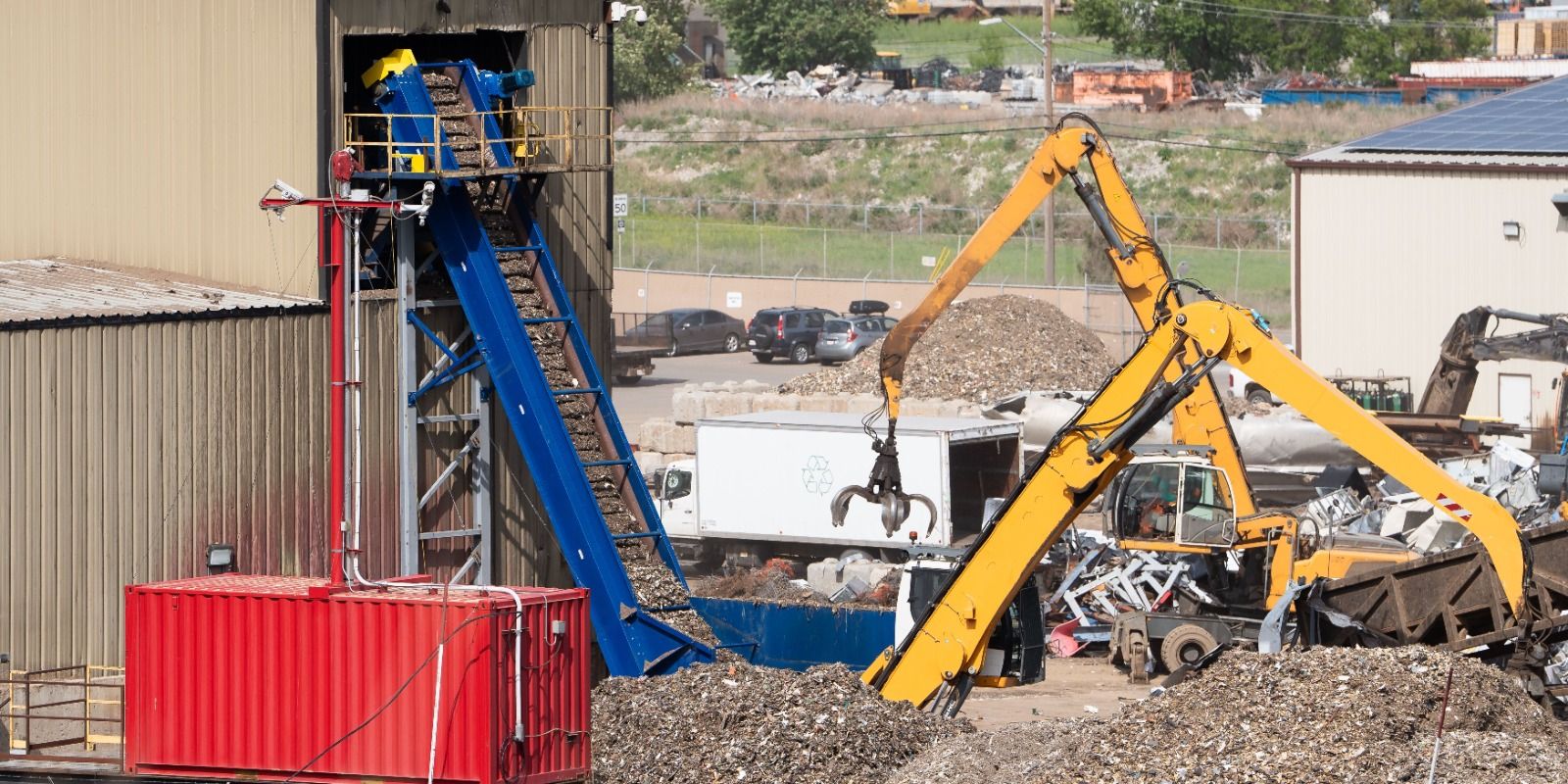
Stainless steel recycling usually begins with collection and sorting. The material is separated from other metals and waste materials, then assessed by type, condition and, where possible, grade.
Grade identification is important because stainless steel is not one single material. Different grades contain different alloying elements, and buyers may need to know whether the material is 304, 316 or another grade. In some recycling operations, testing methods such as handheld analysis can help confirm composition.
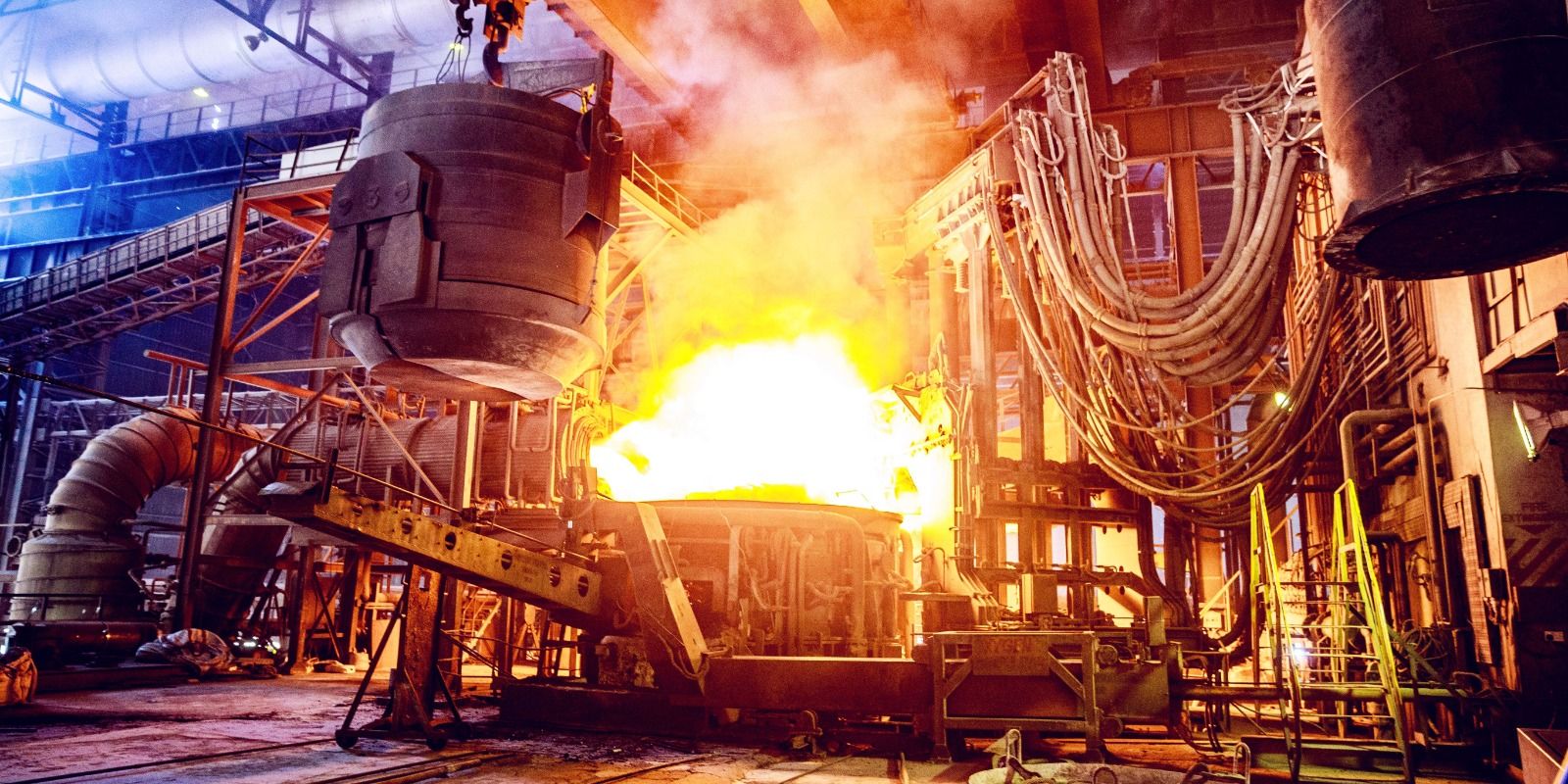
Once sorted, stainless steel scrap may be cleaned, cut, shredded or prepared for processing. Contaminants such as plastic, rubber, timber, oil or attached non-metal components may need to be removed. The material can then be melted, refined and adjusted to meet the required composition before being used again in new stainless steel or other metal products.
For sellers on WasteTrade, the technical process matters because it affects buyer interest. A clean, well-separated stainless steel load is easier to assess and usually easier to place than unknown mixed scrap.
The role of WasteTrade is to bring the material and the buyer together. The seller provides the commercial facts. The buyer evaluates the material. WasteTrade supports a more secure route for the transaction.
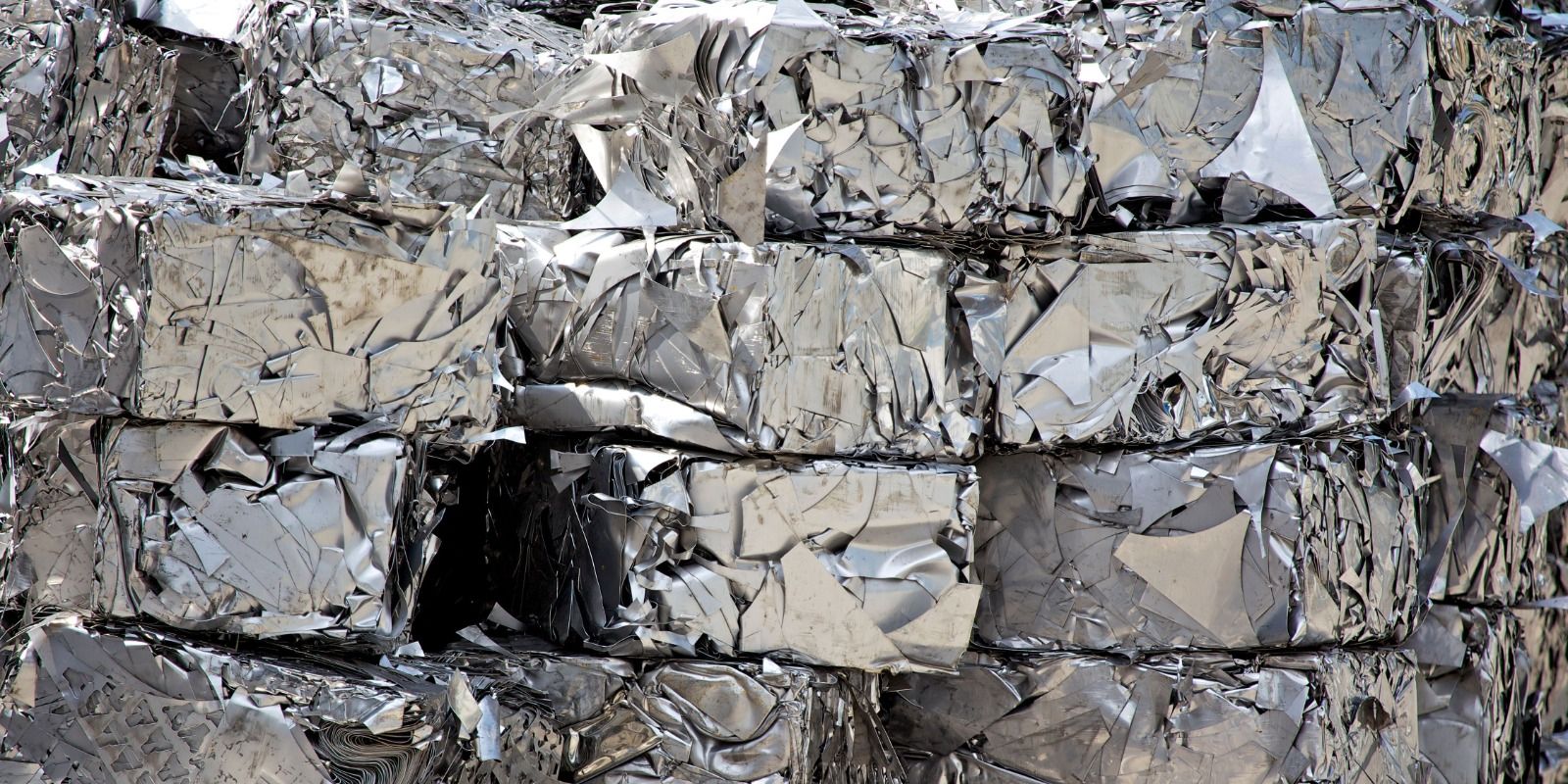
Stainless Steel Scrap Value
Stainless steel scrap value depends on grade, alloy content, cleanliness, quantity and market demand. It is not enough to say that material is “metal” or even simply “steel”. Stainless steel needs to be identified and presented properly.
Known-grade stainless steel usually gives buyers more confidence. Clean 304 or 316 stainless steel scrap, for example, is easier to assess than a mixed load containing unknown stainless, mild steel, aluminium and other materials.
Form also matters. Clean fabrication offcuts may be easier to handle than large dismantled equipment. Pipework, tanks, sheets, frames and fittings may all need different preparation or handling. Buyers will also consider transport, loading access and whether the supply is available regularly.
Businesses can protect stainless steel scrap value by:
• Keeping stainless steel separate from mild steel
• Keeping known grades apart where possible
• Removing obvious non-metal attachments
• Avoiding unnecessary contamination
• Providing accurate weights
• Taking clear photographs
• Stating whether supply is ongoing
• Listing the material on WasteTrade for verified buyers
WasteTrade helps sellersturn stainless steel scrap value into a real commercial opportunity. The platform gives buyers visibility of available material and gives sellers a proper route to market.
Stainless Steel Recycling Near Me
Many businesses search for stainless steel recycling near me because they want a quick local route for material. A nearby stainlesssteel recyclermay be useful, especially for small loads or urgent collections. But for higher-value stainless steel scrap, the nearest option may not always be the strongest commercial route.
The right buyer depends on the grade, quantity, cleanliness, location, transport cost and demand for that specific material. If a business has known-grade stainless steel scrap, recurring supply or bulk volume, it may be worth reaching beyond the closest recycler.
WasteTrade helps sellers look beyond a narrow local search. By listing stainless steel scrap on WasteTrade, businesses can reach verified buyers andrecyclersacross a wider marketplace. This can be especially valuable when the material needs a buyer who understands stainless steel grades and alloy value.
For buyers, WasteTrade also makes it easier to find stainless steel scrap from verified sellers. Instead of waiting for supply to appear through informal networks, buyers can search for listed material and make commercial enquiries.
If you are searching for stainless steel recycling near you, WasteTrade gives you a broader option: list the material, reach verified counterparties and find a commercial route that fits the load.
Recycling Stainless Steel Scrap
Recycling stainless steel scrap commercially is about preparation, accuracy and buyer access. The material should be separated where possible, described clearly and offered to buyers who understand its value.
Before listing stainless steel scrap on WasteTrade, sellers should check:
• Is the material stainless steel?
• Is the grade known?
• Is it separated from mild steel and other metals?
• Is it clean or contaminated?
• How much is available?
• Is the supply one-off or recurring?
• Are there clear photographs?
• Can the material be loaded safely?
• Are there documents, specifications or previous grade records?
A strong listing helps buyers make a quicker decision. It also reduces the risk of cautious pricing caused by unclear information.
WasteTrade is designed for businesses that want to buy and sell recyclable commodities through a more secure and structured marketplace. For stainlesssteel recycling, that means sellers can present material to verified buyers, while buyers can source stainless steel scrap from sellers who have provided the details needed to assess the load.
Stainless steel recycling is not just a waste management task. For the right business, it is a commercial opportunity. WasteTrade helps make that opportunity visible.
FAQs
Can I sell stainless steel scrap on WasteTrade?
Yes. Businesses can list stainless steel scrap on WasteTrade and connect with verified buyers and recyclers. A strong listing should include grade if known, quantity, location, photographs, condition and loading details.
Why is stainless steel recycling different from ordinary steel recycling?
Stainless steel is more grade-sensitive because its value is affected by alloying elements such as nickel, chromium and molybdenum. It should not be mixed with ordinary steel scrap where separation is practical.
What stainless steel grades are most important?
Common grades such as 304 and 316 are often important in stainless steel recycling because they have different compositions and commercial values. If the grade is known, it should be included in the WasteTrade listing.
Does stainless steel scrap need to be separated?
Yes, where practical. Keeping stainless steel separate from mild steel, carbon steel, aluminium, copper and general waste can make the material easier to assess and more attractive to buyers.
What affects stainless steel recycling prices?
Stainlesssteel recyclingprices depend on grade, alloy content, cleanliness, quantity, market demand, location and transport cost. Known-grade, clean stainless steel scrap is usually easier for buyers to price than mixed or unidentified material.
Can WasteTrade help me find stainless steel recyclers?
Yes. WasteTrade helps sellers reach verified stainless steel recyclers and buyers through a structured marketplace. This can be useful when the right buyer matters more than simply finding the nearest recycler.
What types of stainless steel scrap can be listed?
Businesses can list stainless steel offcuts, tanks, pipework, commercial kitchen equipment, fittings, sheet metal, containers, machinery and other industrial stainless steel scrap. The listing should make clear whether the material is clean, mixed, known-grade or contaminated.
Is stainless steel recyclable if the grade is unknown?
Yes, but unknown-grade stainless steel may be harder for buyers to assess. If the grade is not known, provide clear photographs, describe the source of the material and state whether any documents or previous specifications are available.
Can buyers source stainless steel scrap on WasteTrade?
Yes. Buyers can use WasteTrade to find stainless steel scrap from verified sellers. This is useful for recyclers, processors, merchants and manufacturers looking for specific material streams or recurring supply.
How do I protect stainless steel scrap value?
Keep stainlesssteelseparate, avoid unnecessary contamination, keep known grades apart where possible and provide accurate information in the WasteTrade listing. Better information gives buyers more confidence and can improve the commercial route.


