Copper Scrap Price: Key Information
- Copper scrap price depends on copper market conditions, material grade, recoverable copper content, cleanliness, weight, location, logistics and buyer demand.
- WasteTrade allows sellers to present actual copper loads to verified buyers rather than relying on a single published rate or local quote.
- Clean copper, insulated wire, copper cable, copper pipe and mixed copper scrap carry different values because processing and recovery requirements vary.
- Copper prices per kilogram or pound are useful benchmarks but do not determine the final value of a specific scrap load.
- Clear photographs, accurate weights, grade information and honest contamination details help buyers price material with greater confidence.
- Higher-grade and cleaner copper generally requires less processing and can attract stronger buyer interest.
- WasteTrade prices are shaped by real marketplace demand rather than a universal fixed scrap rate.
- Sellers can use WasteTrade to expose material to buyers whose processing needs and current demand match the copper being offered.
Copper Scrap Price
Copper scrap price is the figure businesses want when they have copper wire, cable, pipe, clean copper, production offcuts or demolition scrap to sell, but the number only matters when it reflects real buyer demand.
A search result can give a rough benchmark. A scrap yard can give one local quote. A commodity chart can show wider copper movement. None of those alone tells a business what its own copper load is worth in trade. The commercial value depends on what the material is, how clean it is, how much is available, where it is, how it is packed, what processing it needs and which buyers are actively looking for that type of copper.
That is whereWasteTradematters. WasteTrade gives commercial sellers a route to list copper scrap, show the material properly, reach verified buyers and get the load judged on its real trading potential. Buyers can use WasteTrade to find copper scrap opportunities with clearer information on grade, quantity, location, packaging and availability.
The purpose of this page is not to pretend that copper scrap price is one fixed number. It is to help WasteTrade customers understand what drives price, how to present copper material properly and how to move from a general price search to a serious commercial enquiry.
Copper Scrap Price
Copper Scrap Price is shaped by three things before anything else: the copper market, the material grade and the buyer’s confidence in the load.
The copper marketgives the backdrop, but scrap copper is not priced exactly like refined copper on a commodity exchange. A buyer has to allow for collection, processing, sorting, contamination, recovery loss and margin. That is why a headline copper price can move in the right direction while two scrap sellers still receive very different offers.
WasteTrade helps close that gap between market interest and real trading value. A seller can list the material with clear photos, weight, location, packaging and grade information. Verified buyers can then judge the load as an actual commercial opportunity rather than a vague enquiry.
For copper scrap price, detail creates confidence. A listing that says “mixed copper available” is weak. A listing that says “clean copper pipe, approximately 8 tonnes, stored indoors, photos attached, available for collection from Manchester” gives buyers something they can work with.
Scrap Copper Prices
Scrap Copper Prices vary because copper scrap is not one material category. It is a collection of different copper-bearing streams, each with its own recovery value withinrecyclingstreams.
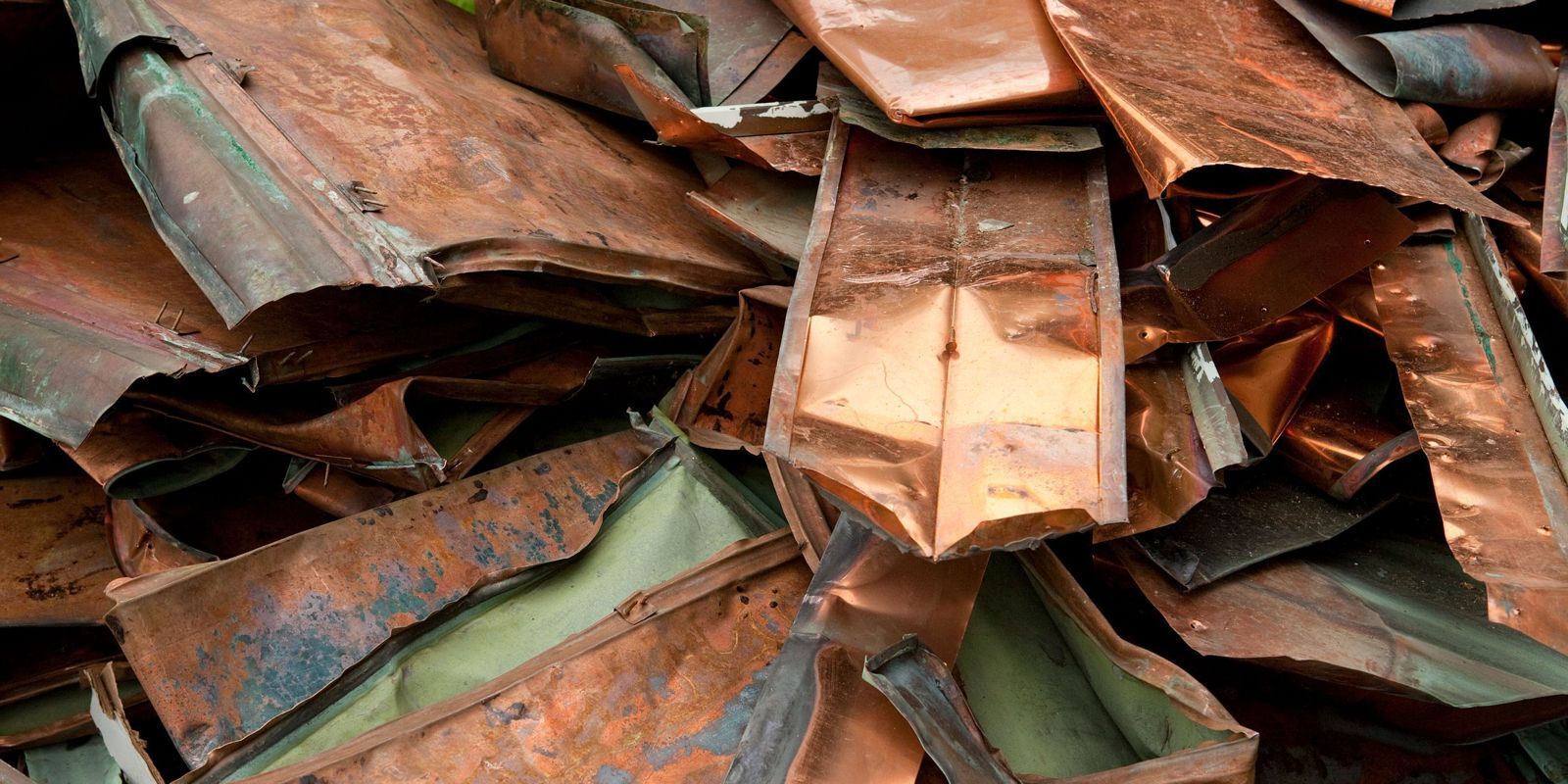
Clean copper offcuts from a manufacturing site maybenefitfrom needing very little preparation. Insulated copper cable may need stripping or granulation. Copper pipe from a refurbishment project may include solder, paint or fittings. Mixed copper-bearing scrap may include other metals, plastics, fixings and waste that reduce the recoverable value.
WasteTrade sellers should avoid treating scrap copper prices as a single universal rate. The better approach is to separate material where possible, describe it honestly and let relevant buyers assess it. A cablerecyclermay value one type of load differently from a general scrap buyer. A processor looking for clean copper may respond more strongly to separated pipe or production scrap.
Scrap copper prices become more useful when they are attached to a real material description, not just a search term.
Copper Price Today
Copper Price Today is useful background for anyone selling or buying copper scrap, but it is not the same as the price of a scrap load.
The daily copper market influences buyer sentiment. If copper demand is strong, scrap buyers may become more active. If the market softens, buyers may become more cautious. But the condition of the material still decides the commercial result. A clean, sorted load can perform very differently from mixed, contaminated copper-bearing waste.
WasteTrade customers should use copper price today as a reference point, then focus on the things they can control. That means separating material, giving accurate weights, taking clear photos, explaining the grade if known and making the load visible to verified buyers.
For buyers on WasteTrade, copper price today also gives context when sourcing material. They can compare market direction with the quality and availability of listed copper scrap.
Copper Price Per Pound
Copper Price Per Pound is especially common in US searches, but WasteTrade pages should serve both US and UK intent without creating separate versions of the same page.
The important point is that a per-pound figure only means something when the material type is known. A pound of bright cleancopper wireis not equivalent to a pound of insulated cable, because part of the cable weight is insulation. A pound of clean copper pipe is not equivalent to mixed demolition scrap with attachments.
WasteTrade sellers using pounds should make that unit clear in the listing. They should also include the total load weight, photos, material description, location and packaging. Buyers need enough detail to judge recoverable copper content, not just gross weight.
Copper price per pound is a useful search phrase, but for commercial selling, the buyer must know what each pound actually contains.

Copper Price Per Kg
Copper Price Per Kg is more familiar to many UK and European sellers, especially those handling copper from construction, demolition, electrical work, plumbing, manufacturing or waste management operations.
The same rule applies: price per kg is only useful when the copper type is clear. Clean copper can be priced more confidently than mixed material. Insulated wire needs recovery assessment. Cable may be judged on copper content rather than full weight. Pipe may be affected by fittings, paint, solder and site contamination.
OnWasteTrade, sellersshould list copper in the unit that reflects their market, but the supporting information matters more than the unit itself. A buyer wants to know what the material is, how much is available, where it is and how easily it can be collected or processed.
For commercial loads, copper price per kg often becomes part of a wider negotiation that includes volume,logisticsand buyer demand.
Scrap Copper Price Today
Scrap Copper Price Today is a high-intent search because the seller is usually close to making a decision. They either want to sell now, compare an offer or check whether they are being quoted fairly.
That is exactly where WasteTrade can be useful. A static price estimate may help with context, but a real copper load needs real buyer attention. By listing the material on WasteTrade, a seller can present the load to verified buyers who understand the grade, location and processing requirements.
Scrap copper price today will depend on market movement, but also on immediate buyer appetite. A buyer who needs clean copper this week may assess a load differently from one with limited capacity or no current demand for that material. Timing can matter.
WasteTrade gives sellers a way to test current commercial demand rather than relying only on a general published figure.
How Much Is Copper Worth?
How Much Is Copper Worth is the question behind most price searches, but the answer changes once the copper becomes scrap.
Copper is valuable because it is widely used in electrical systems, construction, plumbing, manufacturing, motors, transport, power networks and industrial equipment. It can also berecycledrepeatedly, which helps sustain demand for secondary material. That underlying value is why businesses should not treat copper waste casually.
For a seller, the worth of copper depends on its form. Clean copper, stripped wire, insulatedcable, pipe, busbar, sheet, turnings and mixed copper-bearing scrap will not be valued equally. Buyers look at recoverable metal, contamination, weight and logistics.
WasteTrade turns “how much is copper worth?” into a more practical commercial process. Sellers can show what they actually have, and buyers can respond based on the material, not guesswork.
How Much Is Scrap Copper Worth?
How Much Is Scrap Copper Worth is a sharper question because scrap value depends on recovery, not theory.
A seller may have copper, but the buyer needs to know how much usable copper can realistically be recovered. That is why insulation, coatings, fittings, solder, attached metals, dirt, moisture and mixed waste all matter. They affect processing cost and final value.
WasteTrade sellers can improve the answer by preparing the load before listing. Separate clean copper from lower-grade material where possible. Keep cable apart from pipe. Do not bury copper in mixed scrap if it can be avoided. Take clear photos and give buyers honest details.
Scrap copper is often worth good money, but the strongest commercial result comes when the material is visible, credible and easy for buyers to assess.
Copper Scrap Value
CopperScrap Valueis built from grade, weight, cleanliness, location, packaging, buyer demand and transport cost.
Grade tells the buyer what kind of copper is available. Weight tells them whether the load is worth collection or processing. Cleanliness affects recovery. Location affects haulage. Packaging affects handling. Buyer demand decides how competitive the opportunity becomes.
WasteTrade listings should be written with those value factors in mind. A strong listing is not a casual note. It should give the buyer enough information to decide whether the load deserves attention.
For example, a recurring stream of clean copper offcuts from a factory may carry more commercial appeal than an uncertain one-off mixed load. A well-photographed copper pipe load with clear weights may be easier to price than loose material shown in poor images.
Copper scrap value rises when uncertainty falls.
Scrap Copper Value
Scrap Copper Value can change significantly between two loads that appear similar by weight.
One tonne of clean, separated copper pipe is not the same as one tonne of mixed cable, plastic, plugs and site waste. One tonne of stripped copper wire is not the same as one tonne of insulated wire. Buyers pay for the recoverable copper and the ease of getting it back into usable form.
This is where WasteTrade sellers can protect value. If higher-grade copper is mixed into lower-grade material, the whole load may be priced more cautiously. If material is separated into clear streams, buyers can value each stream more accurately.
Scrap copper value is also affected by buyer fit. A specialist cable processor may see value in a cable load that a general buyer prices conservatively. WasteTrade helps expose material to buyers who are more likely to understand its specific value.
Cost of Scrap Copper
Cost of Scrap Copper is often searched by buyers as well as sellers. Sellers want to know what they might receive. Buyers want to understand what they may need to pay for feedstock.
On WasteTrade, both sides need the same thing: good material information. Buyers sourcing copper scrap need to know whether the load suits their plant, specification, location and buying strategy. Sellers need to present the copper clearly enough to attract serious interest.
The cost of scrap copper is not only a price per unit. For buyers, it includes transport, processing, sorting and recovery. For sellers, it may include storage, handling, preparation and the opportunity cost of accepting a weak offer too quickly.
WasteTrade supports a better commercial exchange by allowing copper scrap to be listed with the details that affect cost in the real world.
Price of Scrap Copper
Price of Scrap Copper depends on whether the buyer is looking at clean copper, cable, pipe, insulated wire, mixed scrap or copper-bearing components.
The strongest price discussions usually happen when the seller has done basic preparation. That does not mean over-processing every load. It means separating obvious grades, avoiding unnecessary contamination, confirming weight where possible and giving buyers clear evidence of what is available.
WasteTrade customers should think of price as the outcome of a proper listing, not just a number pulled from a search result. A buyer may be willing to pay more for a load they trust than for one that creates doubt.
Price ofrecyclable scrap copperis also influenced by competition. If more suitable buyers can see the material, the seller is less dependent on one local quote. That is a central commercial reason to use WasteTrade.
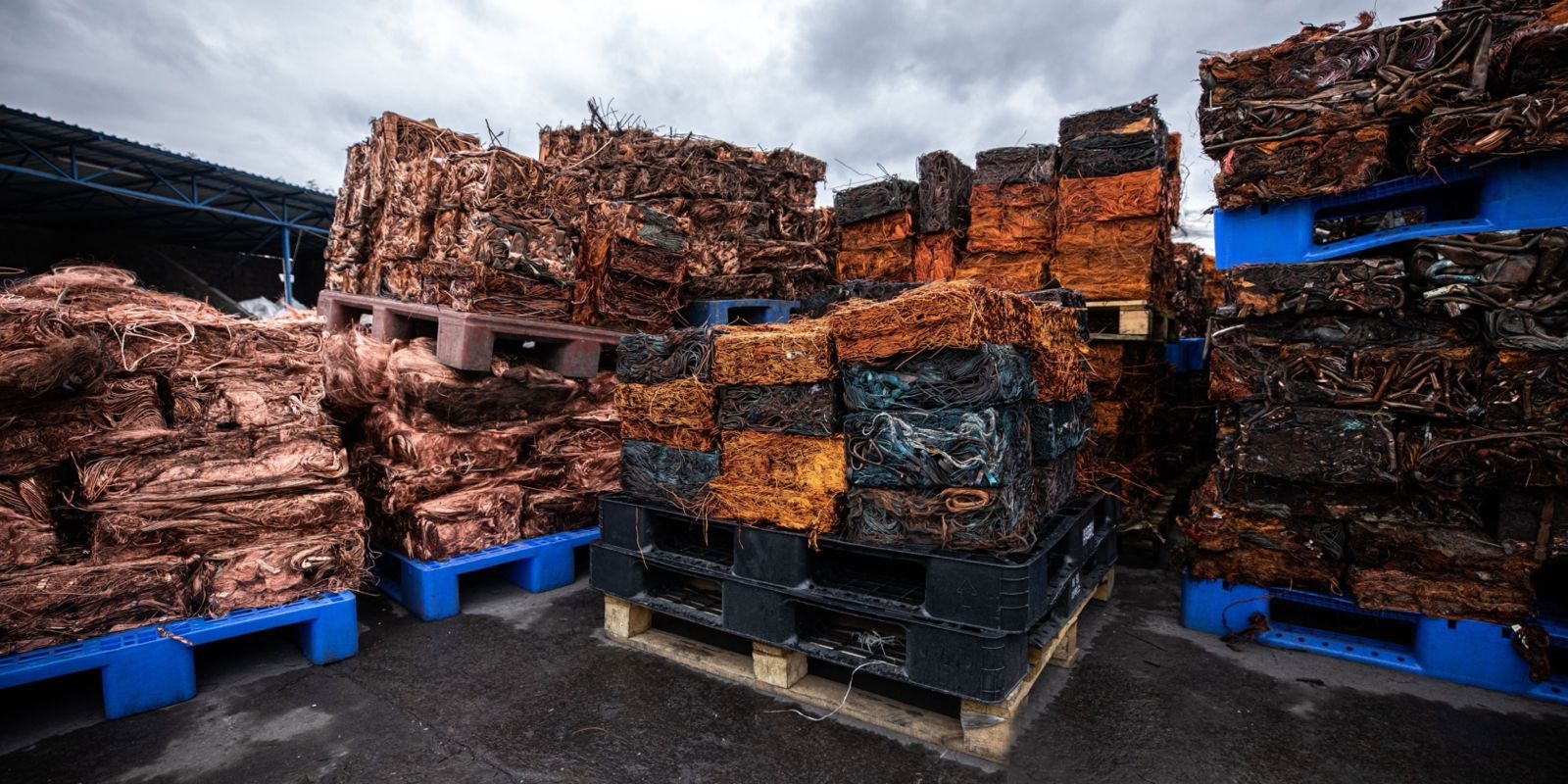
Copper Recycling Prices
Copper RecyclingPrices are closely linked to scrap copper prices, but the phrase often reflects what a recycler will pay after considering processing and recovery.
A recycler buying copper does not only ask, “how much copper is there?” They ask how clean it is, what work is needed, whether the load can be handled efficiently and what the recovered material can become. A clean copper load may be simple. Insulated cable, mixed electrical scrap or pipe with fittings can require more work.
WasteTrade helps sellers present the material in a wayrecyclerscan use. Photos, weight, grade, contamination, location and packaging all support more confident assessment.
For buyers, copper recycling prices have to make sense against processing capacity and end-market demand. WasteTrade gives them access to material opportunities with clearer commercial context than a blind enquiry.
Clean Copper Scrap Price
Clean Copper Scrap Price is usually stronger than lower-grade copper because clean copper is easier to process and easier to value.
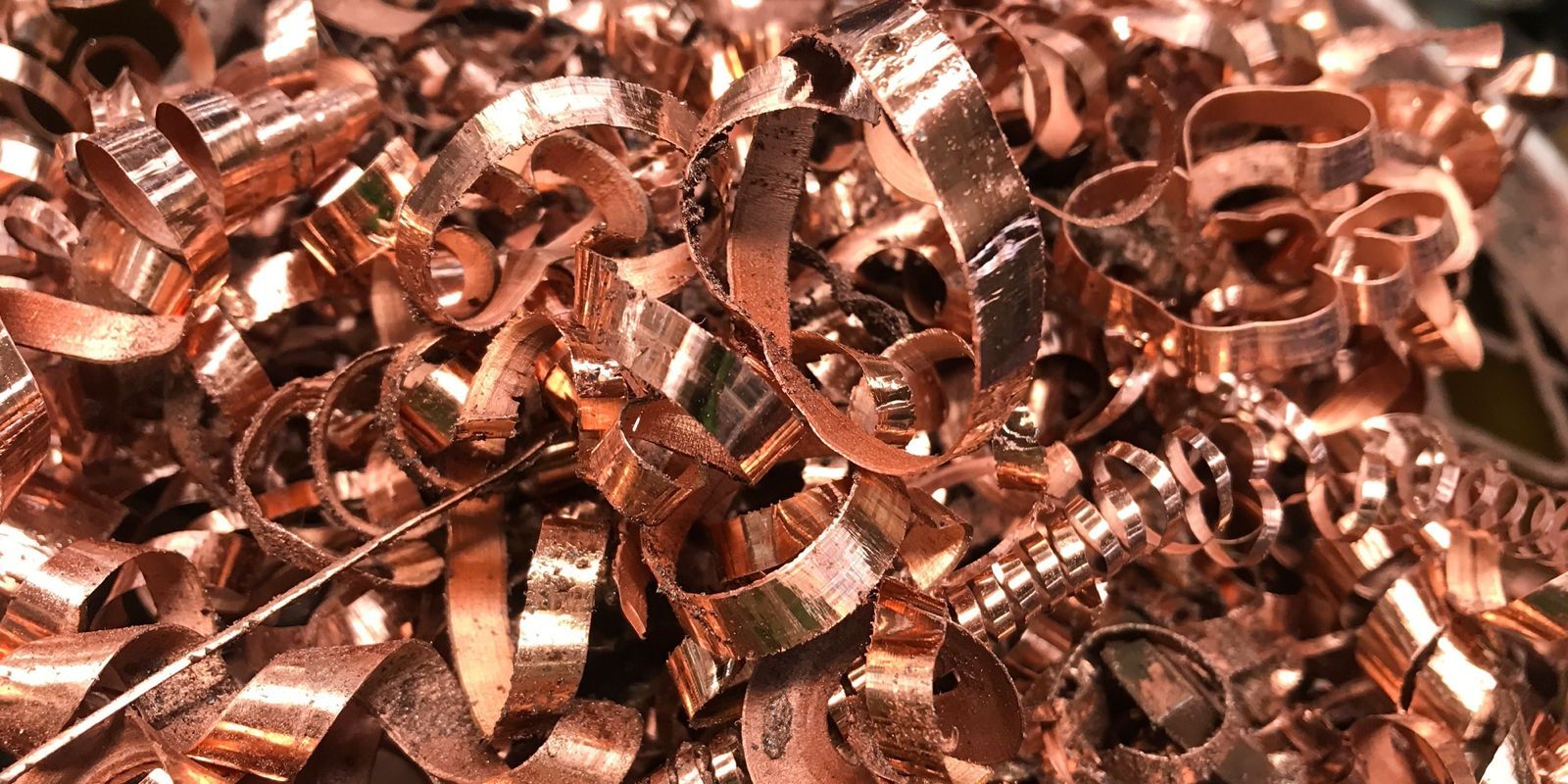
Clean copper may include separated pipe, stripped copper wire, busbar, sheet or production offcuts with little contamination. Buyers generally prefer material that is not mixed with plastic, steel, brass, insulation, solder-heavy fittings or general site waste. Cleaner material reduces uncertainty.
WasteTrade sellers should separate clean copper before listing wherever practical. If clean copper is mixed into a poor-quality load, the buyer may price the whole load cautiously. If it is listed separately, it can be assessed on its own merits.
A clean copper listing should include close-up photos, total weight, storage condition, packaging and any known contamination. Clean copper scrap price is helped by evidence, not broad claims.
#1 Copper Scrap Price
#1 Copper Scrap Price reflects higher-grade copper scrap, but sellers should be careful with grade claims because definitions can vary by buyer and region.
The commercial principle is simple. Higher-grade copper should be clean, well separated and low in contamination. If a seller describes material as #1 copper, the listing needs to support that claim with clear photographs and honest detail. If the grade is uncertain, it is better to describe the material properly and allow buyers to assess it.
On WasteTrade, trust matters. Overstating grade may create delays, disputes or revised offers. A credible listing is more valuable than an ambitious label.
#1 copper scrap price can be attractive, but only when the material condition justifies it. Sellers should make the buyer’s job easier by showing the material clearly from the start.
Copper Pipe Scrap Price
Copper Pipe Scrap Price is relevant for plumbers, demolition contractors, construction firms, facilities teams and businesses replacing heating, cooling or water systems.
Copper pipe can be a valuable scrap stream, but the condition matters. Clean pipe may attract stronger buyer interest. Pipe with solder, paint, insulation, brass fittings, valves or mixed site debris may be assessed differently. The buyer has to consider what is copper, what is not, and how much work is needed.
WasteTrade sellers should list copper pipe as a distinct stream where possible. Strong listings should show the pipe clearly, state the approximate weight, mention fittings or contamination and explain whether the supply is one-off or recurring.
Copper pipe scrap price is helped by separation. If pipe is buried inside mixed demolition waste, buyers have to price risk. If it is cleanly presented, they can judge value more confidently.
Copper Cable Scrap Price
Copper Cable Scrap Price depends on copper recovery rate, insulation, cable type, thickness, armouring, contamination and the buyer’s processing capability.
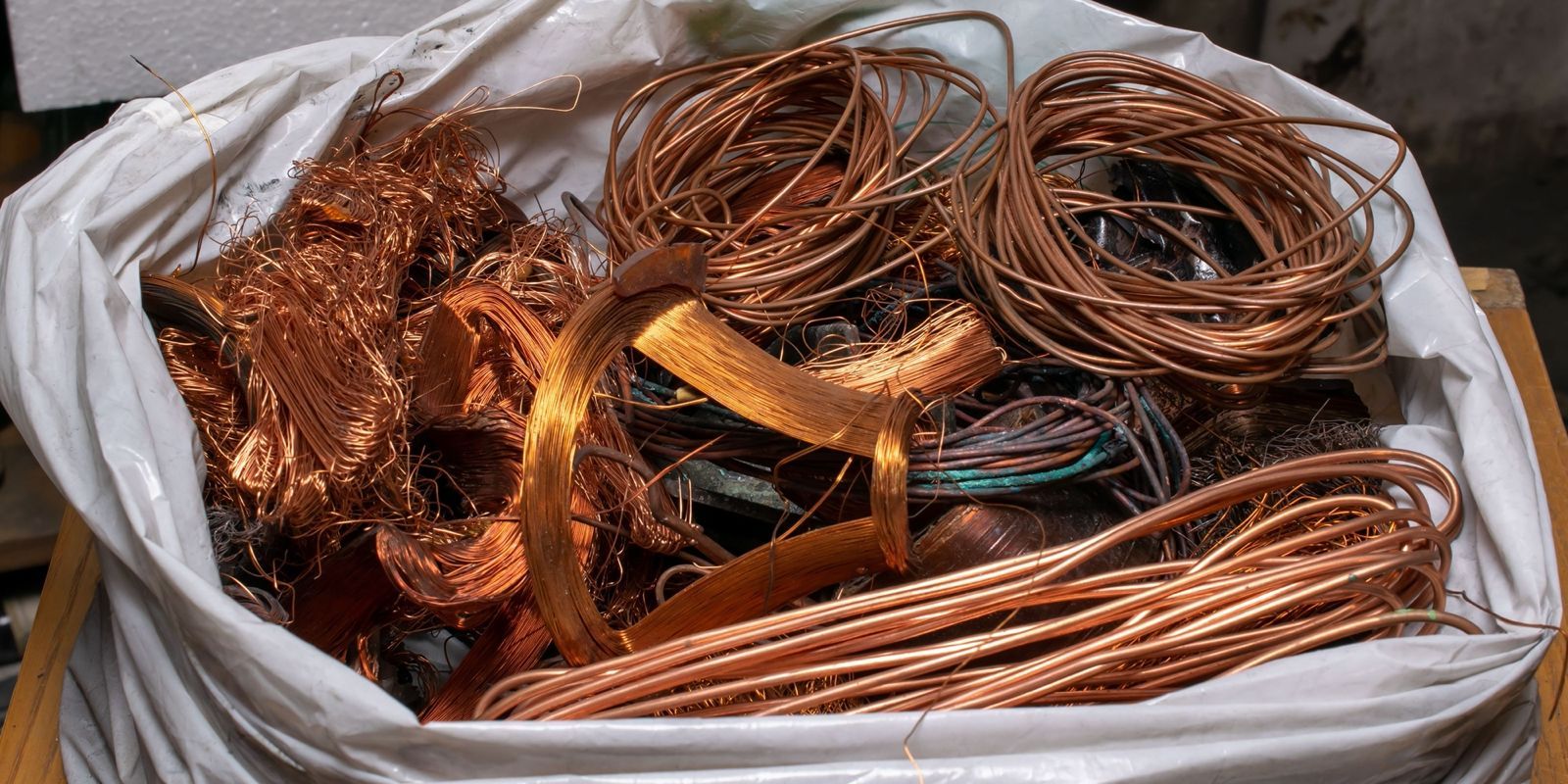
Cable is not priced like clean copper because the gross weight includes non-copper material. A heavy industrial cable may contain a strong recoverable copper percentage. Thin mixed electrical wiring may have lower recovery and higher processing effort. Armoured cable, plugs, connectors and mixed materials can further affect value.
WasteTrade is well suited to this kind of material because different buyers specialise in different copper streams. A cable processor may understand a load that a general scrap buyer prices cautiously. A seller should provide cable-specific photos, weight, packaging, location, storage condition and any information on cable type.
Copper cable scrap price improves when buyers can judge recovery potential without guessing.
Scrap Price of Copper
Scrap Price of Copper is the practical figure a buyer can justify after considering market conditions, material quality and the cost of getting that copper back into use.
For sellers, that means preparation and presentation are part of the price. Separate clean copper. Keep grades distinct. Photograph the load clearly. Confirm the weight. Describe contamination honestly. Explain where the material is and how it can be collected. State whether the supply is available once or regularly.
For buyers, the scrap price of copper depends on confidence. If the listing is clear, the buyer can move faster. If the material is vague, mixed or poorly documented, the buyer may need to discount risk.
WasteTrade’s commercial value is in creating a better marketplace for that exchange. Sellers can reach verified buyers. Buyers can source copper scrap with clearer information. Copper scrap price will always move, but better information and wider buyer access give the material a stronger chance of being valued properly.
FAQs
What Is the Copper Scrap Price Today?
Copper scrap price today depends on copper market movement, grade, weight, location, contamination, logistics and buyer demand. A published price can only be a guide until the material has been assessed.
Why Is the Scrap Price Lower Than the Copper Price Today?
The copper price today usually refers to wider market copper, not a specific scrap load. Scrap buyers must allow for collection, sorting, processing, contamination, recovery loss and margin.
Is Copper Priced Per Kg or Per Pound?
Both are used. UK and European sellers often use kilograms or tonnes, while US sellers commonly use pounds. WasteTrade listings should state the unit clearly.
How Can I Improve My Copper Scrap Price?
Separate copper by type, keep clean copper apart, take clear photos, confirm the weight, describe contamination honestly and list thenon-ferrous materialwhere verified buyers can assess it.
Is Clean Copper Worth More Than Insulated Copper Wire?
Usually, yes. Clean copper is easier to process, while insulated wire includes non-copper weight and requires separation before the copper can be recovered.
What Affects Copper Pipe Scrap Price?
Copper pipe scrap price is affected by cleanliness, weight, solder, paint, fittings, mixed metals, location, buyer demand and whether the pipe is separated from other site waste.
What Affects Copper Cable Scrap Price?
Copper cable scrap price depends on copper recovery rate, insulation type, thickness, armouring, contamination, total weight and buyer processing capability.
Can I Sell Copper Scrap on WasteTrade?
Yes. Commercial sellers can list copper scrap on WasteTrade so verified buyers can assess the material and make contact.
Does WasteTrade Set Copper Scrap Prices?
WasteTrade operates as a marketplace. Copper scrap prices are shaped by buyer demand, market conditions, material quality, logistics and the details provided in the listing.
What Should I Include in a Copper Scrap Listing?
Include material type, weight, photos, location, packaging, grade if known, contamination level, collection access and whether the supply is one-off or recurring.


