Aluminium Recycling Prices: Key Information
- Aluminium recycling prices vary according to grade, alloy, cleanliness, contamination, quantity, location, transport costs and buyer demand.
- There is no single aluminium scrap price that applies to every load or market.
- WasteTrade allows sellers to list aluminium scrap for verified buyers, helping businesses test genuine market demand rather than depend on one local quotation.
- Clean, consistent and well-described aluminium streams are generally easier for buyers to price confidently.
- Scrap aluminium may be discussed per kg or per tonne, although bulk commercial trades depend on the full economics of collection, processing and material yield.
- Global aluminium markets, currency movements, energy costs, tariffs and other trade conditions can also influence aluminium scrap value.
- Sellers can strengthen their commercial position through good segregation, accurate weights, clear photographs and honest information about contamination.
- WasteTrade buyers can also source recycled aluminium or create wanted listings for specific requirements.
Aluminium Recycling Prices
Aluminium recycling prices matter because aluminium scrap is not just a waste stream. For many businesses, it is a recoverable material with real market value. The price a seller receives can vary widely depending on the type of aluminium, the quality of the material, the volume available, where it is located and how easy it is for a buyer to process and move.
WasteTradehelps businesses understand the commercial opportunity behind aluminium recycling prices by giving sellers access to verified buyers across the marketplace. Instead of relying on one local quote or an informal contact, sellers can list aluminium scrap on WasteTrade and make the material visible to buyers who are actively looking for recyclable aluminium.
There is no single fixed aluminium recycling price that applies to every load. Clean production scrap, mixed non-ferrous material, aluminium cans, extrusion scrap, sheet aluminium and cast aluminium can all be priced differently. Even the same material can achieve different buyer interest depending on location, transport cost, quantity, contamination and current demand.
WasteTrade does not reduce aluminium recycling to a static price list. The platform gives businesses a more practical route: describe the material clearly, list it for verified buyers, and let the market assess its value. For sellers, that can create a stronger commercial route than accepting the first available offer. For buyers, it provides access to aluminium material from verified sellers with clearer information attached.
Scrap Aluminium Price
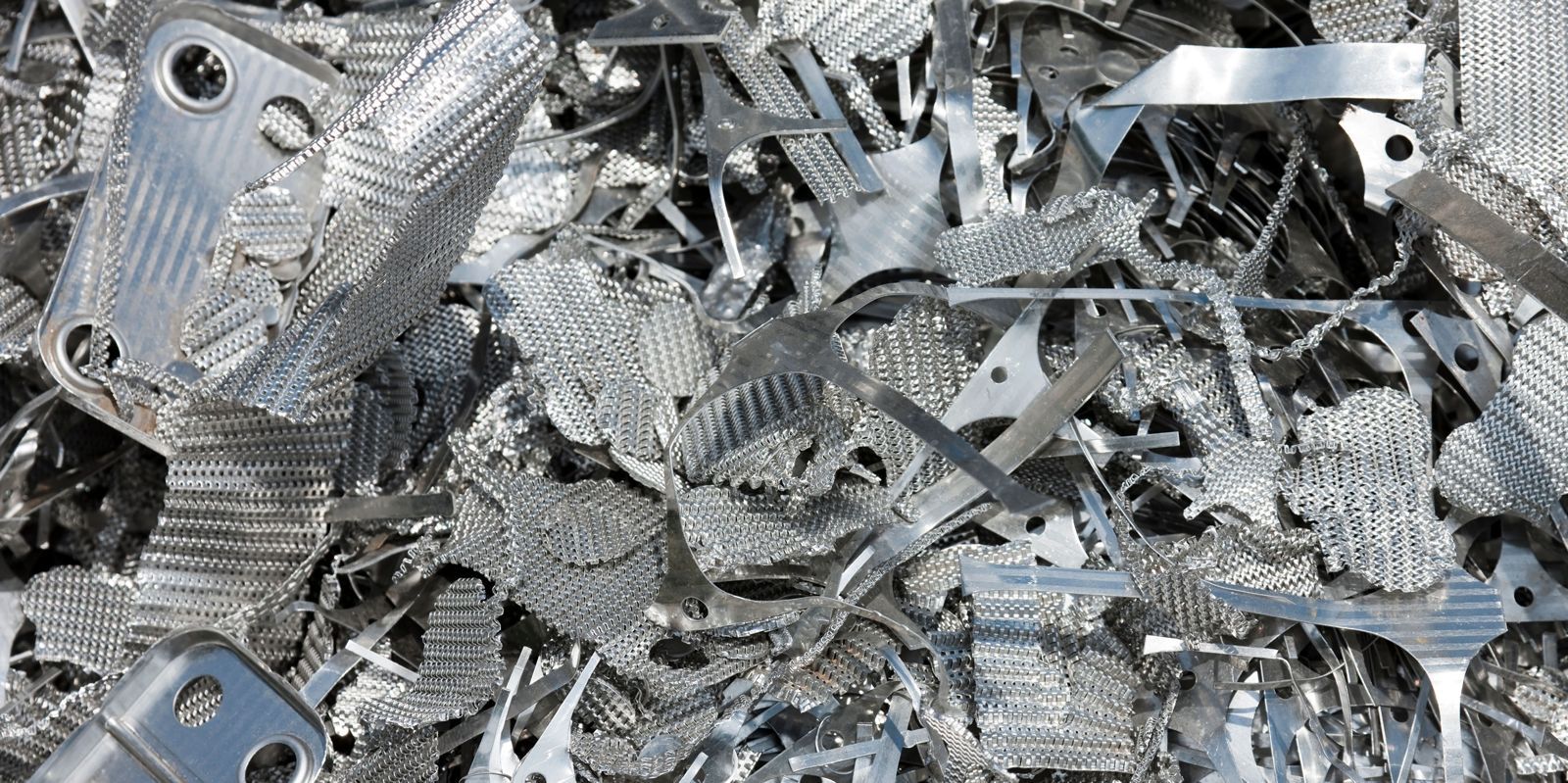
Scrap aluminium price is shaped by both metal-market conditions and the condition of the actual material. While wider aluminium markets can influence sentiment, the price of scrap aluminium is not simply copied from a benchmark. A buyer still has to consider grade, contamination, processing requirements,transportand whether the material fits their end use.
This is why two aluminium scrap loads can achieve different prices even if they are available on the same day. Clean, separated aluminium production offcuts may be more attractive than mixed aluminium with plastic, rubber, steel or coating contamination. A bulk load in a location with strong buyer demand may perform better than a small or awkward load that is expensive to collect.
For WasteTrade sellers, the best approach is to make the material easy to assess. A scrap aluminium listing should include the material type, estimated tonnage, location, number of loads, whether the material is loose or baled, how it is stored, clear photos and any known contamination. Buyers are more likely to engage seriously when they can see what they are pricing.
Scrap aluminium price is not only about what the material is worth in theory. It is about what a verified buyer is prepared to pay for that specific load, in that location, under those conditions. WasteTrade helps sellers test that commercial demand by putting aluminium scrap in front of buyers who are already looking for recyclable material.
Aluminium Scrap Value
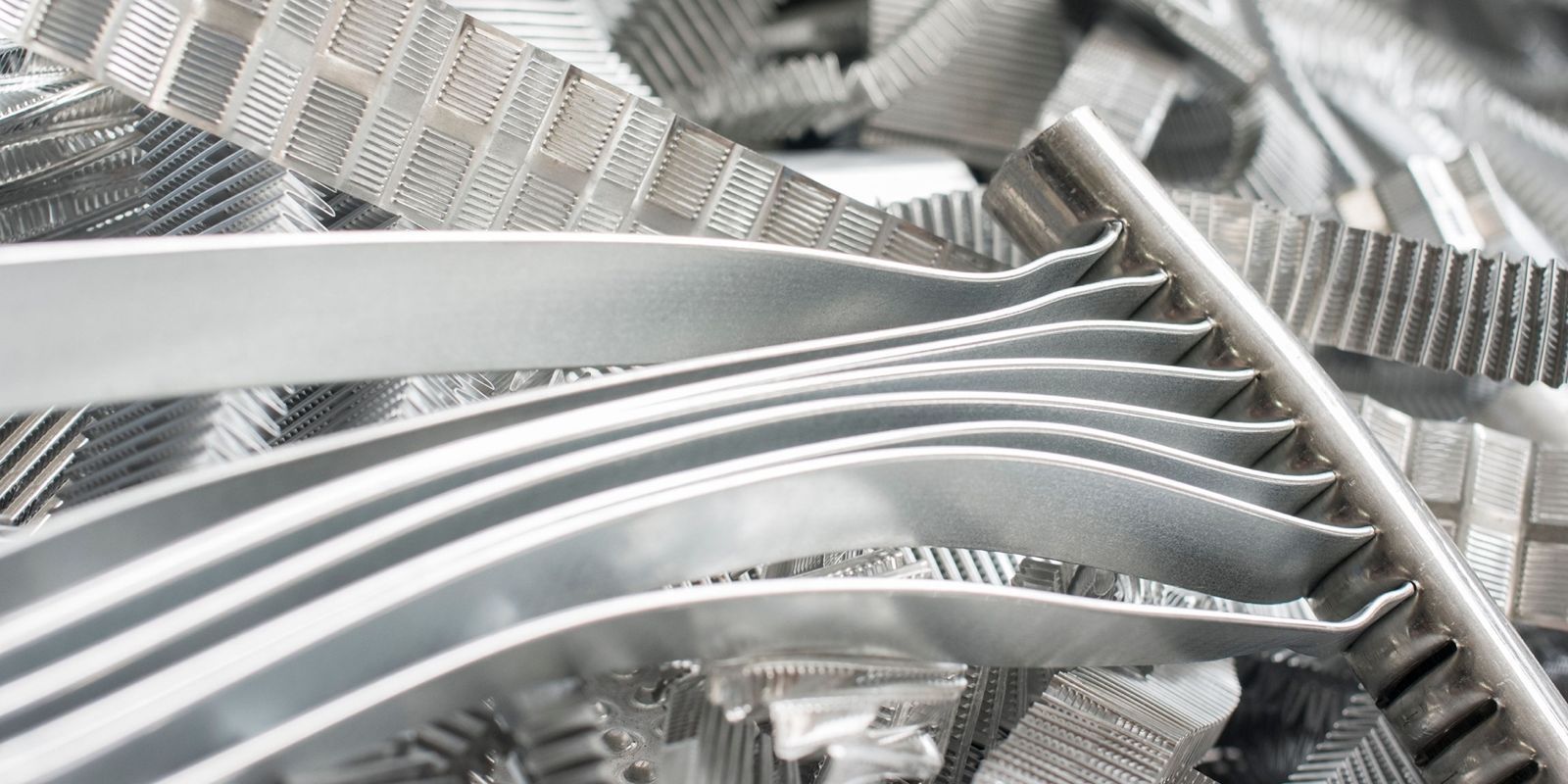
Aluminium scrap value is broader than headline price. It includes the quality of the material, the reliability of the supply, the cost of moving it, the ease of processing it and the buyer’s confidence in what is being offered.
A clean, regular aluminium scrap stream from a manufacturing site may have stronger value than an uncertain mixed load, even if both contain aluminium. The reason is simple: buyers are not only paying for metal content. They are also pricing risk. If the material is consistent, well segregated and accurately described, the buyer has fewer unknowns. If the load is mixed, wet, contaminated or poorly photographed, the buyer may discount it to protect themselves.
WasteTrade customers can improve aluminium scrap value by preparing material properly before listing. Separate aluminium from other metals where possible. Keep it away from general waste. Avoid unnecessary contamination. Record approximate weights. Take clear photos. Explain whether the stream is one-off or ongoing. State whether the material is loose, baled, boxed, bagged or loaded in stillages.
A good listing will not guarantee a particular aluminium scrap value, but it can help buyers price the material more confidently. That matters commercially. The easier it is for buyers to understand the material, the easier it is for them to decide whether to bid, collect, process or trade it.
Recycled Aluminium Price
Recycled aluminium price is relevant to both sellers and buyers on WasteTrade. Sellers want to understand what their aluminium material may be worth. Buyers want to know whether recycled aluminium supply is commercially viable compared with primary material or other available secondary sources.
The price of recycled aluminium depends on specification. Material form, grade, alloy, cleanliness, contamination level, volume, location, consistency and documentation can all affect buyer interest. Recycled aluminium suitable for one process may not be suitable for another. Foundries, recyclers, processors, traders and manufacturers may all value material differently depending on their requirements.
For buyers on WasteTrade, the platform gives access to recycled aluminiumlistingsfrom verified sellers. Buyers can browse what is available or create wanted listings for a particular material type, location or volume. This helps buyers move beyond narrow supply channels and find material that matches their operational needs.
For sellers, recycled aluminium price is strongest when the material is presented as a credible supply opportunity. If a seller can show what the material is, how much is available, where it is, how often it arises and what condition it is in, buyers can make a more serious assessment. WasteTrade gives sellers the structure to provide that information and reach buyers who understand the value of recyclable aluminium.
What Affects Aluminium Scrap Prices?
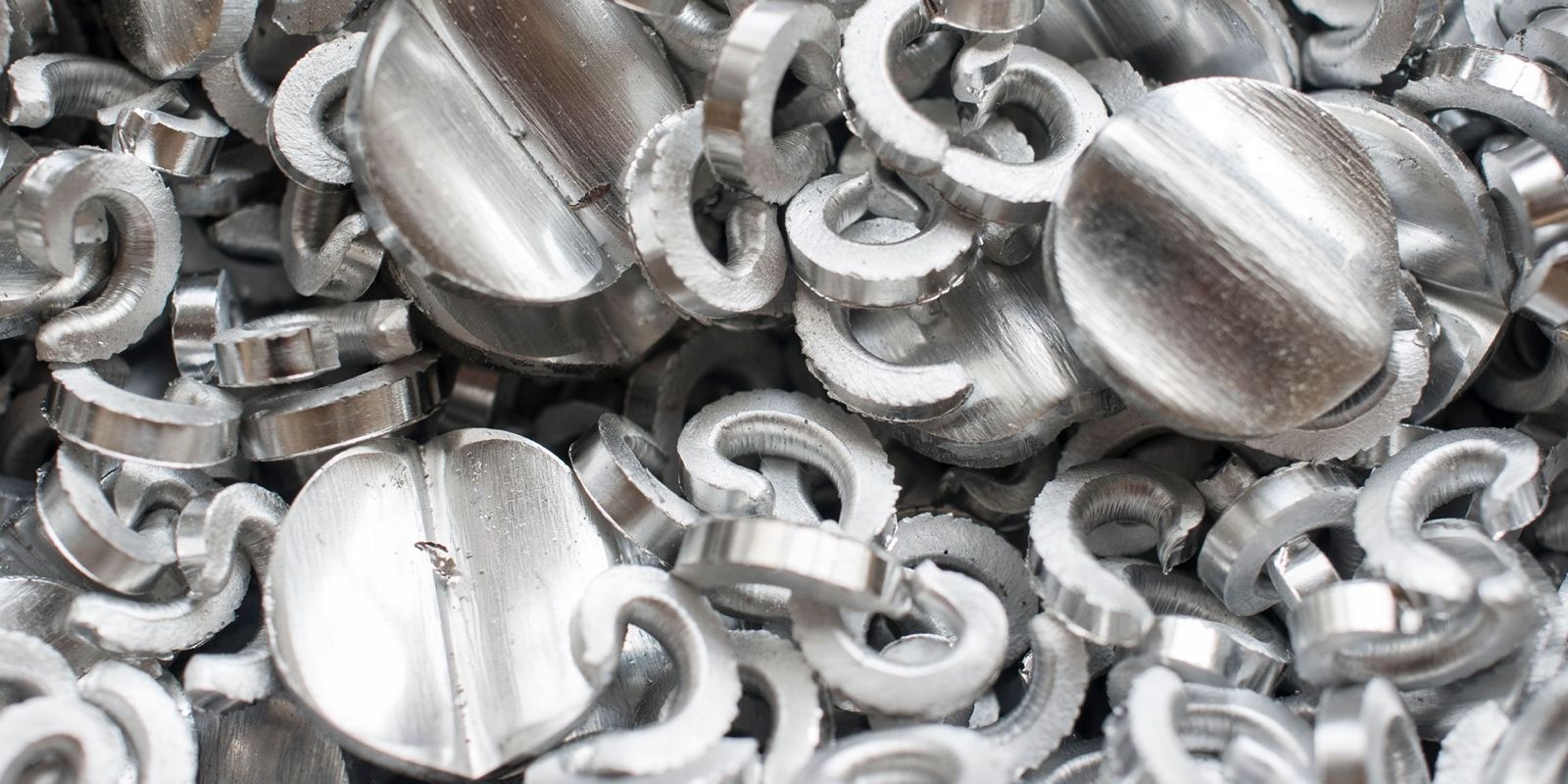
Aluminium scrap prices are affected by several factors, and most commercial aluminium loads are priced through a combination of material quality and market conditions.
The main price drivers include:
• Aluminium type and grade
• Cleanliness and contamination level
• Whether the material is separated or mixed
• Load size and regularity of supply
• Location and transport distance
• Ease of loading and collection
• Buyer demand in the relevant market
• Processing cost
• Currency movement
• Energy costs
• Wider aluminium market conditions
• Trade restrictions, tariffs, sanctions or other political factors
Sellers can control some of these factors but not all of them. A business cannot control global aluminium demand, currency movement or wider commodity markets. It can control how material is separated, stored, photographed, described and listed.
That distinction is important. The best way to improve the commercial position of aluminium scrap is to remove avoidable uncertainty. If buyers can see that the material is clean, separated, available in useful volume and practical to collect, the listing is stronger. If the material is poorly described, buyers may assume risk and price accordingly.
WasteTrade helps sellers present aluminium scrap in a way that buyers can assess. It also helps buyers find the material they need without relying only on unknown suppliers or fragmented contacts. In a market where aluminium scrap prices can move and vary, that structure is valuable.
Aluminium Scrap Price Per Kg
Many people search for aluminium scrap price per kg because they want a simple number. For small quantities, per-kg pricing can be useful. It gives a quick reference point and helps people understand whether aluminium scrap is worth separating.
For commercial sellers, however, aluminium scrap price per kg is only part of the picture. WasteTrade customers are often dealing with larger loads, recurring material streams or bulk recyclable material. In those cases, the buyer will usually look beyond a simple per-kg figure and assess the whole opportunity.
A commercial buyer may consider whether the aluminium is clean, whether there is enough volume to justify collection, whether the material is baled or loose, whether transport costs are workable and whether the load fits their processing route. A high theoretical per-kg value can be reduced by contamination, distance, small volume or poor preparation.
WasteTrade should not be used as a static aluminium price calculator. It is a trading platform. Sellers can list material with the key details buyers need, and verified buyers can assess whether the load is commercially attractive. That is often more useful than relying on a generic per-kg figure that may not reflect the real material, location or buyer demand.
Aluminium Scrap Price Per Tonne
Aluminium scrap price per tonne is often more relevant for WasteTrade’s commercial audience. Bulk aluminium recycling is usually assessed by load size, grade, quality, collection economics and end-market demand. The larger the material stream, the more important it becomes to describe it properly.
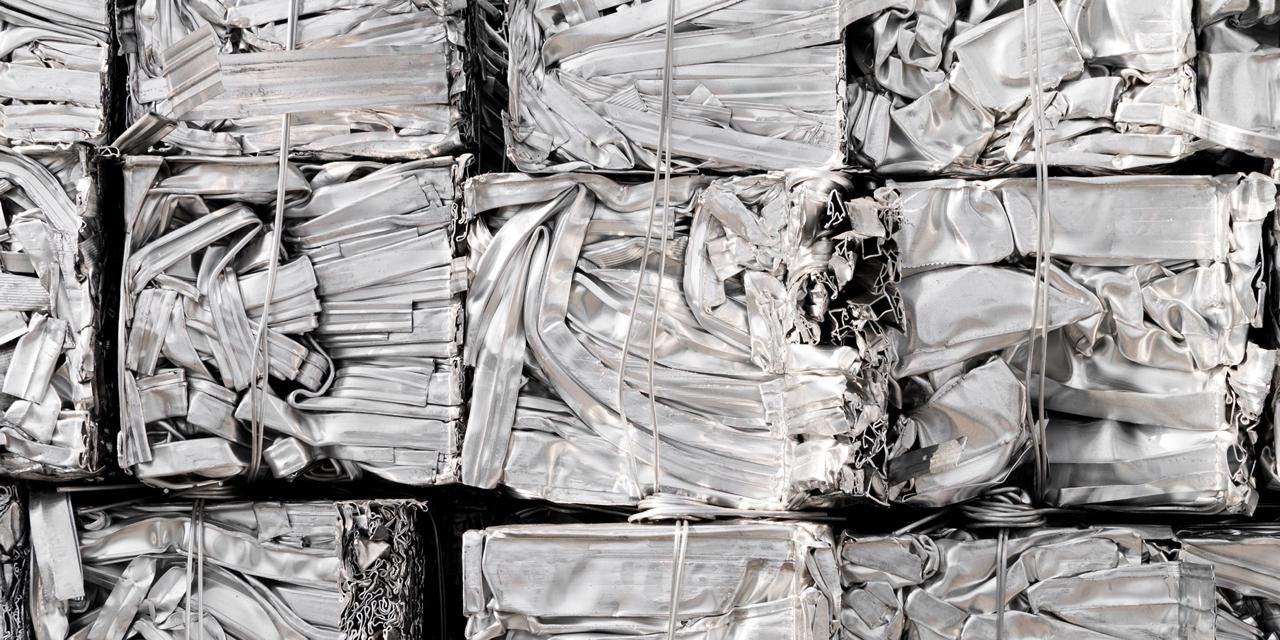
A tonne-level aluminium load gives buyers more to work with, but volume alone does not guarantee strong value. Buyers will still look at material type, contamination, handling requirements and transport. Clean bulk extrusion scrap may be viewed very differently from a mixed aluminium load with uncertain composition.
For sellers with larger quantities, the quality of the WasteTrade listing is especially important. State the estimated tonnage, whether the volume is one-off or ongoing, how the material is packaged, whether loading equipment is available, and whether there are any restrictions around access or collection times. These details help buyers calculate the real cost of taking the material.
Aluminium scrap price per tonne is not only a metal price. It is a delivered commercial calculation. Buyers are thinking about purchase cost, haulage, processing, yield and resale or reuse potential. WasteTrade gives sellers a way to present the full picture and gives buyers the information needed to make a serious offer.
Aluminium Can Scrap Price
Aluminium canscrap price is a related search, but it should be treated separately from wider aluminium scrap pricing. Aluminium cans have their own recycling pattern, buyer expectations and quality issues. Loose, contaminated cans may be priced differently from clean, dry, baled aluminium cans available in larger volume.
For businesses producing aluminium can waste, the main price factors are volume, cleanliness, moisture, contamination, baling, storage, location and buyer demand. Hospitality groups, venues, events companies, facilities managers, universities, councils and waste companies may all generate can volumes that could be commercially interesting if handled properly.
This page deals with aluminium recycling prices overall, but aluminium cans deserve their own focused content. WasteTrade customers with can material should list the material clearly and include whether the cans are loose or baled, whether they are dry, whether there is food or liquid contamination, and whether the supply is recurring.
For more detail on the can-specific process and market, customers should use WasteTrade’s aluminium can recycling page. For price-led enquiries, the key point remains the same: prepare the material properly, state the volume and location clearly, and make it available to verified buyers through WasteTrade.
How to Get the Best Price for Aluminium Scrap
The best price for aluminium scrap usually comes from reducing buyer uncertainty and widening the route to market. Sellers cannot control every market condition, but they can improve how their material is prepared and presented.
Start with separation. Aluminium should be kept apart from general waste and, where practical, separated from other metals. Mixed loads can still have value, but clean streams are easier to assess and often easier to sell.
Next, reduce contamination.Plastic, rubber, food residue, moisture, steel, glass, wood and other non-aluminium materials can reduce value or increase processing cost. If contamination is present, be honest about it in the listing. Buyers would rather know upfront than discover problems later.
Then, provide clear information. A strong WasteTrade listing should include the aluminium type, estimated weight, location, packaging or storage format, collection access, photos and whether the material is one-off or recurring. For ongoing streams, mention frequency and approximate volume.
Finally, avoid relying on a single buyer where there may be wider demand. WasteTrade allows aluminium scrap sellers to reach verified buyers through a structured marketplace. This can help sellers compare interest and find a better commercial route for the material.
Getting the best price is not about chasing an unrealistic number. It is about presenting the material properly, reaching suitable buyers and making the transaction easier to complete.
Sell Aluminium Scrap for Recycling
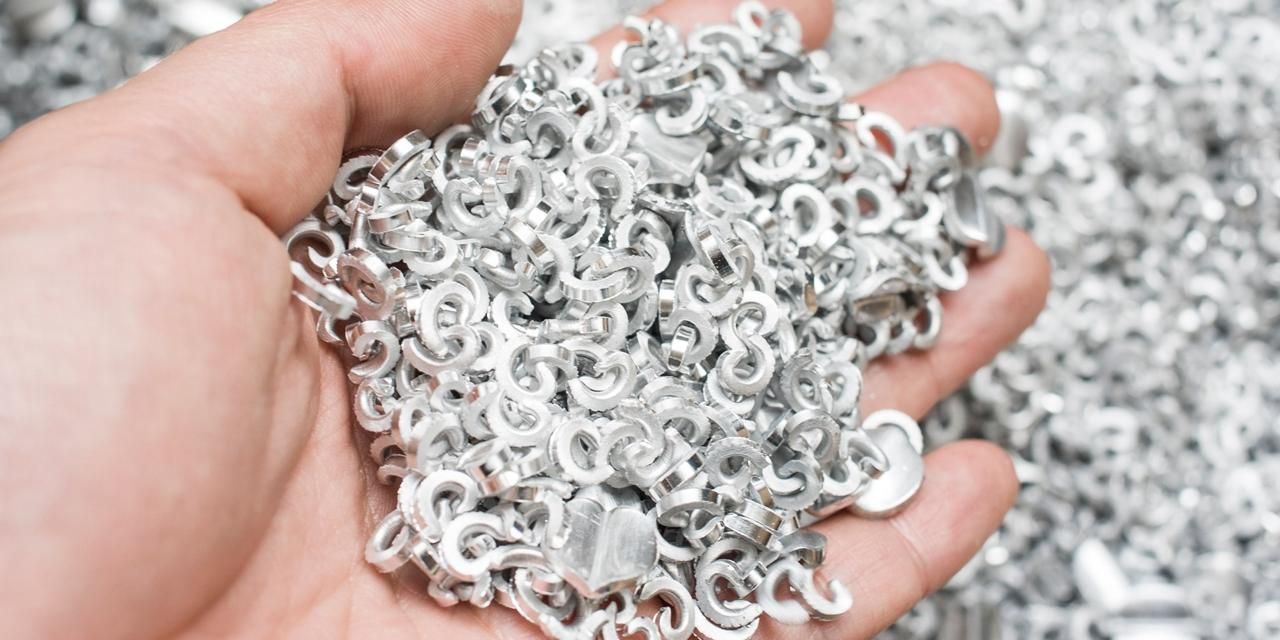
WasteTrade gives businesses a direct route to sellaluminium scrap for recycling. This is the most important commercial action for sellers landing on a price page.
The process begins with creating an account and listing the aluminium material. The seller adds the material details, location, quantity, availability and photos. Verified buyers can then review the listing and express interest or bid where appropriate. WasteTrade supports the wider transaction with logistics coordination, compliance support and payment assistance.
This approach is useful because aluminium recycling prices are not the same everywhere. A seller may receive one figure from a local contact and a different level of interest from a buyer with different processing requirements or stronger demand. WasteTrade helps sellers expose the material to a wider market of verified buyers.
Selling aluminium scrap for recycling is particularly relevant for manufacturers,waste management companies, construction firms, demolition contractors, engineering businesses, packaging operations and any company producing regular aluminium waste. If the material has volume, quality and clear information behind it, it should be listed as a commercial opportunity rather than treated as a disposal issue.
Aluminium Recycling Market Demand
Aluminium recycling market demand is supported by both economics and sustainability. Aluminium is used widely across packaging, construction, transport, manufacturing, electrical goods and engineering. Recycled aluminium can reduce reliance on primary material and support circular material sourcing.
Demand does not mean every aluminium scrap load will achieve the same price. Buyers still need the right material in the right form, quantity and location. A recycler looking for clean production scrap may not want mixed post-consumer aluminium. A trader looking for bulk non-ferrous material may assess a load differently from a manufacturer needing consistent feedstock.
This is why WasteTrade is commercially useful. The platform helps match material to buyer interest. Sellers can make aluminium scrap visible to verified buyers. Buyers can search for available recycled aluminium or create wanted listings. Both sides benefit from clearer information and a more structured route to trade.
Market demand is strongest when the material is easy to understand and practical to move. Aluminium scrap with clear details, good photos and honest quality information has a better chance of being assessed seriously. WasteTrade helps turn that demand into actual trading opportunities.
Aluminium Recycling Prices FAQs
What affects aluminium recycling prices?
Aluminium recycling prices are affected by grade, cleanliness, contamination, volume, location, transport cost, buyer demand, processing cost and wider aluminium market conditions.
Is there a fixed aluminium scrap price?
No. There is no single fixed aluminium scrap price for every load. The value depends on the specific material, where it is, how it is prepared and what buyers need at the time.
Is aluminium scrap priced per kg or per tonne?
Both can be used. Smaller quantities are often discussed per kg, while commercial and bulk aluminium scrap is commonly assessed per tonne. WasteTrade sellers should include accurate weight estimates so buyers can price the material properly.
How can I improve aluminium scrap value?
Separate aluminium from other materials, keep it clean, reduce contamination, sort it by type where possible, provide clear photos, state the location and list it through WasteTrade so verified buyers can assess it.
Can I sell aluminium scrap on WasteTrade?
Yes. Businesses can list aluminium scrap on WasteTrade for verified buyers to review. The stronger the listing information, the easier it is for buyers to make a serious assessment.
Can buyers source recycled aluminium on WasteTrade?
Yes. Buyers can browse aluminium listings or create wanted listings for the recycled aluminium grades, quantities and locations they need.
Why do aluminium scrap prices change?
Aluminium scrap prices change because of market demand, global aluminium conditions, currency movement, energy costs, transport costs, supply availability, buyer requirements and material quality.
Check Aluminium Scrap Demand on WasteTrade
If your business wants to understand aluminium recycling prices, the most useful next step is to test real buyer demand.
List your aluminium scrap on WasteTrade, include clear material details and make it visible to verified buyers. Buyers can also browse available recycled aluminium listings or create wanted listings for specific requirements.
WasteTrade helps businesses move beyond rough aluminium scrap price estimates and into real commercial conversations with verified buyers and sellers.


